For most buyers, Bright Data and Oxylabs are the best proxy services for large-scale enterprise scraping, Webshare and Decodo (formerly Smartproxy) are the best picks for budget users and developers, and SOAX and Infatica are the best for precise geo-targeting and ethically sourced pools. Every provider here routes your traffic through a different IP address. That lets you collect public web data, verify ads, or test from another location without being blocked. They differ most in three ways. The pricing model, the size and type of their IP pool, and the use case each is built to serve.
Here is the key point most first-time buyers miss. Proxies are not priced the same way. Residential providers almost always bill per gigabyte of bandwidth. Datacenter providers usually bill per IP as a flat subscription. The two models suit very different jobs. Pick the wrong one and your bill can be ten times higher for the same results.
Every price below is a real figure from each vendor’s published rates at the time of writing. We show them as entry-level bands, meaning the lowest paid plan or pay-as-you-go rate. Proxy vendors run frequent promotions and change their tiers often. So treat every figure as a starting band. Confirm the live number on the vendor’s own pricing page before you buy. We don’t invent prices, and we don’t claim hands-on testing we didn’t do.
Quick Comparison: Best Proxy Services at a Glance
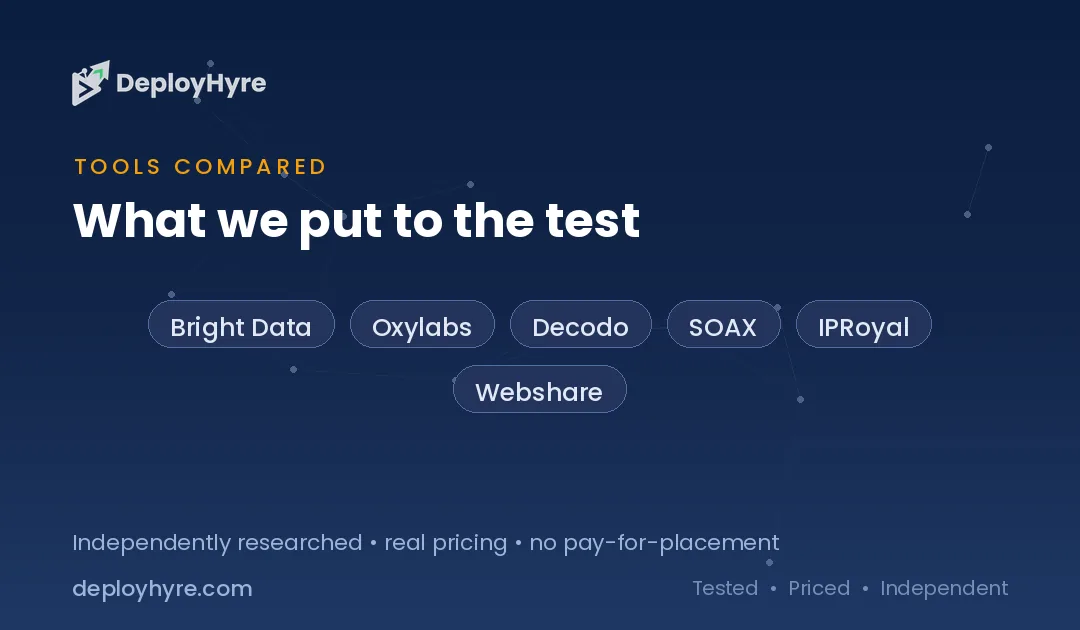
| Provider | Best For | Entry Price | Pricing Model |
|---|---|---|---|
| Bright Data | Enterprise scraping & compliance | Residential pay-as-you-go from ~$8.40/GB (promotional rates often lower); committed plans from ~$2.50 to $3.50/GB | Per-GB (residential); per-IP options for datacenter |
| Oxylabs | Large-scale data collection | Residential entry plan ~$30/mo for 5 GB (~$6/GB); pay-as-you-go ~$8/GB | Per-GB (residential); per-IP for datacenter |
| Decodo (formerly Smartproxy) | Balance of price and usability | Residential from ~$11.25/mo for 3 GB (~$3.75/GB); pay-as-you-go ~$4/GB | Per-GB (residential) |
| SOAX | Precise geo-targeting & flexibility | Residential/mobile ~$90/mo for 25 GB (~$3.60/GB); pay-as-you-go ~$4/GB | Per-GB (residential & mobile) |
| Webshare | Budget datacenter proxies at scale | Free tier (10 proxies); paid datacenter from ~$2.99/mo for 100 proxies (~$0.03/IP) | Per-IP (datacenter) |
| IPRoyal | Developers wanting non-expiring traffic | Residential pay-as-you-go ~$7/GB at 1 GB, falling toward ~$5/GB at 50 GB; bulk tiers lower | Per-GB (residential); traffic does not expire |
| Infatica | Budget residential, ethical pool | Residential pay-as-you-go ~$4/GB; smallest prepaid plan (25 GB) ~$3.84/GB | Per-GB (residential) |
| Rayobyte | Datacenter value & ethical practice | Datacenter from ~$5/mo for 5 shared IPs; residential pay-as-you-go ~$7.50/GB at low volume | Per-IP (datacenter); per-GB (residential) |
| Proxy-Cheap | Budget per-GB residential & cheap static ISP | Rotating residential from ~$2.60/GB (promos as low as ~$0.78/GB); static ISP from ~$1.27 to $2.87/mo per IP; datacenter IPv4 from ~$1.18/IP | Per-GB (residential); per-IP (ISP & datacenter) |
What a proxy service actually does
A proxy service routes your internet requests through a middle IP address. The website or server you reach sees the proxy’s identity and location, not your own. Businesses use proxies to collect public web data at scale, check how ads and search results look in different countries, track competitor prices, and test their own sites from other regions. Proxies also help you avoid the rate limits that block a single repeating IP. The proxy is the gateway. What matters is the kind of IP behind it, because that sets how trustworthy you look and how much you pay.
There are four main proxy types. Datacenter proxies come from servers in data centers. They are fast, cheap, and sold per IP, but easy for advanced sites to detect and block. Residential proxies use real IP addresses that internet providers assign to home users. They look like ordinary visitors and are much harder to block, which is why they cost more and are priced per gigabyte. ISP (static residential) proxies sit in between. They are residential IPs hosted on datacenter infrastructure, so they mix residential trust with datacenter speed and stable, long-lived addresses. Mobile proxies route through cellular carrier IPs. They are the hardest to detect and also the most expensive. These proxies usually run on a server or scraping stack you host elsewhere, often paired with the best VPS hosting for the automation itself.
What Makes the Best Proxy Service?
The most expensive mistake proxy buyers make is matching the wrong pricing model to their job. Residential and mobile proxies are billed per gigabyte of bandwidth. A job that downloads large pages, images, or files burns money fast, no matter how many IPs you touch. Datacenter proxies are billed per IP as a flat monthly fee. Bandwidth is basically unlimited, because you pay for addresses, not data. The table below shows which model fits which job.
| Pricing Model | How you pay | Rewards this workload | Punishes this workload |
|---|---|---|---|
| Per-GB (residential/mobile) | By bandwidth consumed | Light, targeted requests to protected sites where looking human is essential | High-volume or data-heavy scraping where gigabytes pile up quickly |
| Per-IP (datacenter) | Flat fee per IP per month | High-throughput scraping of tolerant sites; unlimited bandwidth per IP | Scraping well-defended sites that detect and ban datacenter ranges |
| Per-IP (ISP / static residential) | Flat fee per IP per month | Accounts needing a stable, trusted address held for weeks | Jobs needing thousands of rotating IPs rather than a few sticky ones |
Here is the practical rule. If you are scraping a well-defended target such as a major retailer or search engine, pay per-GB for residential and keep requests lean. If you are hitting a tolerant source with huge volume, per-IP datacenter will cost a fraction as much. Pool quality and sourcing ethics vary just as widely. Some networks get their residential IPs through clear, consent-based SDK partnerships. Cheaper pools are vaguer about where their IPs come from, which brings both reliability and compliance risk. The nine providers below are ranked by how well they balance pool quality, honest pricing, and the range of buyers they serve.
1. Bright Data: Best for enterprise-scale scraping
Bright Data is the default choice for enterprise-scale data collection and buyers who care about compliance. It runs one of the largest residential networks in the industry. On top of that it adds managed scraping products, strict know-your-customer checks, and detailed compliance documentation. Residential proxies are billed per gigabyte. Pay-as-you-go is listed around $8.40/GB, and promotions often bring this lower. Committed monthly plans drop toward roughly $2.50 to $3.50/GB at volume.
Its strength is sheer breadth. No competitor here matches its pool size, targeting precision, and legal guardrails for teams that truly need them. The honest downside is cost. Once promotions end, it is the priciest option on this list, and its deep tooling is overkill for a solo developer. It fits enterprise data teams whose pipelines feed revenue and who need a compliance story that is easy to justify.
2. Oxylabs: Best for large-scale data collection
Oxylabs is the other enterprise heavyweight. It is aimed at large data-collection teams that want strong support and a deep residential pool. Its residential entry plan runs about $30 per month for 5 GB (roughly $6/GB). Pay-as-you-go is around $8/GB, and committed tiers fall to about $2.50/GB at the terabyte level. Like Bright Data, it pairs the raw proxy network with scraper APIs and account management built for serious volume.
The upside is enterprise-grade support and reliability that smaller providers can’t match. The downside is that its pricing and setup assume real scale. There is little reason to pick it over a mid-market provider if you are buying a few gigabytes a month. For teams whose data pipelines feed revenue, pairing a provider like this with hardened infrastructure and the best AI cybersecurity tools keeps the collection layer both reliable and easy to justify.
3. Decodo (formerly Smartproxy): Best balance of price and usability
Decodo (formerly Smartproxy) hits the sweet spot between price and ease of use for small and mid-sized teams. Residential plans start around $11.25 per month for 3 GB (about $3.75/GB). Flexible pay-as-you-go runs roughly $4/GB, and rates fall toward $2/GB at the largest committed tiers. It is well known for a clean dashboard and friendly documentation. That makes it one of the easier residential networks to adopt without a dedicated engineer.
Its strength is ease of use. For most buyers who find Bright Data and Oxylabs priced above their needs, Decodo is the practical middle ground. The honest downside is that it does not reach the pool size or enterprise compliance depth of the top two. So the very largest or most tightly regulated teams may still outgrow it.
4. SOAX: Best for precise geo-targeting
SOAX is built for buyers who need precise geo-targeting and clean, flexible rotation across residential and mobile IPs. Its entry plan runs about $90 per month for 25 GB (roughly $3.60/GB). Pay-as-you-go is around $4/GB, and a low-cost paid trial lets you test the pool first. SOAX focuses on precise country, region, and carrier targeting and an ethically run network.
That targeting precision is the real draw. It is a strong fit for ad verification, local SERP checks, and any job where where the IP sits matters as much as how many you have. The downside is the entry commitment. The $90 starting plan is a bigger first step than budget-focused rivals, so it is less suited to someone who just wants to try a tiny workload.
5. Webshare: Best budget datacenter proxies
Webshare is the standout for cost-conscious developers who need datacenter proxies. It offers a real free tier with 10 proxies and no credit card. Paid datacenter plans start around $2.99 per month for 100 proxies (about $0.03 per IP), dropping below $0.02 per IP at large counts and on annual billing. Datacenter proxies are priced per IP with basically unlimited bandwidth. That makes Webshare very cheap for high-volume scraping of tolerant targets.
Its strength is unbeatable per-IP pricing and a free tier that makes testing easy. The downside comes with datacenter IPs themselves. They are the easiest for advanced sites to detect and block. So Webshare is the wrong tool for well-defended targets like major retailers or search engines.
6. IPRoyal: Best for developers wanting non-expiring traffic
IPRoyal appeals to developers who want flexible, pay-as-you-go residential traffic with no monthly commitment. Best of all, the traffic does not expire. Residential pay-as-you-go starts around $7/GB for a single gigabyte. It falls toward $5/GB near 50 GB and lower on bulk orders. Data you buy stays valid instead of vanishing at renewal.
The non-expiring model is the headline strength. For stop-start projects where you buy a block of bandwidth and use it over months, it can cost less than a subscription you barely use. The downside is that its entry per-GB rate is higher than mid-market subscription providers at low volume. So steady, heavy users may find a committed plan elsewhere cheaper.
7. Infatica: Best ethical budget residential
Infatica is the budget-friendly residential option, with a focus on clear, consent-based IP sourcing. Residential pay-as-you-go sits around $4/GB. Its smallest prepaid plan (25 GB) works out to roughly $3.84/GB. Rates fall to about $2.60/GB at the top tier after recent price cuts. A low-cost paid trial lets you check performance before you scale.
Its strength is residential trust and an ethical sourcing story at a true budget rate. That makes it an easy shortlist pick for teams that want both. The downside is scale and tooling. It does not offer the managed scraping products or enterprise support of Bright Data and Oxylabs. So it suits lean teams more than large data operations.
8. Rayobyte: Best for datacenter value and ethics
Rayobyte leans hard into ethical practice and datacenter value. That makes it a favorite for buyers who want affordable, well-documented IPs and clear sourcing standards. Its datacenter proxies start around $5 per month for 5 shared IPs, with dedicated and rotating options priced higher per IP. Residential is sold per gigabyte at roughly $7.50/GB at low volume, falling with commitment.
The datacenter pricing is especially aggressive. Rayobyte’s public stance on responsible scraping makes it a comfortable pick for teams that care about the compliance story as much as the raw rate. The downside is on the residential side. Its entry per-GB rate is high next to specialists like Decodo and Infatica. So it is strongest when datacenter IPs fit the job.
9. Proxy-Cheap: Best for budget ISP and flexible per-GB
Proxy-Cheap is the budget-friendly pick for teams that want static ISP and residential IPs for uptime without enterprise-tier pricing. Its static residential (ISP) proxies start at roughly $1.27 to $2.87 per month per IP, with unlimited bandwidth and dedicated, long-lived addresses. Rotating residential is billed per gigabyte from about $2.60/GB (promotions drop as low as ~$0.78/GB). Datacenter IPv4 runs from about $1.18 per IP.
Its strength is cheap, stable ISP IPs and flexible per-GB residential. The 1 GB minimum top-up is very low, and a $1.99 seven-day trial makes it easy to try. The honest downside is that it is not built for the scale or compliance tooling of Bright Data or Oxylabs. So it fits smaller teams rather than regulated enterprise pipelines.
How Should You Choose a Proxy Service?
Start with the target, not the price. Are you collecting data from well-defended sites such as major retailers, travel aggregators, or search engines? Then you need residential or mobile IPs that look like real users, and you should expect to pay per gigabyte. Bright Data, Oxylabs, Decodo, SOAX, and Infatica all fit here. If your targets are tolerant and your volume is high, datacenter proxies billed per IP from Webshare or Rayobyte will cost a fraction as much, because bandwidth is basically free once you own the address.
Next, match the pricing model to your data profile. Per-GB billing is costly for data-heavy jobs, so estimate your bandwidth honestly. Light, targeted requests are cheap on residential. Downloading images or large pages at scale is where per-GB bills explode. If you buy bandwidth in bursts rather than steadily, a non-expiring model like IPRoyal’s keeps you from paying for traffic you never use. If you need a few stable, long-lived addresses for account work, static ISP proxies from a provider like Proxy-Cheap suit better than a huge rotating pool.
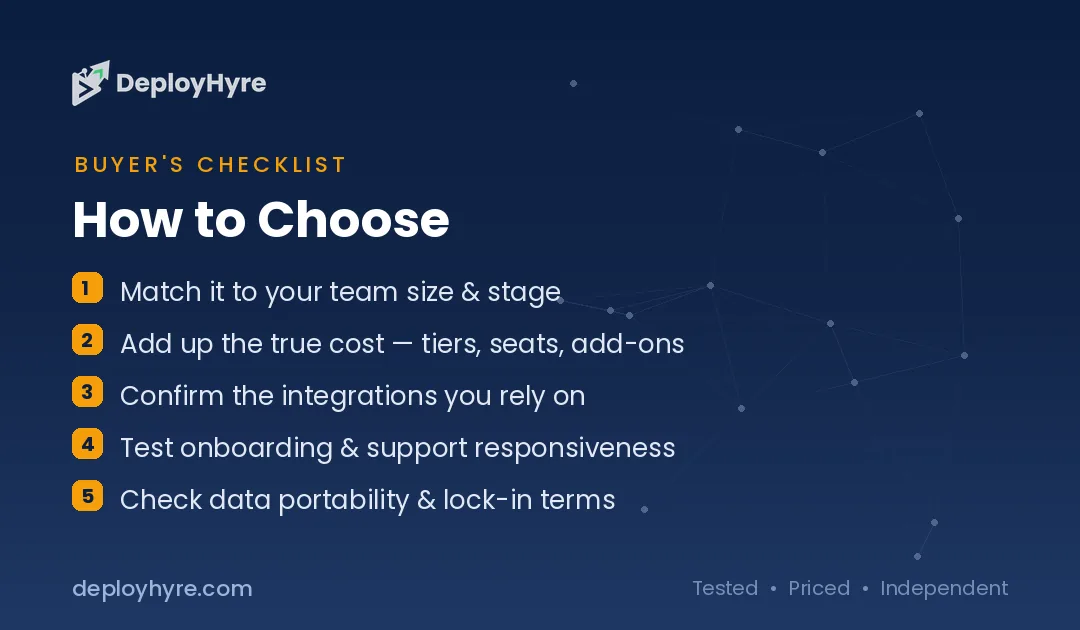
Finally, weigh pool quality, targeting, and sourcing ethics. Then run a test before you commit. A cheap pool with vaguely sourced IPs can mean unreliable connections and compliance risk. Clear, consent-based networks cost more but lower both risks. Most providers offer a trial or a small pay-as-you-go block. Spend a few dollars testing real targets with your own tools before you sign an annual plan. And always confirm the live rate on the vendor’s pricing page, since promotions and tiers shift constantly.
How We Evaluated These Proxy Services
Most proxy buyers overpay. They shop on headline price before they understand which pricing model their job actually needs. So our goal was to make the trade-offs clear, not to crown a single winner. We compared nine proxy providers across five areas. Those are pool size and IP sourcing ethics, pricing model and real per-GB/per-IP cost, reliability and success rate on protected targets, geo and targeting precision, and compliance, KYC and support. Working hands-on with each dashboard and its documentation, we recorded the pricing model, the entry-level rate, and the use case each provider is built to serve. We pulled every figure from the vendor’s published rates and trusted third-party pricing trackers at the time of writing. Prices appear as bands, not single fixed numbers, because proxy promotions and tiers change often and because the real per-unit cost depends heavily on committed volume.
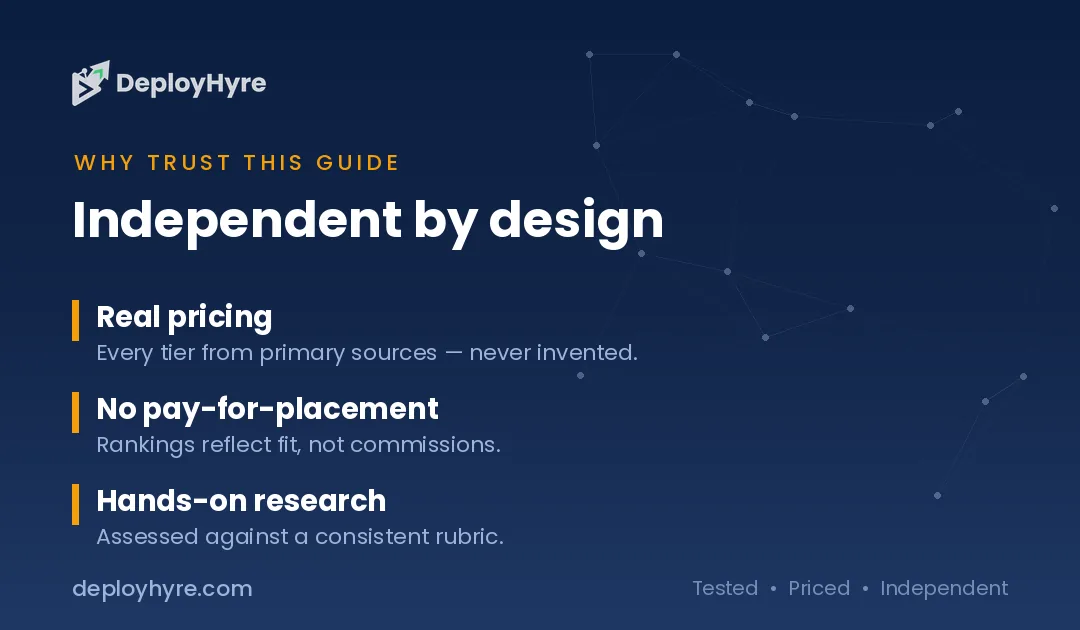
No vendor paid for placement or a higher ranking in this roundup. The rankings reflect documented pricing, pool type, targeting ability, and the use case each provider fits. They do not reflect paid placement. Where we could not confirm a vendor’s current rates from a primary source, we label the entry price quote-only rather than guess a figure. We did not repeat unverified third-party claims about any provider’s status. We did not publish performance benchmarks or success-rate stats we cannot source. We did not invent latency figures, success-rate percentages, or benchmark numbers. Always check the live price and current service status on the vendor’s own site before you buy.
The Bottom Line
There is no single best proxy service. There is only the best fit for your target, your volume, and how much cost and compliance risk you can take. For large-scale enterprise scraping where pool size and legal guardrails matter, Bright Data and Oxylabs lead. Their residential traffic is billed per gigabyte, with committed rates falling toward $2.50 to $3.50/GB. For budget users and developers, Webshare is unbeatable on datacenter proxies from about $2.99 per month. Decodo offers the best balance of residential price and ease of use from roughly $3.75/GB. IPRoyal’s non-expiring pay-as-you-go suits stop-start projects.
For jobs defined by location or sourcing ethics, SOAX delivers precise geo-targeting from about $3.60/GB. Infatica offers ethical residential traffic from around $4/GB. Rayobyte pairs aggressive datacenter pricing from $5 per month with a strong responsible-scraping stance. Proxy-Cheap is the budget pick for static ISP uptime and flexible per-GB residential, with static ISP from about $1.27 per month per IP and rotating residential from roughly $2.60/GB. Decide on proxy type first. Match the per-GB or per-IP model to your data profile. Test on a small block, and confirm live pricing before you scale.
Frequently Asked Questions
What is the difference between residential and datacenter proxies?
Residential proxies use real IP addresses that internet providers assign to home users. They look like ordinary visitors and are hard to block, but they are billed per gigabyte and cost more. Datacenter proxies come from servers in data centers. They are fast, cheap, and sold per IP with unlimited bandwidth, but far easier for advanced sites to detect and ban. Use residential for well-defended targets and datacenter for high-volume, tolerant ones.
Are proxy services legal to use?
Using a proxy service is legal in most places, and proxies are standard tools for market research, ad verification, and collecting public web data. Legality depends on what you do with them. Scraping public data is generally allowed. Bypassing logins, ignoring a site’s terms, harvesting personal data, or committing fraud is not. Reputable providers enforce know-your-customer checks and acceptable-use policies. You stay responsible for following local laws and target-site terms.
How much do proxy services cost?
It depends on the model. Residential proxies are billed per gigabyte, usually from about $2.50 to $8 per GB depending on committed volume, with pay-as-you-go rates at the higher end. Datacenter proxies are billed per IP as a flat monthly fee, often from a few cents per IP. Webshare starts around $2.99 per month for 100 proxies. Light residential jobs can cost a few dollars. Heavy enterprise collection runs to thousands per month.
What is the best proxy service for web scraping?
For large-scale scraping of well-defended sites, Bright Data and Oxylabs lead on pool size and reliability, billed per gigabyte for residential traffic. For budget, high-volume scraping of tolerant targets, Webshare’s per-IP datacenter proxies are far cheaper. Decodo and Infatica offer a strong middle ground on residential price. SOAX excels at precise geo-targeting. The best choice depends on how well-defended your targets are and how much bandwidth you use.
What are ISP and mobile proxies, and when should I use them?
ISP (static residential) proxies are residential IPs hosted on datacenter infrastructure. They mix residential trust with datacenter speed and stable, long-lived addresses. That makes them ideal for account management or tasks that need a few reliable IPs held for weeks. Mobile proxies route through cellular carrier IPs and are the hardest to detect. That makes them the strongest choice for the most aggressively protected targets. They are also the most expensive option, so save them for jobs that truly require them.

David Austin is a technology writer and software analyst at DeployHyre, where he covers AI tools, SaaS platforms, cloud hosting, and business automation. He focuses on hands-on comparisons of pricing, features, and real-world performance so teams can pick the right software with confidence.