Table of Contents
The best ZTNA platform for most teams is Cloudflare Zero Trust for the fastest deployment and a generous free tier, Zscaler ZPA for enterprise cloud-first estates, and Palo Alto Prisma Access for existing Palo Alto shops. Zero Trust Network Access replaces the VPN: instead of granting a connected user access to your whole network, it verifies identity and device for every request and grants access only to the specific application needed, so a compromised credential cannot roam.
The pricing reality: the base is cheap, but ZTNA is really part of SASE, and the modules stack. Headline ZTNA runs roughly $7 to $22 per user a month, but DLP, CASB, and browser-isolation modules add to that base, and enterprise deals are quote-based (Palo Alto publishes no per-user price at all). Cloudflare’s free-for-up-to-50-users tier is the fastest on-ramp. Understanding that the sticker is a base you build modules onto, not the final bill, is the key to budgeting ZTNA accurately.
Every price below is a recent observed figure. Because enterprise SASE deals are quote-based, treat each as a band.
Quick Comparison: ZTNA Platforms at a Glance
| Platform | Best For | Observed Price | Note |
|---|---|---|---|
| Cloudflare Zero Trust | Fastest deployment, free start | Free up to 50 users; $7/user/mo beyond | Generous free tier |
| Zscaler ZPA | Enterprise cloud-first | ~$8–$25/user/mo (bundled with ZIA) | Market leader |
| Palo Alto Prisma Access | Existing Palo Alto shops | ~$12–$22/user/mo (quote only) | No published per-user price |
| Netskope | Data-centric SSE | ~$15–$25/user/mo (SSE bundles) | Strong CASB/DLP |
| Cisco Secure Access | Cisco-centric estates | Quote | Duo + Secure Access |
| Twingate | SMB, developer-friendly | Accessible per-user tiers | Fast, lightweight |
What ZTNA Does (and Why It Replaces the VPN)
A traditional VPN grants a connected user broad access to the internal network, so if an attacker steals a VPN credential, they can move laterally to everything. ZTNA flips the model: it grants no implicit trust based on network location, and instead verifies identity and device posture on every request, granting access only to the specific application a user is authorized for, nothing else. The user never touches the network, only the app, so a compromised account cannot roam and internal resources stay invisible to attackers.
The AI and policy layer adds continuous, adaptive verification: it evaluates risk signals (unusual location, device health, behavior) in real time and can step up authentication or block access when something looks wrong, rather than trusting a session indefinitely. This continuous evaluation is the “never trust, always verify” principle in practice, and it is why ZTNA became the modern replacement for VPNs as workforces went remote and applications moved to the cloud.
ZTNA is a cornerstone of zero-trust security and a core SASE component. It complements the identity focus in our best AI identity security tools guide, the network visibility in our best AI network monitoring tools guide, and the cloud posture in our best AI cloud security tools guide.
ZTNA Is Part of SASE, and the Modules Stack
ZTNA rarely stands alone; it is one module of Secure Access Service Edge (SASE), and the base per-user price is what you build additional modules onto. Headline ZTNA runs $7 to $22 per user a month, but the platforms that sell it, Zscaler, Netskope, Palo Alto, are really SASE vendors, and DLP (data loss prevention), CASB (cloud app security), secure web gateway, and browser isolation are separate modules that add to the base. A quote for “ZTNA” can quietly become a much larger SASE bill once you add the modules you actually need.
The practical consequence is to scope your full requirement before comparing per-user rates. If you only need application access (replacing a VPN), the base ZTNA price is your cost. If you need data protection, cloud-app control, and web filtering too, you are buying SASE, and the total is the base plus every module. Palo Alto Prisma Access publishes no per-user price at all, requiring a quote regardless of size, so competitive quotes are essential, and Cloudflare’s free-to-50-users tier lets you prove the ZTNA core before committing to a SASE platform.
Best for the Fastest Deployment
Cloudflare Zero Trust is the fastest path to a working ZTNA deployment, with a genuinely generous free tier (up to 50 users) and $7 per user a month beyond it, delivered on Cloudflare’s global network. Its self-service, pay-as-you-go model means a team can stand up zero-trust application access in hours rather than the months an enterprise SASE rollout takes, and the free-to-50-users tier lets small and mid-size organizations adopt real ZTNA at no cost. For teams that want to replace a VPN quickly without an enterprise procurement cycle, Cloudflare is the standout on-ramp.
Twingate is the other fast, developer-friendly option, a lightweight ZTNA focused on simple, quick deployment for SMBs and engineering teams, with accessible per-user pricing. It appeals to teams that want VPN replacement without the weight of a full SASE platform. Both prioritize speed and simplicity; Cloudflare for its free tier and global network, Twingate for lightweight developer-friendly deployment. For most teams whose immediate need is replacing a VPN quickly, these are the pragmatic starting points, feeding the identity controls in our best AI identity security tools guide.
Best Enterprise Cloud-First ZTNA
Zscaler ZPA is the enterprise leader for cloud-first ZTNA, the most mature and widely-deployed platform, priced around $8 to $25 per user a month and typically bundled with Zscaler’s ZIA secure web gateway. For large, cloud-first organizations building a full zero-trust and SASE architecture, Zscaler’s scale, global cloud, and maturity make it the safe enterprise default, and its ZPA-plus-ZIA bundle covers both application access and web security. It is the choice when you are committing to zero trust as a strategic architecture across a large workforce, not just replacing a VPN.
Netskope is the strong data-centric alternative, distinguished by its CASB and DLP depth, favored where protecting data in cloud applications is as important as access control, priced around $15 to $25 per user a month for SSE bundles. It suits organizations whose zero-trust priority is data protection across cloud apps. Both are enterprise SASE leaders; Zscaler for cloud-first scale and maturity, Netskope for data-centric security. Budget for the full SASE stack, not just the ZTNA module, and pair with the cloud posture in our best AI cloud security tools guide.
Best for Existing Vendor Stacks
Palo Alto Prisma Access is the natural ZTNA choice for organizations already invested in Palo Alto Networks, integrating with their existing firewalls and security stack, priced around $12 to $22 per user a month but published only on quote. For Palo Alto shops, Prisma Access extends their security platform to remote access and SASE, keeping policy and management consistent with the rest of their Palo Alto estate. The trade-off is opaque pricing, no per-user rate is published regardless of company size, so you must get a custom quote, but the integration advantage for existing customers is real.
Cisco Secure Access plays the equivalent role for Cisco-centric organizations, combining Duo identity and Secure Access into a ZTNA and SASE offering that integrates with Cisco’s networking and security portfolio. Both are the pragmatic picks when you are already committed to that vendor’s ecosystem and want ZTNA that fits your existing stack rather than a new standalone platform. Choose Prisma Access for Palo Alto estates and Cisco Secure Access for Cisco ones, weighing the integration benefit against the standalone strengths of Zscaler, Cloudflare, or Netskope.
How Should You Choose a ZTNA Platform?
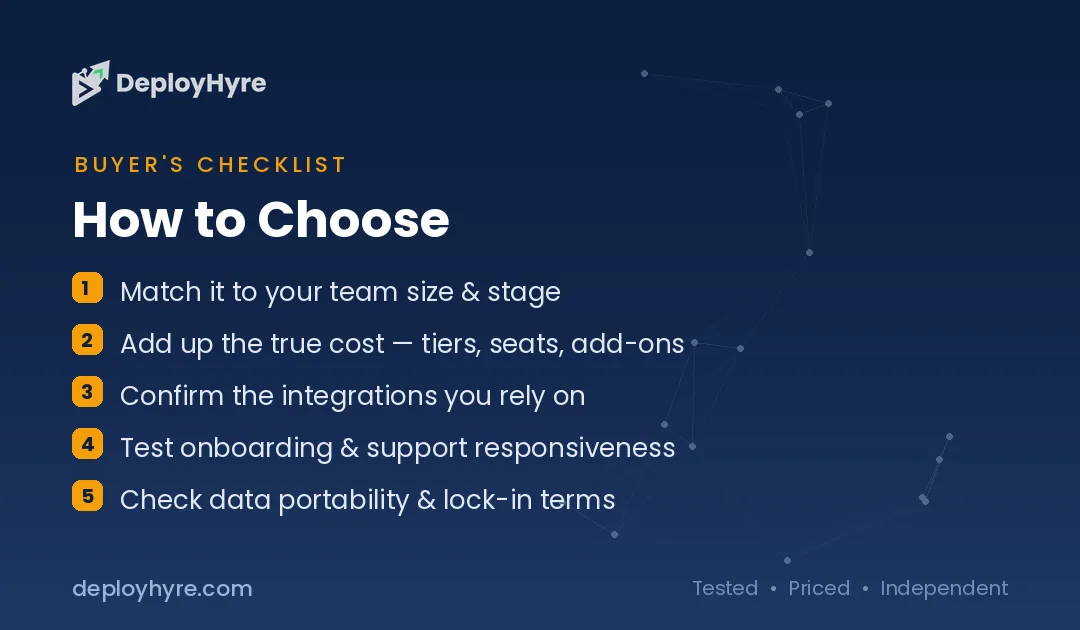
Scope your full requirement first, because ZTNA is usually part of SASE and the modules stack. If you only need VPN replacement (application access), the base per-user price is your cost, and Cloudflare or Twingate deliver it cheaply and fast. If you need DLP, CASB, and web filtering too, you are buying SASE, so compare full-stack totals, not the ZTNA base rate alone.
Then match the platform to your situation. Fastest deployment and a free start point to Cloudflare. Enterprise cloud-first scale points to Zscaler. Data-centric security points to Netskope. Existing Palo Alto or Cisco estates point to Prisma Access or Cisco Secure Access for integration. SMB simplicity points to Twingate.
Finally, get quotes and use free tiers, because enterprise SASE pricing is opaque (Palo Alto publishes nothing per-user). Cloudflare’s free-to-50-users tier lets you prove the ZTNA core before committing, and competitive quotes are essential for the enterprise platforms. Prove value on the base capability, then scope the modules you truly need before signing a multi-year SASE contract.
How We Evaluated These Platforms
We evaluated each platform on zero-trust access model, continuous verification, SASE module breadth (DLP, CASB, web gateway), deployment speed, ecosystem integration, and pricing transparency. Figures come from vendor pages and comparison sources. Because ZTNA is part of SASE and enterprise deals are quote-based, we present observed per-user bands and stress that modules stack onto the base. We accepted no payment for placement; rankings reflect fit for a stated use case.
The Bottom Line
Cloudflare Zero Trust is the fastest on-ramp with a free-to-50-users tier, Zscaler ZPA the enterprise cloud-first leader, and Palo Alto Prisma Access (or Cisco Secure Access) the pick for existing vendor stacks, with Netskope strong for data-centric security and Twingate for SMB simplicity. Scope whether you need just VPN replacement or full SASE first, because the base per-user price is what the DLP, CASB, and web-filtering modules stack onto, and enterprise pricing is quote-only.
Frequently Asked Questions
How much does ZTNA cost?
Headline ZTNA runs roughly $7 to $22 per user a month: Cloudflare from $7 (free up to 50 users), Zscaler ZPA $8 to $25, Palo Alto Prisma Access $12 to $22 (quote only), and Netskope $15 to $25 for SSE bundles. DLP, CASB, and browser-isolation modules add to the base, so the full SASE bill is usually higher than the ZTNA sticker.
What is the difference between ZTNA and a VPN?
A VPN grants a connected user broad access to the internal network, so a stolen credential can move laterally to everything. ZTNA grants no implicit network trust and verifies identity and device on every request, giving access only to the specific application authorized. The user never touches the network, so a compromised account cannot roam, which is why ZTNA is replacing VPNs.
What is the best ZTNA for a small business?
Cloudflare Zero Trust is the strongest choice, with a genuinely free tier for up to 50 users and $7 per user beyond, plus the fastest deployment. Twingate is another lightweight, developer-friendly option for SMBs. Both let small teams replace a VPN quickly without an enterprise procurement cycle.
Is ZTNA the same as SASE?
No. ZTNA is one component of SASE (Secure Access Service Edge), which also includes secure web gateway, CASB, DLP, and firewall-as-a-service. ZTNA handles zero-trust application access; the other SASE modules add data protection, cloud-app control, and web filtering. Most ZTNA vendors are SASE platforms, and the modules stack onto the ZTNA base price.
Why doesn’t Palo Alto publish ZTNA pricing?
Palo Alto Prisma Access is sold as part of its enterprise SASE platform, priced per deployment by users, modules, and features, so it requires a custom quote regardless of company size. This is common among enterprise SASE vendors, which is why competitive quotes and using free tiers like Cloudflare’s to benchmark are important.
Related Articles

David Austin is a technology writer and software analyst at DeployHyre, where he covers AI tools, SaaS platforms, cloud hosting, and business automation. He focuses on hands-on comparisons of pricing, features, and real-world performance so teams can pick the right software with confidence.