The best AI financial analysis software automates forecasting, variance detection, and reporting by linking your accounting, ERP, and CRM data into one live model.
For the full picture, see our complete guide to AI for finance.
Table of Contents
Finance teams now run on AI. A 2025 Cube survey of FP&A teams found 88 percent use AI for data analysis, and AI-driven forecasting has lifted accuracy by up to 35 percent at large companies. The market reflects that shift. Market.us values AI in FP&A at $240.6 million in 2024, rising to $4.77 billion by 2034 at a 34.8 percent compound annual growth rate.
The right platform turns messy spreadsheets into rolling forecasts, variance alerts, and plain-language reports in minutes. The wrong one adds cost and complexity your team never uses.
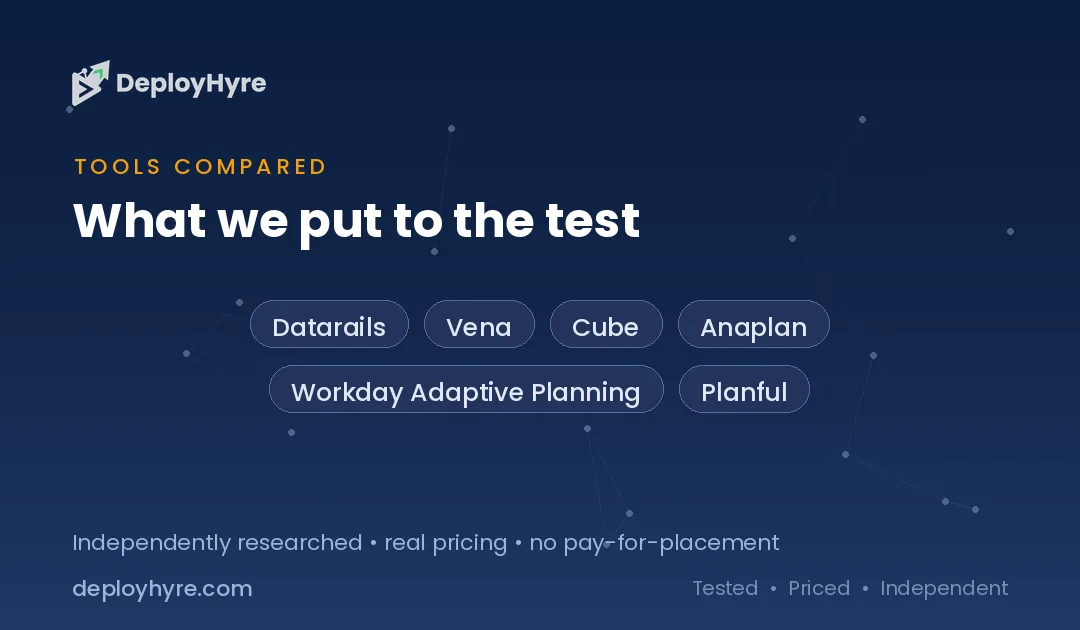
We compared 9 AI financial analysis platforms across pricing, forecasting depth, integrations, and ease of setup. We grouped them by who they fit: spreadsheet-first teams, large enterprises, and AI-native mid-market finance teams. If you also handle daily books, pair this with our guide to the best AI bookkeeping software.
Quick Comparison: Top AI Financial Analysis Software
| Tool | Best For | Starting Price | Standout AI Feature |
|---|---|---|---|
| Datarails | Excel-first SMB finance teams | Custom quote | FP&A Genius variance Q&A |
| Vena | Microsoft and Power BI shops | Custom quote | Vena Copilot on Azure OpenAI |
| Cube | Lean teams wanting fast setup | Custom quote | Spreadsheet-native forecasting |
| Anaplan | Large multi-team enterprises | $100,000+/yr | Connected planning at scale |
| Workday Adaptive Planning | Enterprises on Workday | Custom quote | Real-time operational planning |
| Planful | Big collaborative FP&A teams | Custom quote | Planful Predict insights |
| Pigment | Cross-functional planning | Custom quote | Agentic Analyst and Modeler |
| Abacum | Mid-market automation | Custom quote | Abacum Intelligence layer |
| Mosaic | Strategic forward-looking finance | Custom quote | Cross-system metric analytics |
What Is AI Financial Analysis Software?
AI financial analysis software automates forecasting, variance detection, and reporting by connecting your accounting, ERP, and CRM data into one model. It spots anomalies, predicts future results, and writes plain-language commentary, so finance teams spend less time gathering numbers and more time advising the business.
These platforms replace the manual copy-paste cycle that drains FP&A teams. Instead of rebuilding a model every month, the software syncs live data, flags the line items that moved, and drafts the narrative for your board deck. Many now ship agentic features that answer questions like “why did marketing spend jump” in seconds.
Best Spreadsheet-Native AI Financial Analysis Software
These tools layer AI on top of Excel or Google Sheets, so your team keeps its existing models and skills.
1 Datarails: Best for Excel-first SMB finance teams
Datarails brings AI forecasting and reporting into the spreadsheets finance teams already use.
What it does well. Datarails keeps every model in Excel while syncing actuals from your accounting system automatically. Its FP&A Genius assistant answers plain-language questions about variances and trends, then builds reports without manual refreshes.
Key features:
- FP&A Genius AI chat for variance and trend questions
- Automated consolidation across entities and currencies
- Live dashboards built from Excel models
- Audit trail back to source transactions
Pricing. Datarails uses custom quotes and does not publish prices. Plans target small and mid-sized finance teams.
Best for: SMB teams that want AI without leaving Excel.
Limitations. No public pricing makes budgeting harder. Heavy enterprise modeling sits outside its focus.
2 Vena: Best for Microsoft and Power BI shops
Vena is a complete planning platform built around Excel and the Microsoft stack.
What it does well. Vena connects budgeting, forecasting, and reporting inside a familiar Excel interface. Vena Copilot, powered by Azure OpenAI, adds AI variance detection and automation to core planning tasks. Tight Power BI integration helps teams visualize results fast.
Key features:
- Vena Copilot AI assistant on Azure OpenAI
- Excel-native modeling with central database
- Power BI and Microsoft 365 integration
- Workflow approvals and audit controls
Pricing. Vena quotes custom pricing based on users and modules. It does not list public rates.
Best for: Teams standardized on Microsoft and Power BI.
Limitations. Setup is heavier than lighter spreadsheet tools. Pricing is not transparent.
3 Cube: Best for lean teams wanting fast setup
Cube syncs financial data straight to your spreadsheets and suggests forecasts from history.
What it does well. Cube populates spreadsheet models with projected values based on past trends, so lean teams skip manual forecasting. Deployment runs in weeks, not months, which suits finance teams without a dedicated admin.
Key features:
- Two-way sync with Excel and Google Sheets
- AI-suggested forecasts from historical data
- Pre-built templates for common reports
- Multi-source data consolidation
Pricing. Cube uses custom quotes. It positions itself below enterprise platforms on total cost.
Best for: Small FP&A teams that need speed.
Limitations. Less suited to very large, multi-entity enterprises. Advanced scenario modeling is lighter than enterprise rivals.
Best Enterprise AI Financial Analysis Platforms
These platforms handle large teams, many data sources, and complex models. They cost more and take longer to deploy. For broader data work beyond finance, see our roundup of the best AI data analytics tools.
4 Anaplan: Best for large multi-team enterprises
Anaplan is a connected planning platform that unites finance, sales, and operations in one model.
What it does well. Anaplan gives real-time access to data across departments, so plans stay aligned as inputs change. Its worksheets, board pages, and reports bring scattered FP&A tools under one roof for enterprise-scale planning.
Key features:
- Connected planning across departments
- Real-time scenario modeling at scale
- Predictive insights and optimization
- Large integration ecosystem
Pricing. Anaplan typically starts above $100,000 per year and often needs implementation consultants and dedicated admins, according to Aleph’s 2026 FP&A comparison.
Best for: Large enterprises with cross-functional planning needs.
Limitations. High cost and long setup. Overkill for small teams.
5 Workday Adaptive Planning: Best for enterprises on Workday
Workday Adaptive Planning delivers real-time financial and operational planning for large organizations.
What it does well. Adaptive Planning manages budgeting, forecasting, and workforce planning in one place. Native ties to Workday HR and finance data keep headcount and financial plans in sync.
Key features:
- Real-time financial and operational planning
- Workforce and headcount planning
- Built-in dashboards and reporting
- Native Workday data integration
Pricing. Workday quotes custom pricing by user count and modules. It does not publish rates.
Best for: Companies already running Workday.
Limitations. Best value comes only inside the Workday ecosystem. Custom pricing limits transparency.
6 Planful: Best for big collaborative FP&A teams
Planful suits larger companies that want many users planning together.
What it does well. Planful Predict adds intelligent insights, predictive analytics, error detection, and dynamic commentary to budgeting and forecasting. It scales to large FP&A teams that collaborate across the business.
Key features:
- Planful Predict for anomaly and error detection
- Structured budgeting and forecasting workflows
- Dynamic narrative commentary
- Consolidation and close management
Pricing. Planful uses custom quotes, generally in the mid-market enterprise range. It does not list public prices.
Best for: Large teams that plan collaboratively.
Limitations. More structure than lean teams need. Implementation takes time.
Best AI-Native Financial Analysis Software
These newer platforms were built around AI and modern data stacks, often with faster setup than legacy enterprise tools.
7 Pigment: Best for cross-functional planning
Pigment is an integrated planning platform powered by agentic AI for finance, RevOps, and people teams.
What it does well. Pigment ships individual AI agents, including Analyst and Modeler, plus machine-learning predictions. Flexible modeling and scenario planning let finance partner with sales and HR on one platform.
Key features:
- Agentic Analyst and Modeler assistants
- ML-based predictive forecasting
- Real-time scenario and sensitivity analysis
- Cross-functional planning models
Pricing. Pigment software generally falls in the $50,000 to $150,000 range, with mid-market deployments often $300,000 to $600,000 in total cost, per CFO Shortlist’s 2026 Pigment review.
Best for: Companies planning across finance, sales, and HR.
Limitations. Mid-market pricing is significant. Full value needs cross-team buy-in.
8 Abacum: Best for mid-market automation
Abacum is an AI-native FP&A platform built for mid-market finance teams.
What it does well. Abacum Intelligence runs as a unified AI layer across context, modeling, narrative, scenario, and workflow tasks. With more than 700 integrations, it automates data cleaning, plain-language modeling, and approvals.
Key features:
- Abacum Intelligence across five FP&A domains
- 700-plus data integrations
- Anomaly detection and data cleaning
- Workflow automation with Slack and chat tools
Pricing. Abacum does not list public pricing and quotes by team size and scope.
Best for: Mid-market teams that want automation without enterprise overhead.
Limitations. No public pricing. Newer than legacy enterprise platforms.
9 Mosaic: Best for strategic forward-looking finance
Mosaic is a strategic finance platform focused on forward-looking analytics.
What it does well. Mosaic integrates across business systems to deliver actionable analytics rather than backward-looking reports. Setup is straightforward, typically 3 to 6 weeks, which speeds time to value.
Key features:
- Cross-system metric and KPI analytics
- Forward-looking insights and benchmarks
- Pre-built financial dashboards
- Fast 3-to-6-week implementation
Pricing. Mosaic uses custom quotes and does not publish rates.
Best for: Teams that want strategic analytics fast.
Limitations. Lighter on deep multi-entity planning. Pricing is not transparent.
How Should You Choose AI Financial Analysis Software?
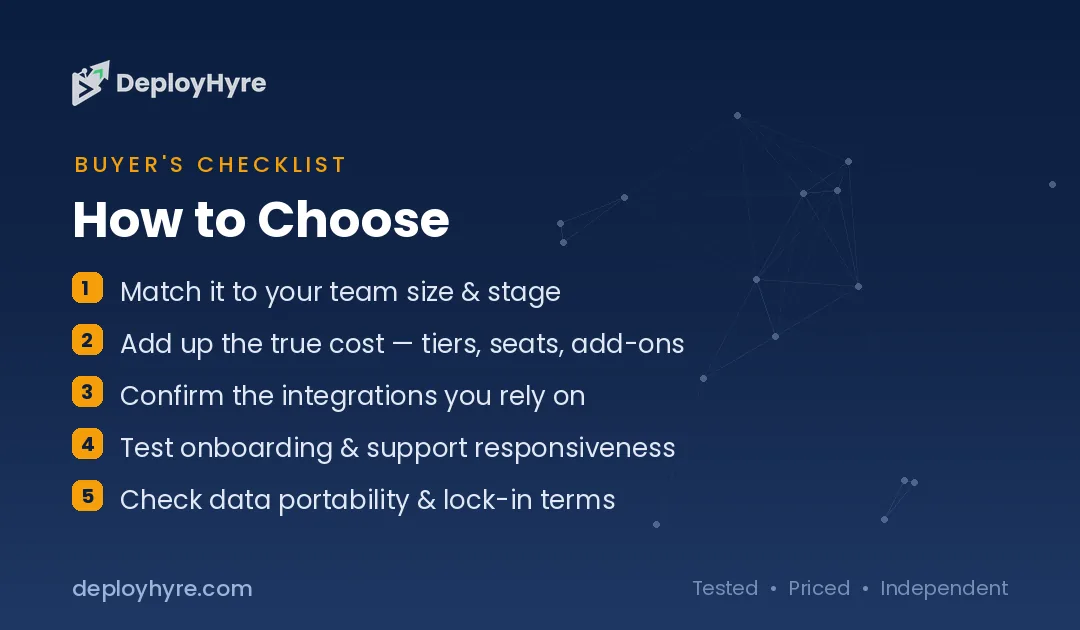
Choose based on team size, existing tools, and setup speed. Spreadsheet-first SMBs fit Datarails, Vena, or Cube. Large enterprises fit Anaplan, Workday Adaptive, or Planful. Mid-market teams wanting fast AI automation fit Pigment, Abacum, or Mosaic.
Start with your data sources. If your numbers live in QuickBooks or Xero and Excel, a spreadsheet-native tool will feel natural. If you run an ERP across many entities, an enterprise platform earns its cost.
Weigh setup time honestly. Enterprise rollouts can take months and need admins. AI-native and spreadsheet tools often deploy in weeks. Match that to your team’s capacity, since 92 percent of finance leaders expect double-digit productivity gains from AI only when adoption sticks.
Finally, test the AI on your own data. Ask it to explain a real variance. Strong tools answer clearly. Weak ones return vague summaries.
How We Evaluated These Tools
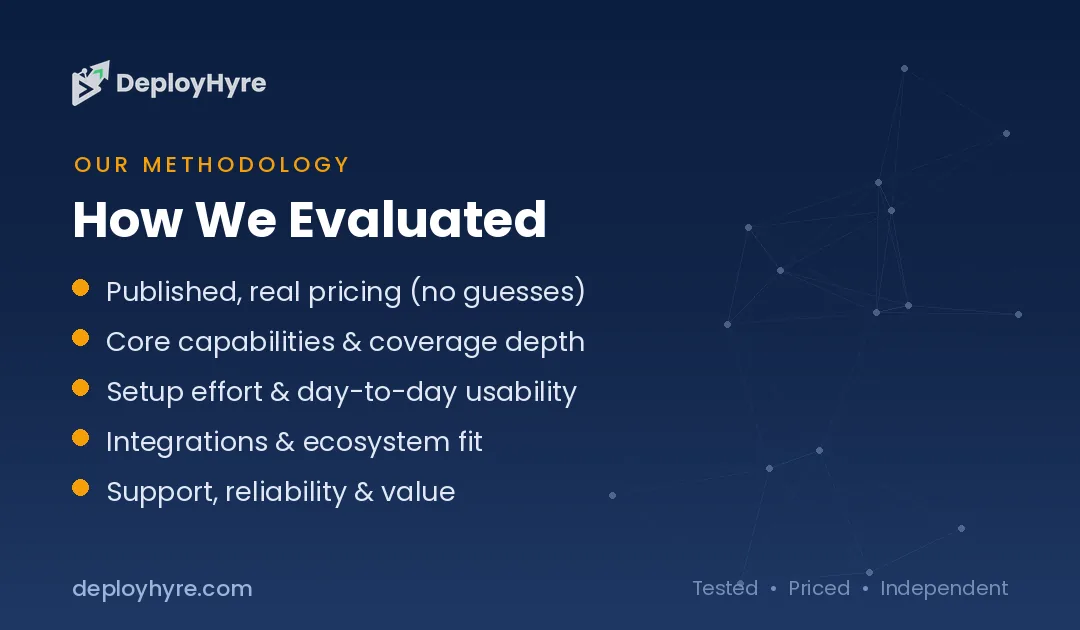
We assessed each platform on five factors: forecasting and variance depth, AI and agentic features, integrations, setup speed, and pricing transparency. We drew on vendor documentation, independent 2026 reviews from Cube, Aleph, and CFO Shortlist, and primary market data from Market.us and the EY 2025 FP&A report.
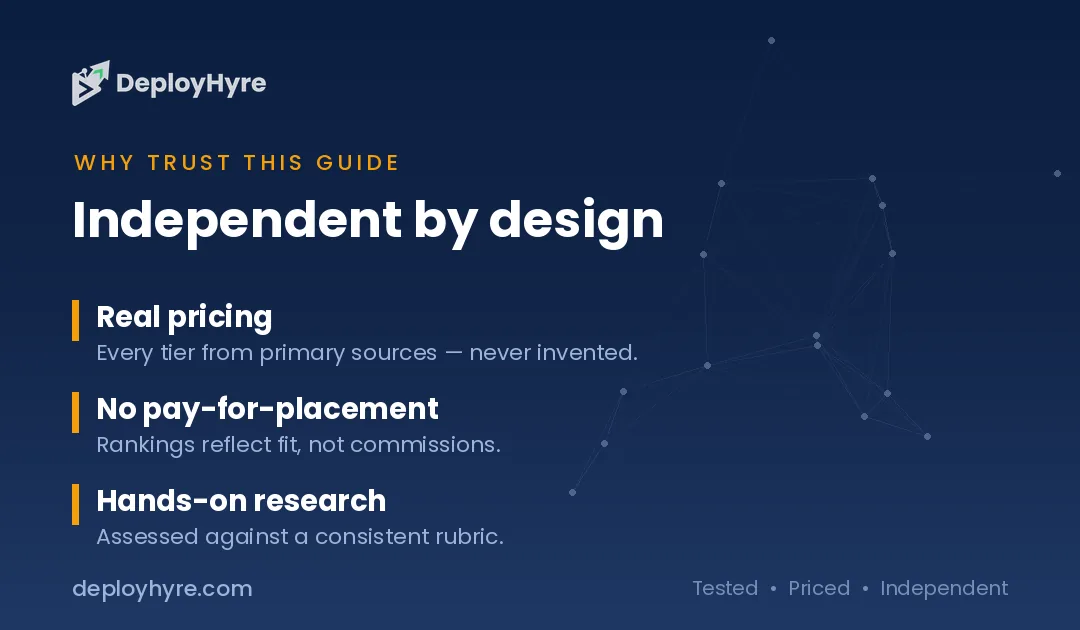
We did not rank a single overall winner because finance needs differ widely. A 20-person startup and a global enterprise need different tools. Instead we grouped platforms by team profile so you can shortlist faster. AI is reshaping the finance role itself, a shift we cover in will AI replace accountants.
The Bottom Line
AI financial analysis software has moved from nice-to-have to standard, with Gartner projecting 90 percent of finance teams will deploy at least one AI solution by 2026. The best choice depends on your stack and team size, not a single leaderboard.
Spreadsheet teams should trial Cube or Datarails first. Enterprises should shortlist Anaplan or Workday Adaptive. Mid-market teams wanting modern AI should test Pigment or Abacum. For tax season workflows, pair your pick with our guide to the best AI tax software, and explore how AI reshapes operations in our overview of AI for business.
Frequently Asked Questions
What is the best AI financial analysis software?
The best tool depends on your team. Datarails and Cube suit Excel-first SMBs, Anaplan and Workday Adaptive fit large enterprises, and Pigment and Abacum lead for AI-native mid-market finance teams.
How much does AI financial analysis software cost?
Most platforms use custom quotes. Enterprise tools like Anaplan often start above $100,000 per year. Mid-market platforms such as Pigment commonly range from $50,000 to $150,000 in software cost, more with implementation.
Can AI financial analysis software replace my FP&A team?
No. These tools automate data gathering, forecasting, and reporting, but humans set strategy and judgment. Surveys show finance teams use AI to scale output and insight rather than cut headcount.
Does AI improve forecasting accuracy?
Yes. AI-powered financial automation has improved forecasting accuracy by up to 35 percent at large companies, according to 2025 FP&A research, by spotting patterns and anomalies humans often miss.
Which AI financial analysis tool is easiest to set up?
Spreadsheet-native and AI-native tools deploy fastest. Cube and Mosaic often go live in weeks, while enterprise platforms like Anaplan can take months and need dedicated admins.

David Austin is a technology writer and software analyst at DeployHyre, where he covers AI tools, SaaS platforms, cloud hosting, and business automation. He focuses on hands-on comparisons of pricing, features, and real-world performance so teams can pick the right software with confidence.
Know AI, SaaS, or cloud tools inside out? Pitch a guest post and get in front of thousands of buyers researching their next tool.