TL;DR: Gusto wins for US-only small businesses. It handles domestic payroll, automatic tax filing, and benefits at a low price. Deel wins for global hiring. It runs payroll and Employer of Record (EOR) service in 150+ countries and manages contractors worldwide. Pick Gusto to pay a US team. Pick Deel to hire across borders.
Introduction
Hiring is going global fast. A 2026 global hiring report found that 73% of HR leaders expect more than half of their new hires to sit outside their home country by 2026. That shift changes which payroll tool your business actually needs.
Gusto and Deel both promise to run payroll and HR. But they solve different problems. Gusto keeps US payroll and taxes simple. Deel makes international hiring possible without opening a foreign entity.
This guide compares both platforms on real 2026 pricing, features, and fit. You will know which one matches your team by the end. For a wider view of the category, see our roundup of the best AI tools for HR.
Quick Comparison: Gusto vs Deel
| Feature | Gusto | Deel |
|---|---|---|
| Base price | From $49/mo (Simple plan) | Contractor from $49/contractor/mo |
| Per-employee price | $6/employee/mo (Simple) | EOR from $599/employee/mo |
| US payroll & tax filing | Yes, all 50 states, automatic | Limited, US payroll available |
| Global payroll / EOR | No | Yes, 150+ countries |
| Contractor management | Yes, US contractors | Yes, global contractors |
| Benefits | Health, 401(k), and more | Global statutory benefits |
| Country coverage | United States | 150+ countries |
| Integrations | QuickBooks, Xero, Slack | Workday, BambooHR, Slack |
| Best for | US small businesses | Global and remote teams |
What Is the Core Difference Between Gusto and Deel?
Gusto is a US payroll and HR platform. Deel is a global hiring platform built around Employer of Record service and international contractor payments. Gusto pays a domestic team. Deel hires anyone, anywhere.
Gusto was built for American small businesses. It runs payroll, files taxes in all 50 states, and administers benefits. Everything assumes a US employer with US workers.
Deel started with a different goal. It lets you hire abroad without setting up a legal entity in each country. Deel owns payroll infrastructure in 130+ countries and supports 150+ countries through its platform. That is the heart of the split. One tool goes deep on the US. The other goes wide across the world.
How Do Gusto and Deel Pricing and Modules Compare?
Gusto costs less for domestic teams. Its Simple plan starts at $49 per month plus $6 per employee. Deel charges from $599 per employee per month for standard EOR and about $49 per contractor per month.
Gusto uses three tiers. The 2026 pricing breaks down like this:
-
Simple: $49/month base plus $6 per employee
-
Plus: $80/month base plus $12 per employee
-
Premium: $180/month base plus $22 per employee
Gusto raised its Simple base price from $40 to $49 on March 1, 2026.
Deel prices by service. Deel EOR starts at $599 per employee per month for the standard plan and $899 for enterprise. Deel Contractor Management starts around $49 per contractor per month. Volume discounts can lower the EOR rate to $350 to $500 per month for larger teams.
The two do not overlap on price because they do not do the same job. Gusto is cheap for a US team. Deel costs more because it takes on legal employment risk abroad. For a broader price survey, read our guide to AI payroll software.
Which Platform Handles US Payroll and Tax Filing Better?
Gusto wins US payroll. It automatically calculates, files, and pays federal, state, and local payroll taxes in all 50 states. Every Gusto plan includes this at no extra cost.
Gusto handles the paperwork most small businesses dread. It files all payroll taxes automatically, including Form 941, Form 940, and state unemployment filings. It also generates and files W-2s and 1099-NECs.
Gusto e-files 1099-NEC forms to state and federal agencies for every contractor you pay. It does this whether or not they cross the $600 IRS threshold. That removes a common year-end headache.
Deel can run US payroll too. But it does not match Gusto’s depth on domestic tax compliance. If your team is US-only, Gusto is the stronger and cheaper choice. This is the clearest win in the whole comparison.
Which Platform Is Better for Global Hiring and Contractors?
Deel wins global hiring by a wide margin. It runs compliant payroll and EOR service in 150+ countries and pays contractors in 150+ currencies. Gusto cannot hire employees outside the United States.
Deel is built for borders. Its in-country teams handle tax filings, statutory contributions, and payslips locally in each country. You avoid tracking dozens of regulatory changes yourself.
Deel’s EOR service lets you hire in a new country before you open a legal entity there. Deel becomes the legal employer and absorbs compliance, payroll tax, and statutory benefit duties. That is impossible with Gusto.
For contractors, Deel manages contracts, onboarding, invoices, and tax forms across the globe. Gusto handles US contractors well but stops at the border. If you hire abroad, Deel is the answer. Compare it against a top rival in our Deel vs Remote breakdown.
How Do Benefits Administration Compare?
Gusto offers rich US benefits like health insurance and 401(k) plans through its platform. Deel focuses on statutory and supplemental benefits required in each country where you hire.
Gusto connects payroll to benefits in one place. You can offer health, dental, vision, and retirement plans to US employees. Benefits sync with payroll deductions automatically, which cuts manual work.
Deel takes a different route. Because it employs people across many countries, it handles the statutory benefits each nation requires. Employer costs and mandatory benefits vary widely and can add 13% to 40% on top of gross pay, depending on the country.
So the winner depends on your workers. Gusto gives US teams a familiar benefits menu. Deel keeps you compliant with local rules everywhere else. Neither replaces the other.
Which Platform Has Stronger HR Features?
Both offer HR tools, but they aim at different users. Gusto bundles hiring, onboarding, and time tracking for US teams. Deel adds global HR modules like device management and workforce planning.
Gusto covers core HR for small businesses. You get offer letters, onboarding checklists, PTO tracking, and simple performance tools. It fits a lean HR team or a founder who handles people ops alone.
Deel scaled its HR suite in 2026. It added modules for device management, workforce planning, and AI-powered compliance. These features matter when you manage staff across time zones and legal systems.
The gap is scope. Gusto keeps HR light and local. Deel builds HR for distributed global companies. Choose based on how spread out your team is.
How Do Integrations and Ease of Use Compare?
Gusto is easier for US teams and integrates with accounting tools like QuickBooks and Xero. Deel connects to enterprise HR systems and offers 24/7 global support, but it takes more setup.
Gusto earns praise for a clean, simple interface. It integrates with QuickBooks, Xero, FreshBooks, and Slack. Small teams get running quickly with little training.
Deel connects to bigger systems like Workday, HiBob, and BambooHR. It runs 24/7 support to serve customers in every time zone. Some users find the platform less intuitive because global workflows are complex by nature.
Support is a real split. Deel offers round-the-clock help, while some Gusto users report slower service. Weigh ease of use against the reach you need.
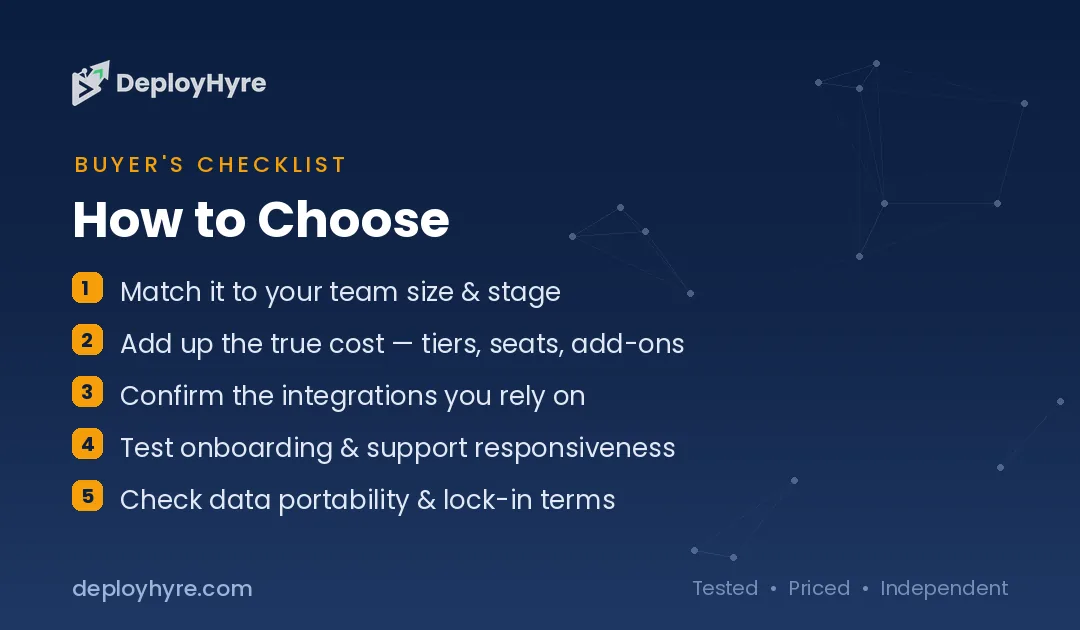
Gusto vs Deel: Which Should You Choose?
Choose Gusto if your whole team works in the United States. Choose Deel if you hire employees or contractors in other countries. Your workforce map decides the winner.
Pick Gusto if you are a US-only small business. You want cheap, automatic payroll and tax filing. You need US benefits like health and 401(k). You value a simple interface over global reach. Gusto is the obvious fit.
Pick Deel if you hire internationally. You need EOR service to employ people abroad without a local entity. You pay contractors in many countries and currencies. You want one platform for global HR and compliance. Deel is built for exactly this.
Some companies grow into both. They run US payroll on Gusto and hire abroad through Deel. That combination is common and works well.
The Bottom Line
Gusto and Deel are not really rivals. They serve different jobs. Gusto is the best pick for US small businesses that want simple, affordable domestic payroll and benefits. Deel is the best pick for companies hiring across borders that need EOR and global contractor payments.
Match the tool to your team. If everyone is in the US, start with Gusto. If you hire anywhere in the world, start with Deel.
Frequently Asked Questions
Is Gusto or Deel cheaper?
Gusto is cheaper for US teams. Its Simple plan costs $49 per month plus $6 per employee. Deel EOR starts at $599 per employee per month because it takes on legal employment abroad. Deel contractor management is closer at about $49 per contractor per month.
Can Gusto pay international employees?
No. Gusto cannot employ workers outside the United States. It handles US payroll, taxes, and benefits only. If you need to hire abroad, you need a global platform like Deel that offers Employer of Record service.
What is Deel’s Employer of Record service?
Deel EOR lets you hire employees in another country without opening a legal entity there. Deel becomes the legal employer. It handles payroll tax, statutory benefits, and local employment law, so you stay compliant while you hire globally.
Does Gusto file payroll taxes automatically?
Yes. Gusto automatically calculates, files, and pays federal, state, and local payroll taxes in all 50 states. This includes Form 941, Form 940, W-2s, and 1099-NECs. Every Gusto plan includes automatic tax filing at no extra cost.
Should a US small business use Gusto or Deel?
A US-only small business should use Gusto. It offers cheap, automatic domestic payroll, tax filing, and US benefits in a simple interface. Deel makes sense only once you start hiring employees or contractors in other countries.
Know AI, SaaS, or cloud tools inside out? Pitch a guest post and get in front of thousands of buyers researching their next tool.
Related Articles


David Austin is a technology writer and software analyst at DeployHyre, where he covers AI tools, SaaS platforms, cloud hosting, and business automation. He focuses on hands-on comparisons of pricing, features, and real-world performance so teams can pick the right software with confidence.