TL;DR: Gusto wins for small businesses that want transparent pricing, simple setup, and modern payroll with built-in benefits. ADP wins for growing and enterprise teams that need deep compliance, global payroll, and a full HR suite. Choose Gusto under 100 employees. Choose ADP when you scale past that or operate across many states or countries.
Payroll mistakes get expensive fast. In 2024, the IRS assigned over $26 billion in civil penalties tied to employment tax problems. That number scares every business owner who runs payroll by hand.
The fix is the right software. Yet only 21% of small businesses use a third-party payroll platform. Most still rely on spreadsheets or outside firms.
Two names dominate this decision: Gusto and ADP. Gusto is the modern, easy pick for small teams. ADP is the established giant built for scale. This guide compares them honestly so you can choose with confidence. If you want the wider landscape first, see our guide to the best AI tools for HR.
Quick Comparison: Gusto vs ADP
| Feature | Gusto | ADP (RUN / Workforce Now) |
|---|---|---|
| Pricing transparency | Fully public pricing | Quote-based, not published |
| Base + per-employee price | From $49/mo + $6/person | RUN est. ~$79/mo + ~$4/person (custom quote) |
| Payroll & tax filing | Full-service, all filings included | Full-service; some filings cost extra |
| Benefits | 9,000+ health plans, 401(k) built in | Broad benefits plus PEO via TotalSource |
| HR tools | Solid HR for small teams | Deep HRIS and HR advisory |
| Scalability | Best under ~100 employees | Scales to 1,000+ and global |
| Integrations | QuickBooks, Xero, FreshBooks, and more | Large partner marketplace |
| Best for | SMBs wanting simplicity | Growing and enterprise orgs |
What Is the Core Difference Between Gusto and ADP?
Gusto is a modern payroll and HR platform built for small businesses. ADP is an established, enterprise-grade provider built to scale from tiny teams to global corporations. That single difference shapes every other comparison below.
Gusto launched to fix clunky payroll. It puts payroll, benefits, and simple HR in one clean dashboard. Small teams can set it up in a day.
ADP has run payroll for decades. It serves everyone from solo shops to the Fortune 500. Its RUN product targets small firms, while Workforce Now serves 51 to 1,000 employees. Its depth is huge, but so is its complexity.
Think of it this way. Gusto optimizes for ease. ADP optimizes for scale and compliance depth. Your company size and growth plans decide the winner.
How Do Gusto and ADP Compare on Pricing and Transparency?
Gusto publishes every price on its website. ADP hides pricing behind custom quotes. This transparency gap is the clearest difference between the two platforms.
Gusto’s pricing is fully public. The Simple plan starts at $49 per month plus $6 per employee. Plus starts at $80 per month plus $12 per person. Premium starts at $180 per month plus $22 per person.
ADP works differently. It does not publish standard pricing. Third-party estimates put ADP RUN Essential near $79 per month plus about $4 per employee. Treat that as an estimate, not a fixed price.
Every ADP quote varies. Cost depends on employee count, states, pay frequency, and add-on modules. Many buyers report paying more after implementation fees and per-run charges.
The takeaway is simple. Gusto lets you budget before you sign. ADP requires a sales call and some negotiation.
How Do Payroll and Tax Filing Compare?
Both platforms run full-service payroll and file taxes automatically. Gusto includes all filings in its base price, while ADP charges extra for some tax forms.
Gusto handles federal, state, and local payroll taxes. It includes all quarterly and annual filings at its lowest price point. Year-end W-2 and 1099 forms come with the plan.
ADP also runs full-service payroll with automatic tax filing. But ADP often charges extra for W-2 and 1099 filings. Those fees add up at year-end.
Both platforms are accurate and reliable. The difference is cost structure, not capability. Gusto bundles more into one flat price.
For a broader look at automation in this space, read our roundup of the best AI payroll software.
Which Platform Handles Benefits Administration Better?
Gusto builds benefits directly into the platform with a huge plan library. ADP offers strong benefits plus a full PEO option for hands-off HR outsourcing.
Gusto shines here for small teams. It connects to over 9,000 health insurance plans and major 401(k) providers. Employees enroll in health, retirement, and commuter benefits inside the same dashboard.
ADP matches this depth and goes further for larger firms. It offers benefits administration plus PEO service through ADP TotalSource. A PEO lets you outsource HR, compliance, and benefits to ADP entirely.
Small teams usually find Gusto’s benefits simpler and faster. Larger teams that want a co-employment model lean toward ADP TotalSource.
Which Has Stronger HR and Compliance Features?
ADP offers deeper HR and compliance tools built for complex, multi-state, and global operations. Gusto covers core HR well but keeps things lighter for small teams.
Gusto includes hiring tools, onboarding, time tracking, and PTO. Its Premium plan adds certified HR professionals and priority support. This suits most companies under 100 people.
ADP goes deeper. It offers multi-jurisdiction tax filing, HR advisory through HR Pro, and a full HRIS suite. For global teams, ADP handles local tax law and compliance in over 140 countries.
Compliance risk grows with size and geography. A five-person shop in one state does not need ADP’s depth. A 500-person company across ten states or several countries often does.
Does ADP Scale Better for Large Organizations?
Yes. ADP is built to scale from a handful of employees to thousands across many countries. Gusto is optimized for small businesses and starts to strain at larger sizes.
ADP Workforce Now supports 50 to 1,000-plus employees with payroll, HR, benefits, and talent management in one place. Its GlobalView product extends payroll to 140-plus countries.
This is ADP’s core strength. Enterprise buyers get advanced reporting, deep integrations, and dedicated support that grows with headcount.
Gusto is excellent for small teams. But experts agree Gusto is strongest for businesses under about 100 employees. Past that, ADP’s scale and compliance depth usually win.
If you are a fast-growing startup, weigh your five-year plan. Some teams outgrow Gusto and migrate later. Others prefer starting on a platform built to scale.
How Do the Integrations Compare?
Both platforms connect to popular business tools. Gusto offers flexible, no-cost accounting integrations, while ADP provides a large marketplace suited to complex stacks.
Gusto integrates with QuickBooks, Xero, FreshBooks, Sage, and more. It also connects to time tracking, POS, and expense tools like Expensify, Clover, and Homebase. All integrations come at no extra cost.
ADP runs a large partner marketplace with deep enterprise connections. It fits companies that need to link payroll to ERP systems and complex HR tech stacks.
Small teams using Xero or non-Intuit accounting often prefer Gusto’s flexible, API-driven approach. Enterprise buyers value ADP’s broad ecosystem.
Which Is Easier to Use, and How Is Support?
Gusto is easier to use, with a simpler interface and faster setup. ADP is more powerful but more complex, and it usually takes longer to configure.
Gusto scores higher on usability. Its clean design and fast onboarding earned it strong reviews. Gusto’s team was ranked number one in customer satisfaction by G2 in a recent year.
ADP is more complex by design. Its depth means more setup time and a steeper learning curve. Larger teams often assign an admin to manage it.
For small business owners without an HR team, Gusto usually feels friendlier. For enterprises with dedicated payroll staff, ADP’s power outweighs its complexity.
Curious how Gusto stacks up against another modern rival? See our Gusto vs Rippling comparison.
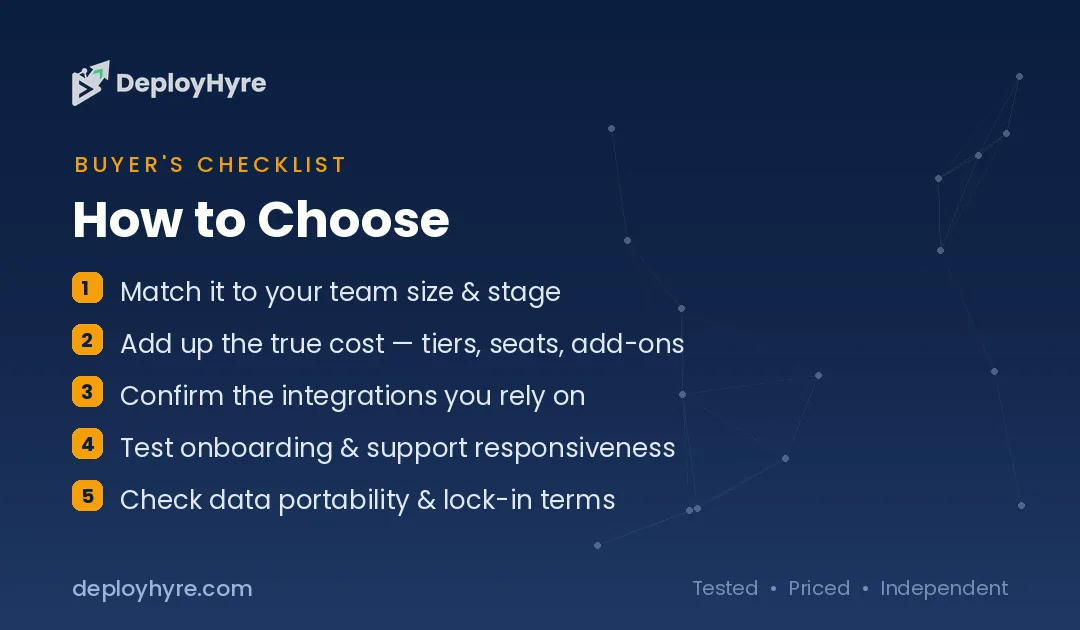
Gusto vs ADP: Which Should You Choose?
Match the platform to your company size and complexity. Here is a clear guide by business type.
Choose Gusto if you are a small business. Teams under 100 employees get transparent pricing, easy setup, and bundled benefits. Startups, agencies, and local shops fit this profile well.
Choose Gusto if you want to budget upfront. Public pricing means no sales calls and no surprises. You know your cost before you commit.
Choose ADP if you are scaling fast or already large. Companies with 100-plus employees, multi-state operations, or global teams need ADP’s compliance depth. Workforce Now and GlobalView are built for this.
Choose ADP if you want a PEO or full HRIS. ADP TotalSource lets you outsource HR entirely. Larger firms that want deep HR advisory get more from ADP.
Choose ADP if compliance risk is high. Complex regulations across many states or countries favor ADP’s specialized tools.
The Bottom Line
Gusto and ADP solve the same problem for different companies. Gusto is the modern, transparent choice for small businesses that value simplicity. ADP is the established powerhouse for teams that need enterprise scale and deep compliance.
Small business owners under 100 employees should start with Gusto. Its clear pricing and easy setup remove the guesswork. Growing and enterprise teams that operate across many states or countries should choose ADP for its scale.
Your company size is the deciding factor. Pick the platform that matches where you are today and where you plan to grow.
Frequently Asked Questions
Is Gusto cheaper than ADP?
Gusto usually costs less for small businesses, and its pricing is fully public. Gusto’s Simple plan starts at $49 per month plus $6 per employee. ADP does not publish standard pricing and uses custom quotes. Most ADP buyers pay more once add-ons and fees are included.
Is ADP better than Gusto for large companies?
Yes. ADP is built to scale from small teams to thousands of employees across 140-plus countries. Its Workforce Now and GlobalView products offer deep compliance and HR tools that large organizations need. Gusto is strongest for businesses under about 100 employees.
Does Gusto file payroll taxes automatically?
Yes. Gusto runs full-service payroll and files federal, state, and local taxes automatically. It includes all quarterly and annual filings, plus year-end W-2 and 1099 forms, in its base price. This makes it a low-maintenance choice for small teams.
Why does ADP not show its prices?
ADP uses a quote-based model because pricing depends on many factors. These include employee count, pay frequency, states of operation, and selected add-on modules. You must contact ADP sales for an accurate quote tailored to your business.
Can I switch from Gusto to ADP as I grow?
Yes. Many businesses start on Gusto for its simplicity and migrate to ADP as they scale past 100 employees. Both platforms support payroll migration, though moving providers takes planning. Consider your growth plans before choosing a starting platform.
Know AI, SaaS, or cloud tools inside out? Pitch a guest post and get in front of thousands of buyers researching their next tool.
Related Articles

David Austin is a technology writer and software analyst at DeployHyre, where he covers AI tools, SaaS platforms, cloud hosting, and business automation. He focuses on hands-on comparisons of pricing, features, and real-world performance so teams can pick the right software with confidence.