The newest ecommerce chatbots do more than answer questions. Agentic AI now takes actions instead of only replying, including recovering carts, applying discounts, and editing orders. That shift turns the chat window into a sales channel, guiding hesitant shoppers to checkout the way a great in-store associate would.
Table of Contents
We tested 9 AI ecommerce chatbots built for the storefront, where the job is conversion, not just support. This guide is part of our AI tools for ecommerce cluster. For broad helpdesk and ticketing tools across all industries, see our separate guide to the best AI customer service software instead.
Quick Comparison: Top AI Ecommerce Chatbots
| Tool | Best For | Starting Price | Core Strength |
|---|---|---|---|
| Zipchat | Agentic sales bot | $49/mo | Per-reply pricing |
| Rep AI | Conversion concierge | $99/mo | Behavioral triggers |
| Chatty | AI-native Shopify app | ~$20/mo | High app rating |
| Tidio | SMB all-in-one inbox | ~$59/mo | Lyro AI |
| Gorgias AI | Agent-led order actions | ~$10/mo | Order automation |
| Yuma AI | Agentic support tasks | Custom | Refunds and edits |
| Octane AI | Quiz-led discovery | ~$50/mo | Zero-party data |
| Manychat | Social and DM commerce | ~$15/mo | Multichannel flows |
| Alhena | Shopping assistant agent | Custom | Guided buying |
What Is an AI Ecommerce Chatbot?
An AI ecommerce chatbot is a storefront assistant that answers shopper questions, recommends products, and guides visitors to checkout in real time. Unlike a general helpdesk, it focuses on conversion: it engages hesitating visitors, runs product finders, and recovers carts. The best ones take actions like applying a discount or editing an order, not just chatting.
This is a different job from a support helpdesk. A helpdesk manages tickets across email and chat for service teams. An ecommerce chatbot lives on the storefront to lift sales, then hands off complex cases. Many tools blur the line, so check whether a tool leads with conversion or with ticket management before you buy.
Best AI Ecommerce Chatbots for Conversion
These bots focus on turning browsers into buyers with proactive, sales-led chat.
1 Zipchat: Best for agentic sales
Zipchat is a conversion-first chatbot for Shopify.
What it does well. It engages shoppers proactively, answers product questions, and uses agentic skills to recover carts and take actions. Flat per-reply tiers give a predictable cost ceiling even during traffic peaks.
Key features:
- Proactive sales chat
- Agentic skills for actions
- Cart recovery
- Per-reply pricing
Pricing. Plans start at $49 per month, Shopify-first with WooCommerce support.
Best for: stores wanting a predictable sales bot.
Limitations. WooCommerce support trails Shopify.
2 Rep AI: Best for conversion concierge
Rep AI is an LLM sales concierge.
What it does well. It uses behavioral triggers to engage hesitating visitors, runs a product finder, and recovers carts with IP-based identification. It rates 4.7 across about 109 reviews, a strong signal for a conversion tool.
Key features:
- Behavioral engagement triggers
- AI product finder
- Cart recovery
- Shopify integration
Pricing. Plans start at $99 per month flat.
Best for: stores focused on rescuing hesitant shoppers.
Limitations. Higher flat entry price.
3 Chatty: Best AI-native Shopify app
Chatty is a top-rated AI-native chat app.
What it does well. It combines AI answers, FAQ, and order tracking in a clean Shopify app, earning high ratings for ease of use. It suits stores that want fast setup and a sales-aware bot.
Key features:
- AI chat and FAQ
- Order tracking in chat
- Quick Shopify setup
- Customizable widget
Pricing. Plans start around $20 per month.
Best for: small Shopify stores wanting simplicity.
Limitations. Lighter agentic actions than Zipchat.
Best AI Chatbots for Support and Sales Together
These tools blend storefront sales with helpdesk features for growing teams.
4 Tidio: Best SMB all-in-one inbox
Tidio mixes chat, email, and AI in one inbox.
What it does well. Its Lyro AI learns your catalog and order history to resolve common questions and suggest products, while a shared inbox handles the rest. It suits smaller stores that want sales and support together.
Key features:
- Lyro AI resolution
- Live chat and email inbox
- Product suggestions in chat
- Shopify integration
Pricing. Growth starts around $59 per month, with the Lyro AI add-on from $39.
Best for: SMB stores wanting one tool for both jobs.
Limitations. Real cost rises once AI add-ons stack.
5 Gorgias AI: Best for agent-led order actions
Gorgias adds AI to a Shopify-native helpdesk.
What it does well. Its AI Agent connects to Shopify orders, drafts replies, and can take order actions, with deep ticketing for human agents. It suits busier stores that still want sales touches in chat.
Key features:
- Shopify order actions
- AI reply drafting
- Ticket automation
- Multichannel inbox
Pricing. Plans start around $10 per month, with usage-based AI fees.
Best for: stores blending heavy support with sales.
Limitations. AI fees climb during volume spikes.
6 Yuma AI: Best for agentic support tasks
Yuma AI automates complex post-purchase tasks.
What it does well. It processes refunds, edits or cancels orders, and handles repetitive requests as an agentic layer over your helpdesk, freeing agents for sales conversations. It targets high-volume brands.
Key features:
- Agentic order actions
- Refund and edit automation
- Helpdesk integrations
- Multi-language support
Pricing. Custom pricing by volume.
Best for: high-volume stores automating actions.
Limitations. Built to sit on an existing helpdesk.
Best AI Chatbots for Discovery and Social
These tools guide buying through quizzes and messaging channels.
7 Octane AI: Best for quiz-led discovery
Octane AI guides shoppers with quizzes.
What it does well. It builds product-finder quizzes that ask shoppers what they want, then recommends products and captures zero-party data for follow-up. It pairs well with email tools. Learn more in our product recommendation engines guide.
Key features:
- Product recommendation quizzes
- Zero-party data capture
- Personalized follow-up
- Klaviyo integration
Pricing. Plans start around $50 per month.
Best for: stores with many product options.
Limitations. Quizzes take design effort.
8 Manychat: Best for social and DM commerce
Manychat runs chat across social channels.
What it does well. It automates conversations on Instagram, WhatsApp, and Messenger with AI, turning comments and DMs into sales. It suits brands that sell heavily through social.
Key features:
- Instagram, WhatsApp, Messenger flows
- AI replies and automation
- Comment-to-DM capture
- Ecommerce integrations
Pricing. Plans start around $15 per month.
Best for: social-first ecommerce brands.
Limitations. Less focused on on-site conversion.
9 Alhena: Best for shopping assistant agents
Alhena acts as a guided shopping agent.
What it does well. It answers questions, recommends products, and guides buying across the store as an AI shopping assistant, with support actions built in. It targets stores wanting a full agent experience.
Key features:
- Guided shopping assistant
- Product recommendations
- Order support actions
- Multi-channel coverage
Pricing. Custom pricing by scope.
Best for: stores wanting an end-to-end agent.
Limitations. Newer than established rivals.
How Should You Choose an AI Ecommerce Chatbot?
Choose based on your main goal: conversion, blended support, or social selling. Pick Zipchat, Rep AI, or Chatty for sales-led chat. Pick Tidio or Gorgias when you need support and sales together. Pick Manychat for social commerce and Octane AI for quiz-led discovery.
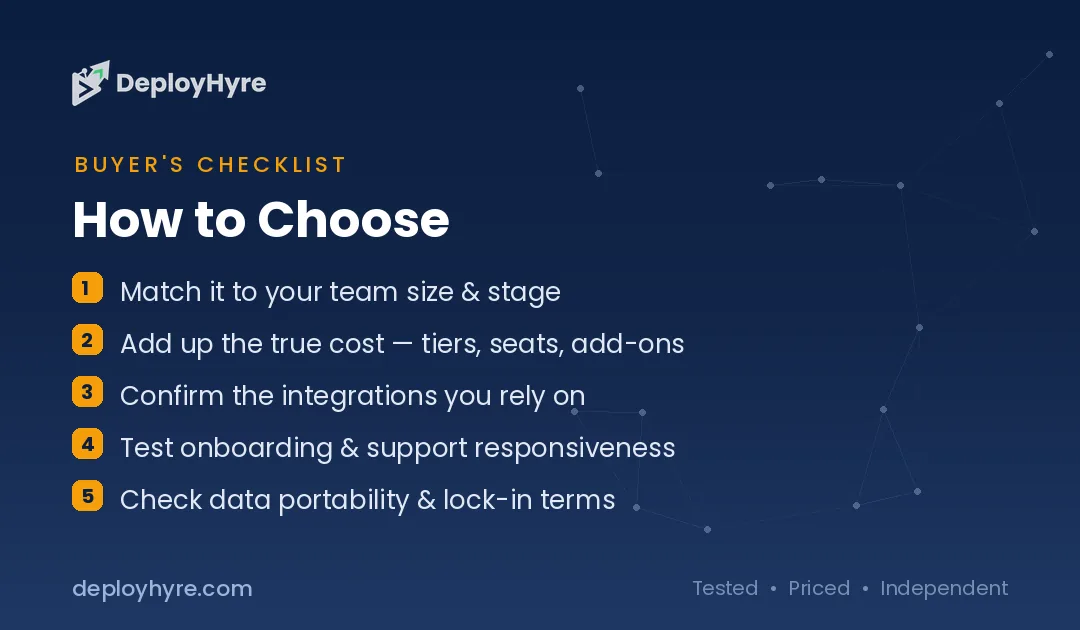
Start with the job that drives revenue. If you lose sales to hesitation, a conversion concierge like Rep AI pays off. If support tickets pile up too, a blended tool like Tidio or Gorgias fits. Then weigh pricing models, since per-reply, flat, and ticket-based plans behave differently during peaks. Finally, confirm agentic actions if you want the bot to recover carts or edit orders. Pair the bot with strong recommendations and a fast Shopify stack.
How We Evaluated These Ecommerce Chatbots
We scored each tool on four factors: conversion features, agentic actions, integration depth, and cost predictability. We weighted conversion and actions most, since this guide covers storefront sales, not general support. We reviewed vendor documentation, app store ratings, and current pricing, and flagged where costs can spike with volume.
The Bottom Line
The best AI ecommerce chatbot turns chat into a sales channel. For conversion, Zipchat and Rep AI lead. For blended sales and support, Tidio and Gorgias fit. For social selling, Manychat wins. Match the tool to your goal, watch the pricing model, and connect it to the rest of your AI ecommerce stack.
Frequently Asked Questions
What is the best AI ecommerce chatbot?
Zipchat and Rep AI are the best picks for conversion-focused storefront chat, while Tidio and Gorgias lead when you need sales and support together. The right choice depends on whether your main goal is converting hesitant shoppers, handling support volume, or selling through social channels.
How is an ecommerce chatbot different from customer service software?
An ecommerce chatbot lives on the storefront to lift sales by engaging shoppers, recommending products, and recovering carts. Customer service software focuses on managing support tickets across channels. Many tools overlap, but sales-led bots prioritize conversion while helpdesks prioritize ticket resolution.
Can AI chatbots recover abandoned carts?
Yes. Conversion bots like Zipchat and Rep AI detect hesitation and re-engage shoppers, sometimes with a discount, to recover carts before they are lost. Agentic bots can also take actions like applying a code, which lifts recovered revenue beyond simple reminder emails.
How much do AI ecommerce chatbots cost?
Entry tools like Chatty and Manychat start around $15 to $20 per month, Zipchat from $49, and Rep AI from $99 flat. Gorgias starts near $10 but adds AI fees, and Tidio plus its AI add-on can reach $68 to $348 per month for a growing store.
Do AI chatbots work with Shopify?
Yes. Zipchat, Rep AI, Chatty, Tidio, and Gorgias all integrate with Shopify to read products and orders. Once connected, they answer questions, recommend products, and take order actions. Confirm whether the tool also supports WooCommerce if you run a non-Shopify store.

David Austin is a technology writer and software analyst at DeployHyre, where he covers AI tools, SaaS platforms, cloud hosting, and business automation. He focuses on hands-on comparisons of pricing, features, and real-world performance so teams can pick the right software with confidence.
Know AI, SaaS, or cloud tools inside out? Pitch a guest post and get in front of thousands of buyers researching their next tool.