Table of Contents
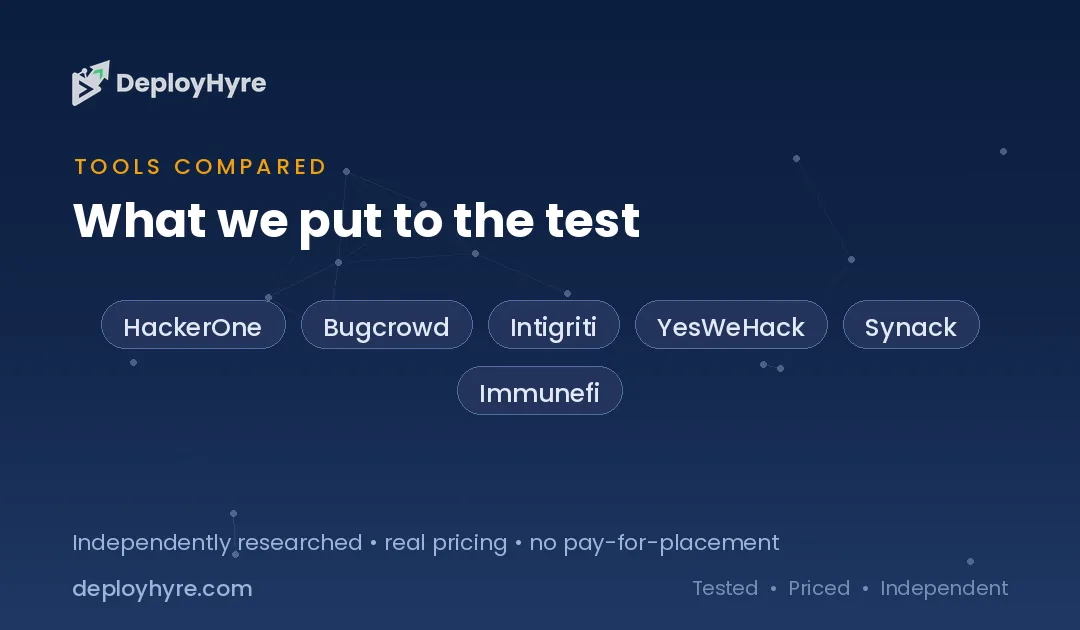
The best bug bounty platform for most organizations is HackerOne for the largest researcher community, Bugcrowd or Intigriti for beginner-friendly programs, Synack for vetted invite-only testing, and Immunefi for Web3 and crypto. Bug bounty platforms connect your applications to a global community of ethical hackers who find and report security vulnerabilities, and you pay them for valid findings, turning the world’s security researchers into an always-on testing force.
The cost structure to understand: there are two separate costs, the platform fee and the bounties you pay researchers, and the bounties usually dwarf the fee. Running a program on a platform costs roughly €20,000 to €200,000 a year in platform and service fees, but the payouts to researchers, from $100 for a low-severity bug to over $100,000 for a critical one at top programs, are a separate and often larger line item. Budgeting for both, and setting bounty amounts that attract quality researchers, is the real financial decision.
Every figure below is a recent observed range. Because platforms quote per program and publish few public rates, treat each as a band.
Quick Comparison: Bug Bounty Platforms at a Glance
| Platform | Best For | Observed Cost | Model |
|---|---|---|---|
| HackerOne | Largest community, program volume | Program €20K–€200K/yr + bounties (quote) | Public crowdsourced |
| Bugcrowd | Beginner-friendly, managed | Program + bounties (quote) | Public crowdsourced |
| Intigriti | Beginner-friendly, European base | Program + bounties (quote) | Public crowdsourced |
| YesWeHack | European/global compliance focus | Program + bounties (quote) | Public crowdsourced |
| Synack | Vetted, invite-only testing | Enterprise (quote); higher payouts | Vetted private |
| Immunefi | Web3 and crypto | Program + bounties (quote); large crypto payouts | Web3-specialized |
What Bug Bounty Platforms Do
A bug bounty platform runs your vulnerability-disclosure and reward program: you define a scope (which applications and vulnerability types are in play) and bounty amounts, and the platform’s community of ethical hackers tests your systems and reports what they find. The platform triages incoming reports (validating and de-duplicating them), manages communication with researchers, and handles payouts. The result is continuous, incentivized security testing by thousands of diverse researchers, complementing the periodic, scoped testing of a traditional penetration test.
The value is coverage and creativity that in-house teams and scheduled pentests cannot match: a global crowd finds the edge cases and novel attack chains that a single tester or automated scan misses, and they only get paid for valid findings, so you pay for results, not effort. The AI and platform layer increasingly helps triage the report volume, score severity, and reduce duplicates, which is the operational bottleneck of running a program at scale.
Bug bounties are one layer of an application-security program, alongside pentesting and code scanning. They complement the testing in our best AI penetration testing tools guide, the code analysis in our best AI application security tools guide, and the exposure discovery in our best attack surface management tools guide.
Two Costs: The Platform Fee and the Bounties
Running a bug bounty program has two separate costs, the platform/service fee and the bounties paid to researchers, and the bounties are often the larger, less predictable one. The platform fee, covering triage, program management, and access to the researcher community, runs roughly €20,000 to €200,000 a year depending on program size and contracted services. Separately, you pay researchers per valid finding, from about $100 for low-severity bugs to over $100,000 for critical vulnerabilities at top-tier programs. Set bounties too low and quality researchers ignore your program; set them competitively and you attract the talent that finds the serious bugs.
This two-part structure means budgeting requires estimating both the fixed platform cost and the variable bounty spend, which scales with how many and how severe the bugs found are, ironically, a successful program (finding real critical bugs) costs more in bounties, but that is exactly the value. Most platforms publish few public figures (HackerOne shows no dollar amounts on its pricing page), so you get a quote for the platform and set your own bounty table. Plan for both, and treat competitive bounties as the investment that makes the program work.
Best Public Crowdsourced Platforms
HackerOne is the market leader in public crowdsourced bug bounties, with the largest researcher community and the highest program volume, making it the default for organizations that want the broadest testing coverage. Its scale means more researchers testing your scope and a mature platform for triage and management, which is why many of the best-known bug bounty programs run on HackerOne. It publishes no dollar figures publicly, so you get a quote, but its community reach is the differentiator, more eyes on your applications than any competitor.
Bugcrowd and Intigriti are the other leading public platforms, both noted as the most beginner-friendly for organizations launching their first program, with strong managed-triage services that reduce the operational burden. Intigriti has a strong European base, and YesWeHack similarly serves European and global organizations with a compliance focus. All are public crowdsourced platforms; HackerOne for maximum community scale, Bugcrowd and Intigriti for beginner-friendly managed programs, YesWeHack for European/compliance needs. For organizations starting a program, the beginner-friendly managed options ease the launch, feeding findings into our best AI application security tools workflow.
Best Vetted and Private Testing
Synack is the leader for vetted, invite-only bug bounty testing, using a curated group of thoroughly-screened researchers rather than an open public crowd, with higher payouts and enterprise pricing. Its model suits organizations that need the creativity of crowdsourced testing but require vetted, trusted researchers, common in regulated industries, government, and enterprises handling sensitive data where an open public program is not acceptable. Synack combines the crowd’s coverage with the trust and control of a private, screened program, at a corresponding enterprise cost.
The vetted-private model is the middle ground between a fully public bounty and a traditional pentest: more researchers and continuous testing than a pentest, but with the researcher trust and controlled access that a public program lacks. For organizations where security matters intensely but an open program raises compliance or trust concerns, Synack is the specialist. Many mature programs also run private, invite-only programs on the public platforms (HackerOne, Bugcrowd) before going public, so the vetted approach is available both as a dedicated platform and as a program tier, complementing the scoped testing in our best AI penetration testing tools guide.
Best for Web3 and Specialized Needs
Immunefi is the leading bug bounty platform for Web3 and crypto, specializing in smart contracts and blockchain protocols where a single vulnerability can mean the theft of millions, and where bounties are correspondingly enormous. The Web3 space has unique security needs, immutable smart contracts, on-chain funds at risk, that general platforms are not built for, and Immunefi’s crypto-native community and program structure address them. Its bounties are among the largest anywhere, reflecting the scale of funds a critical smart-contract bug can expose, which is why crypto protocols standardize on it.
For any organization building on blockchain, smart contracts, DeFi protocols, crypto exchanges, Immunefi is the specialist rather than a general platform, because the vulnerability classes and researcher expertise are specific to Web3. The broader lesson is that bug bounty platforms have specialized: HackerOne, Bugcrowd, and Intigriti cover general web and application security, Synack covers vetted enterprise testing, and Immunefi covers Web3. Choose the platform whose community and structure match your technology, since a general platform’s researchers are not the crypto specialists a smart-contract audit requires.
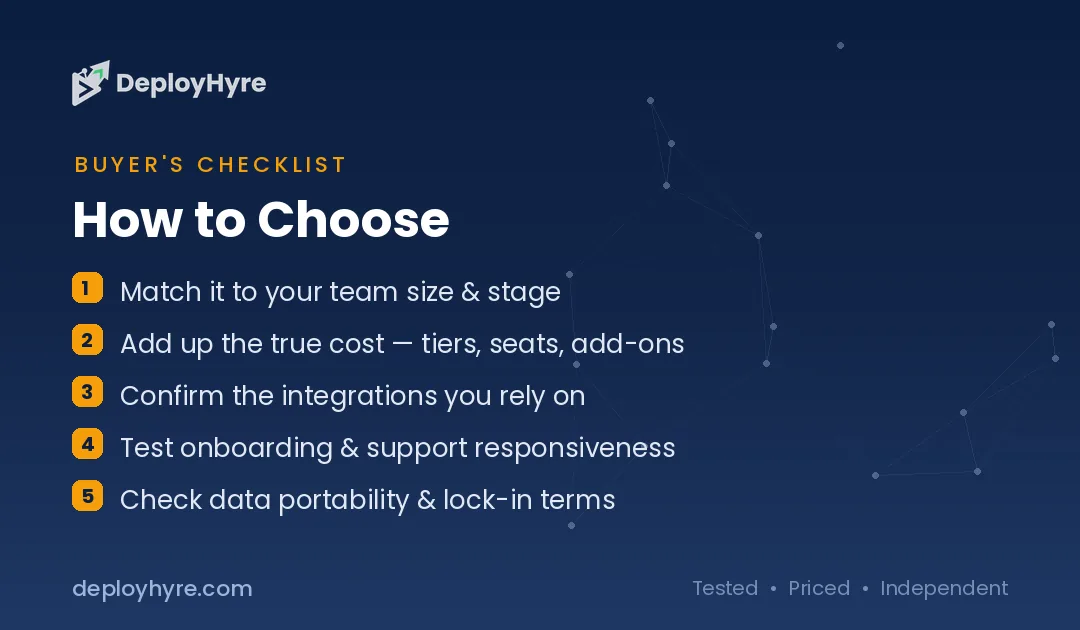
How Should You Choose a Bug Bounty Platform?
Match the platform to your technology and trust needs first. General web and application security points to HackerOne (scale), Bugcrowd or Intigriti (beginner-friendly). Vetted, private testing for regulated or sensitive environments points to Synack. Web3 and crypto point to Immunefi. The platform’s community must match what you are securing.
Then decide public versus private. A public program maximizes coverage but exposes your scope to everyone; a private, invite-only program (available on the public platforms or via Synack) limits testing to trusted researchers. Many organizations start private, prove the process, then go public. Choose based on your risk tolerance and compliance requirements.
Finally, budget for both costs and set competitive bounties. Plan the platform/service fee (€20,000 to €200,000 a year) and the variable bounty spend separately, and set bounty amounts high enough to attract quality researchers, because underpriced programs get ignored. Also weigh managed triage, Bugcrowd and Intigriti’s managed services reduce the operational load of handling report volume, which is worth paying for if you lack an in-house team to triage findings.
How We Evaluated These Platforms
We evaluated each platform on researcher community size and quality, triage and program management, public-versus-vetted model, specialization (general, enterprise, Web3), and cost structure. Figures come from platform pages and comparison sources. Because platforms quote per program and publish few public rates, we present observed bands and separate the platform fee from bounty spend. We accepted no payment for placement; rankings reflect fit for a stated use case.
The Bottom Line
HackerOne leads on community scale and program volume, Bugcrowd and Intigriti are the beginner-friendly managed options, Synack the vetted invite-only choice for regulated and sensitive environments, and Immunefi the Web3 and crypto specialist. Match the platform’s community to your technology and trust needs, and budget for two costs, the platform fee and the researcher bounties, with competitive bounties being the investment that actually makes a program work.
Frequently Asked Questions
How much does a bug bounty program cost?
There are two costs. The platform and service fee runs roughly €20,000 to €200,000 a year depending on program size and contracted services. Separately, you pay researchers per valid finding, from about $100 for low-severity bugs to over $100,000 for critical vulnerabilities at top programs. The bounty spend is variable and often larger than the platform fee.
What is a bug bounty platform?
A bug bounty platform connects your applications to a community of ethical hackers who find and report security vulnerabilities, and you pay them for valid findings. The platform manages scope, triages reports, handles researcher communication, and processes payouts, giving you continuous, incentivized security testing that complements periodic penetration tests.
What is the difference between a bug bounty and a penetration test?
A penetration test is a scoped, time-boxed assessment by a small team you pay for effort. A bug bounty is continuous testing by a large crowd of researchers you pay only for valid findings. Bounties offer broader coverage and creativity; pentests offer methodical, guaranteed coverage of a defined scope. Mature programs use both.
What is the best bug bounty platform for Web3?
Immunefi is the leading platform for Web3 and crypto, specializing in smart contracts and blockchain protocols where a single bug can expose millions in on-chain funds. Its crypto-native researcher community and program structure address vulnerability classes that general platforms are not built for, and its bounties are among the largest anywhere.
Should I run a public or private bug bounty program?
A public program maximizes coverage by opening your scope to all researchers, while a private, invite-only program limits testing to trusted, vetted researchers, important for regulated or sensitive environments. Many organizations start private (on HackerOne, Bugcrowd, or via Synack), prove the process, then go public. Choose based on your risk tolerance and compliance needs.
Related Articles

David Austin is a technology writer and software analyst at DeployHyre, where he covers AI tools, SaaS platforms, cloud hosting, and business automation. He focuses on hands-on comparisons of pricing, features, and real-world performance so teams can pick the right software with confidence.