TL;DR: Cloudways wins for beginners, agencies, and busy owners who want a managed layer with 24/7 support, one-click apps, backups, and staging. DigitalOcean wins for developers who want raw cloud servers at the lowest price and full control. Cloudways runs on top of DigitalOcean, so you often pick the same hardware. The real choice is managed ease versus do-it-yourself savings.
Cloud hosting powers modern sites, apps, and stores. DigitalOcean has grown into one of the biggest names in the space, serving over 635,000 customers by late 2025, according to Coolest Gadgets. That scale shows how many builders trust its raw cloud servers.
But raw servers are not for everyone. Cloudways takes DigitalOcean’s infrastructure and wraps it in a managed layer. You get the same hardware with a control panel, backups, and expert support on top.
This guide compares Cloudways vs DigitalOcean on price, management, performance, scaling, support, features, fit, and security. If you want the wider field first, see our guide to the best cloud hosting. Let the evidence lead. Here is who each option really serves.
Quick Comparison: Cloudways vs DigitalOcean
| Feature | Cloudways | DigitalOcean |
|---|---|---|
| Starting price | From $11/mo (DigitalOcean 1GB) | From $4/mo (Basic Droplet) |
| Management | Fully managed layer | Self-managed, do it yourself |
| Control panel | Custom Cloudways dashboard | DigitalOcean cloud console |
| Performance | Same hardware, tuned stack | Same hardware, you tune it |
| Scaling | One-click vertical scaling | Resize Droplets, add resources |
| Support | 24/7 expert app-level support | Infrastructure support only |
| Email hosting | Paid add-on | Not included |
| Best for | Beginners, agencies, WordPress | Developers, DevOps, custom apps |
How Much Do Cloudways and DigitalOcean Cost?
DigitalOcean is cheaper because you buy raw servers, while Cloudways adds a markup for the managed layer on top. This is the core trade. You pay Cloudways for convenience, not for hardware.
DigitalOcean Droplets start at $4 per month for a Basic plan with 512MB RAM, 1 vCPU, and 10GB SSD, according to its pricing page. You rent a bare virtual machine and set up everything yourself.
Cloudways starts at $11 per month for the DigitalOcean 1GB server on monthly billing, per its pricing page. That is the same class of server, plus management. The gap is the price of not doing the work yourself.
So the math is simple. If you can run a server, DigitalOcean saves real money. If your time is worth more than the markup, Cloudways pays for itself.
Which Is Easier to Manage and Use?
Cloudways is far easier because it handles server setup, security, and updates for you, while DigitalOcean hands you a bare machine to configure. For most non-developers, this decides the whole contest.
Cloudways gives you a clean dashboard. You launch apps like WordPress, Laravel, or Magento in a few clicks. The stack, caching, and SSL come pre-tuned. You never touch a command line if you do not want to.
DigitalOcean gives you a Droplet and a console. You install the web server, database, PHP, firewall, and SSL by hand. You patch the OS and harden it yourself. That power is great if you know Linux and painful if you do not.
The rule is clear. Cloudways trades control for ease. DigitalOcean trades ease for control.
How Does Performance and Infrastructure Compare?
Both often run the exact same DigitalOcean hardware, so raw speed is similar, but Cloudways ships a pre-tuned stack that many sites feel faster out of the box. The difference is the software layer, not the metal.
Cloudways runs its optimized stack with built-in caching, such as Varnish, Redis, and its Breeze plugin for WordPress. This tuning helps pages load fast without setup work. You get speed by default.
DigitalOcean gives you the same Droplet CPU, RAM, and SSD. But performance depends on how well you configure the server. A skilled admin can match or beat Cloudways. A beginner will likely fall short.
For a deeper look at speed-focused stacks, our guide to the best Node.js hosting covers how server tuning shapes real-world results.
How Do They Handle Scaling?
DigitalOcean gives you flexible cloud primitives to scale, while Cloudways makes vertical scaling a one-click job. Both can grow with you, but they grow in different ways.
Cloudways lets you scale a server up with a slider. Add RAM, CPU, or storage in a few clicks, and the change applies without a full rebuild. This suits sites that outgrow their plan and need more power fast.
DigitalOcean offers Droplets, load balancers, managed databases, and Kubernetes. You can build a full scaling architecture, but you assemble the pieces. This flexibility rewards teams with DevOps skills.
The takeaway holds. Cloudways scales simply. DigitalOcean scales deeply.
What Support Do You Actually Get?
Cloudways gives 24/7 expert support at the application level, while DigitalOcean only supports the raw infrastructure and leaves your app to you. This is a bigger gap than the price alone.
Cloudways offers round-the-clock support by live chat and tickets, per its features page. Its team helps with app issues, cache tuning, and server config. You are not alone when something breaks.
DigitalOcean supports the Droplet itself. It confirms your server is running and your network is healthy. But your WordPress error, PHP setting, or broken plugin is your problem to solve. Community docs and paid tiers help, yet you do the fixing.
So weigh your comfort level. If you want a safety net, Cloudways provides one. If you can debug your own stack, DigitalOcean is enough.
Which Has Better Built-In Features?
Cloudways bundles staging, automated backups, and free migration, while DigitalOcean expects you to build or add these yourself. The managed layer is the feature set.
Cloudways schedules automated backups as often as every hour and lets you restore with one click, according to its features page. It also offers one-click staging with push and pull, plus a free first migration through its WordPress plugin.
DigitalOcean offers backups and snapshots too, but you enable and manage them yourself. Staging, migration, and one-click app setup are not built in. You script or install what you need.
The pattern repeats. Cloudways gives you tools out of the box. DigitalOcean gives you building blocks.
Who Is Each Host Best For?
Cloudways suits beginners, agencies, and busy owners who want managed hosting, while DigitalOcean suits developers and DevOps teams who want raw control and the lowest price. Match the tool to your skills.
Cloudways fits people who run WordPress, WooCommerce, or client sites and do not want to manage servers. Agencies love the team access and easy handoffs. If servers are not your job, Cloudways is your friend.
DigitalOcean fits developers building custom apps, APIs, or complex stacks. It fits teams that want to control every layer and cut cost. If you live in the terminal, DigitalOcean feels like home.
If you are weighing another managed rival, our Cloudways vs Kinsta guide breaks down the premium managed WordPress market in detail.
How Do They Compare on Security?
Cloudways applies managed security like firewalls, patches, and free SSL for you, while DigitalOcean gives you the tools but leaves the work to you. Managed security is a core part of the Cloudways value.
Cloudways ships a dedicated firewall, regular OS patching, bot protection, and free SSL through Let’s Encrypt. These layers run without your input. For non-experts, that lowers the risk of a costly mistake.
DigitalOcean provides cloud firewalls, private networking, and monitoring. But you configure them, apply patches, and harden the server. A skilled admin can build tight security. An unskilled one can leave holes.
The lesson is the same across this guide. Cloudways manages your risk. DigitalOcean hands you the controls.
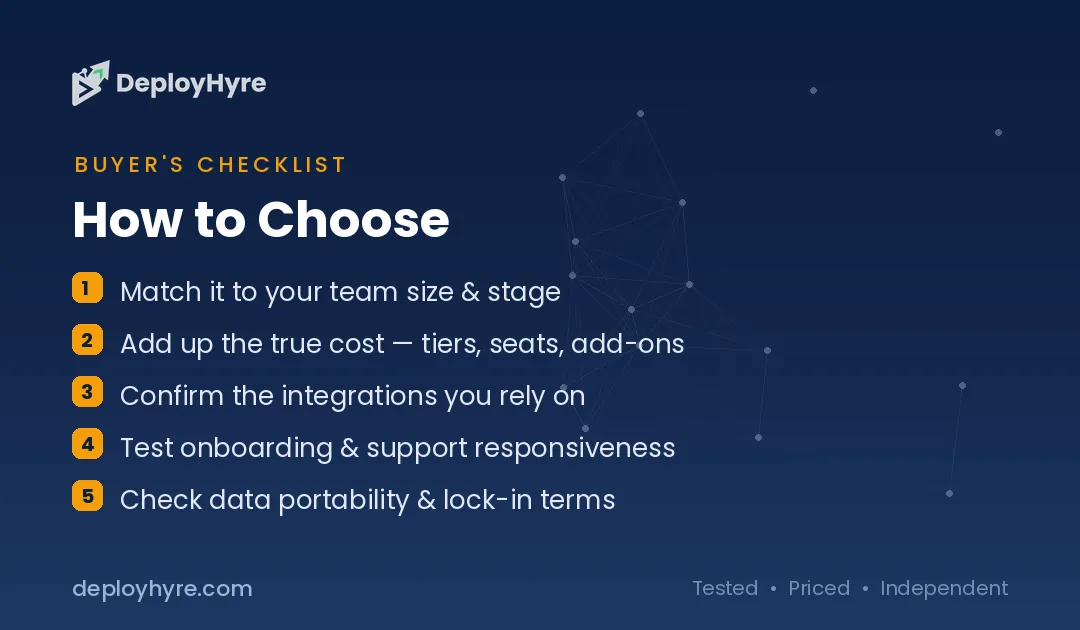
Cloudways vs DigitalOcean: Which Should You Choose?
Your choice comes down to skills, time, and budget. Here is a quick guide by user type.
Choose Cloudways if you:
-
Run WordPress, WooCommerce, or client sites
-
Want managed hosting without server work
-
Value 24/7 expert support and one-click tools
-
Run an agency and need team access and easy handoffs
-
Prefer backups, staging, and migration built in
Choose DigitalOcean if you:
-
Are a developer or DevOps engineer
-
Want raw cloud servers at the lowest price
-
Need full control over the whole stack
-
Build custom apps, APIs, or Kubernetes clusters
-
Are comfortable managing security and updates yourself
Most beginners and agencies win with Cloudways. Most developers and cost-focused teams win with DigitalOcean.
The Bottom Line
Cloudways and DigitalOcean are not really rivals in the usual sense. Cloudways is a managed layer that often runs on DigitalOcean’s own hardware. So the choice is about how much work you want to do.
Pick Cloudways for ease, support, and time saved. Pick DigitalOcean for control, flexibility, and the lowest cost. Both are strong. The right fit depends on your skills.
Frequently Asked Questions
Is Cloudways just DigitalOcean with a markup?
Cloudways runs on DigitalOcean’s infrastructure, so you often use the same hardware. But you pay more for a managed layer that adds a control panel, backups, staging, security, and 24/7 support. The markup buys convenience, not just servers.
Is DigitalOcean cheaper than Cloudways?
Yes. DigitalOcean Droplets start at $4 per month, while the matching Cloudways plan starts at $11 per month. DigitalOcean is cheaper because you manage the server yourself. Cloudways charges more for handling that work for you.
Do I need coding skills to use DigitalOcean?
Yes, for most tasks. DigitalOcean hands you a bare server, so you install and configure the web server, database, and security yourself. It rewards Linux and DevOps skills. Cloudways is the better pick if you want to avoid the command line.
Can I move from Cloudways to DigitalOcean later?
Yes. Because Cloudways can run on DigitalOcean hardware, you can migrate an app to a self-managed Droplet if you gain the skills. The move takes technical work, but the underlying stack is familiar, which eases the transition.
Which is better for WordPress hosting?
Cloudways is better for most WordPress users. It offers one-click installs, tuned caching, automated backups, staging, and app-level support. DigitalOcean can host WordPress well, but only if you configure and secure the stack yourself.
Know AI, SaaS, or cloud tools inside out? Pitch a guest post and get in front of thousands of buyers researching their next tool.

David Austin is a technology writer and software analyst at DeployHyre, where he covers AI tools, SaaS platforms, cloud hosting, and business automation. He focuses on hands-on comparisons of pricing, features, and real-world performance so teams can pick the right software with confidence.