TL;DR: Remote wins for global full-time hiring. It owns legal entities in 85+ countries and builds IP protection into every contract, with EOR from about $599 per employee monthly. Rippling wins for US-heavy teams that want HR, IT, and device management in one system. It starts near $8 per user monthly, but most modules need a custom quote. Pick by where your team lives.
Building a global team is now the default, not the exception. In a Multiplier report, nearly 60% of UK hiring leaders expect most 2026 hires to come from outside their home country, as employers compete for scarce talent. That shift makes your HR platform a strategic choice, not a back-office line item.
Two names lead most shortlists: Remote and Rippling. They look similar on the surface. Both hire, pay, and manage workers across borders. Underneath, they solve different problems.
This guide compares Remote vs Rippling on pricing, coverage, compliance, IT, and support. Every price and stat links to a real source. By the end, you will know which platform fits your company. If you want the wider landscape first, see our roundup of the best AI tools for HR.
Quick Comparison: Remote vs Rippling
| Feature | Remote | Rippling |
|---|---|---|
| EOR price | From ~$599/employee/mo (annual) | ~$499–$599/employee/mo + $8 base |
| Contractor price | From ~$29/contractor/mo | Quote-based; ~$8+/user base |
| Owned entities | 85+ countries | ~32–40 countries |
| Core HRIS | Solid, global-first | Strong, US-first HCM |
| IT / device management | Limited | Full MDM (Mac, Windows, iOS) |
| Global coverage | 80–90+ EOR, 180+ contractor | 185+ pay, 32 direct EOR |
| Integrations | Standard HR stack | 650+ apps |
| Best for | Global compliance depth | US HR + IT in one system |
How Do Remote and Rippling Differ in Focus?
Remote is an owned-entity Employer of Record built for compliant global hiring. Rippling is a unified workforce platform that runs HR, IT, and Finance from one system. Remote goes deep on cross-border employment. Rippling goes wide across your whole operations stack.
Remote picks a lane and owns it. It exists to hire, pay, and manage employees in countries where you have no legal entity. Everything points at compliant global employment.
Rippling takes the opposite approach. It ties employee data to payroll, benefits, apps, and devices. When you hire someone, Rippling can order a laptop, grant software access, and run payroll from the same record.
That single difference drives everything else. Remote is a specialist. Rippling is a suite. Your choice depends on whether depth or breadth matters more to you.
How Do Remote and Rippling Price Their Plans?
Remote uses simple flat pricing: EOR from about $599 per employee monthly on annual billing, and contractors from about $29 monthly. Rippling starts near $8 per user monthly for its base, but payroll, benefits, IT, and EOR are all add-on modules priced by quote.
Remote keeps pricing readable. Remote EOR starts at $599 per employee per month on annual billing, or $699 on monthly billing. Contractor management starts at $29 per active contractor monthly. There is no deposit required.
Rippling is harder to pin down. Rippling’s platform starts at $8 per user per month, but that is just the base. Payroll, benefits, and IT each add cost on top.
For global hiring, the two land close. Rippling EOR runs about $499 to $599 per employee monthly plus the base fee. Rippling also charges one-time implementation fees from $1,500 to $20,000 depending on company size.
The real difference is transparency. Remote shows you the number. Rippling often needs a sales call and a custom quote.
Which Platform Has Deeper Global Coverage and Compliance?
Remote has the deeper compliance moat. It owns legal entities in 85+ countries and employs your workers directly, with no partner in the chain. Rippling advertises broad reach but owns entities in only about 32 to 40 countries, using third-party partners for the rest.
Owned entities matter for risk. When Remote is the legal employer, one company handles your contracts, taxes, and compliance. Remote operates through 100% owned entities in 85+ countries, with contractor coverage in 180+ countries.
Rippling covers more countries on paper. It can pay workers in 185+ countries and delivers direct EOR in about 32 countries. For the rest of its EOR reach, Rippling relies on partner providers.
Partners add a link to the chain. That can slow support and blur accountability when a compliance question comes up in a tricky market.
Remote also protects your intellectual property. Remote IP Guard assigns work product to your company from contract day one, which matters if you hire engineers or designers abroad. Both platforms hold SOC 2 Type 2 and ISO 27001 certifications.
If you are also weighing the market leader, read our Deel vs Remote breakdown.
How Do They Compare on US HR, HRIS, and Benefits?
Rippling wins on US HR depth. It is a full HCM built US-first, with rich benefits administration, org management, and native payroll. Remote covers US HR competently, but its core strength stays global. For a US-centric team, Rippling’s HRIS feels more complete.
Rippling started as a US HR and IT platform. That heritage shows. Its benefits administration, org charts, and workflow automation are mature and flexible.
Rippling scores 4.8 out of 5 on G2 with usability at 9.6 out of 10. Reviewers praise having everything consolidated in one place.
Remote handles US employment well, but it built its reputation abroad. Its HRIS is solid and clean. It just does not try to be the deep US HCM that Rippling is.
For a company running most of its headcount in the US, Rippling’s HR layer will feel richer. For a company hiring mostly overseas, that depth matters less.
Why Is Rippling Stronger on IT and Device Management?
Rippling is far stronger on IT. It includes full mobile device management for Mac, Windows, and iOS, plus app provisioning and identity access control tied to employee records. Remote does not offer native device management. This is Rippling’s clearest advantage over Remote.
This is where the platforms separate hard. Rippling connects HR to IT in one system. When you hire someone, Rippling can ship a configured laptop and grant app access automatically.
Rippling IT manages Mac, Windows, iOS, and iPadOS devices with policy controls for encryption and OS updates. It also offers 650+ integrations across business, security, and identity apps.
The device links to the employee record. Offboard someone, and Rippling flags their laptop for return and revokes app access. That closes a real security gap.
Remote does not compete here. It is an employment platform, not an IT suite. If unified HR and IT is your goal, Rippling stands alone between these two.
How Do Remote and Rippling Handle Payroll and Payments?
Both run global payroll well. Remote pays employees and contractors in 180+ countries with a low FX spread and no deposit. Rippling pays in 185+ countries and 50+ currencies in one workflow. Remote is simpler; Rippling ties payroll to its broader financial and IT stack.
Remote keeps payroll straightforward. It pays workers across 180+ countries and runs an FX spread around 0.5% to 1% above mid-market rates. There is no upfront deposit, which helps cash flow.
Rippling pays in 185+ countries and 50+ currencies in one workflow. Its payroll connects to benefits, expenses, and device costs inside the same platform.
The gap is philosophy, not capability. Remote gives you clean global payroll. Rippling gives you payroll wired into your finance operations. For payroll depth alone, compare picks in our AI payroll software guide.
How Do Integrations and Automation Compare?
Rippling leads on integrations and automation. Its 650+ app connections and rule-based workflows automate onboarding, provisioning, and offboarding across HR, IT, and Finance. Remote offers standard HR integrations and a clean API, but it does not match Rippling’s automation depth or breadth.
Rippling’s automation engine is a core selling point. You can build rules that trigger across systems. Hiring, provisioning, and payroll can fire from one event.
Remote integrates with the usual HR and accounting tools and exposes a developer API. It covers what most global teams need. It just does not aim to be the automation hub Rippling is.
If your goal is a single system that automates work across departments, Rippling wins. If you want reliable employment plus normal integrations, Remote is enough.
Which Platform Offers Better Customer Support?
Remote earns stronger support marks for speed and simplicity. Users praise fast, clear responses and easy setup. Rippling has a broader feature set, but its support is more mixed, with a low first-contact resolution rate that means issues often need multiple follow-ups.
Support quality tracks product scope. Remote does fewer things, so its support stays focused. Reviewers highlight quick answers and painless onboarding.
Rippling does more, and complexity has a cost. G2 notes a 36% first-contact resolution rate for Rippling, meaning many tickets need follow-ups. Its quality of support still scores a respectable 9.3 out of 10.
For a lean team without an IT admin, Remote’s simplicity is a real advantage. For a larger team with internal support staff, Rippling’s depth is worth the extra effort.
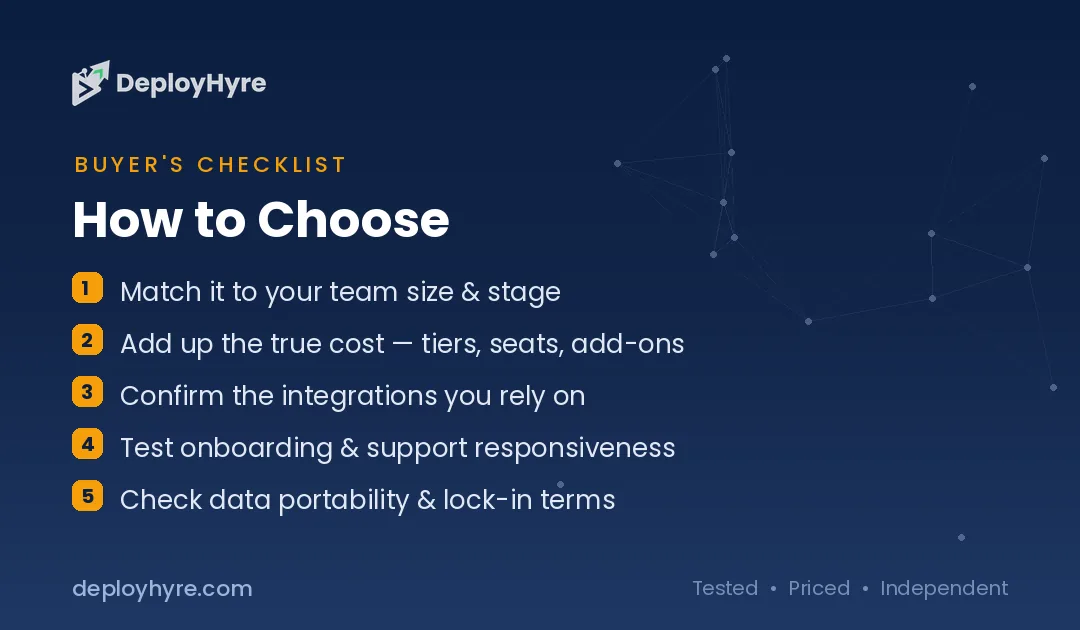
Remote vs Rippling: Which Should You Choose?
Your best pick depends on where your people work and what you need to manage.
Choose Remote if you hire full-time employees globally. You want owned-entity compliance, built-in IP protection, transparent pricing, and fast support. Remote is the safer choice for cross-border employment at scale. It is also strong for lean teams that value simplicity over feature count.
Choose Rippling if your team is US-centric and you want HR plus IT in one system. You get a deep HCM, full device management, 650+ integrations, and automation across departments. Rippling suits mid-market companies that want to consolidate tools and can absorb quote-based pricing and setup fees.
A simple rule: pick Remote for global employment depth, and Rippling for unified US operations. If you are also comparing Rippling to the market leader, see our Deel vs Rippling analysis.
The Bottom Line
Remote and Rippling both do good work, but they win different races.
Remote is the specialist. It owns entities in 85+ countries, protects your IP, prices clearly, and supports you fast. For global full-time hiring, it is our pick.
Rippling is the suite. It unifies HR, IT, and Finance, manages devices, and automates across your stack. For US-centric teams that want one system, it is hard to beat.
Match the tool to your team. Global-first companies should start with Remote. US-first companies wanting HR plus IT should start with Rippling.
Frequently Asked Questions
Is Remote or Rippling cheaper?
It depends on your use case. Remote lists EOR from about $599 per employee monthly and contractors from $29 monthly, with no deposit. Rippling starts near $8 per user monthly for its base, but payroll, benefits, IT, and EOR are add-on modules. Rippling also charges one-time implementation fees, so total cost is often higher and less predictable.
Does Rippling offer Employer of Record like Remote?
Yes, Rippling offers EOR, but its structure differs from Remote. Rippling owns legal entities in about 32 to 40 countries and uses third-party partners for the rest of its coverage. Remote owns entities in 85+ countries and is the direct legal employer everywhere it operates, which removes partners from the compliance chain.
Which platform is better for global hiring?
Remote is generally better for global full-time hiring. Its owned-entity model in 85+ countries gives you deeper compliance and clearer accountability. It also builds IP protection into every contract. Rippling can hire globally too, but its owned-entity footprint is smaller and much of its reach depends on partners.
Can Remote manage laptops and IT like Rippling?
No. Remote is an employment platform and does not offer native device or IT management. Rippling includes full mobile device management for Mac, Windows, and iOS, plus app provisioning and identity access control tied to employee records. If unified HR and IT matters to you, Rippling is the clear choice.
Which has better customer support, Remote or Rippling?
Remote generally earns stronger support marks. Users praise its fast responses and simple setup. Rippling has a broader feature set but a more mixed support record, including a first-contact resolution rate around 36%, so issues often require multiple follow-ups. Lean teams tend to prefer Remote’s simplicity.
Know AI, SaaS, or cloud tools inside out? Pitch a guest post and get in front of thousands of buyers researching their next tool.
Related Articles

David Austin is a technology writer and software analyst at DeployHyre, where he covers AI tools, SaaS platforms, cloud hosting, and business automation. He focuses on hands-on comparisons of pricing, features, and real-world performance so teams can pick the right software with confidence.