Hostinger is the best DreamHost alternative for most sites in 2026. It starts at $2.99 per month, delivers faster load times in independent tests, and includes more sites on its entry plan. Cloudways is the best pick for teams tired of renewal games, and Kinsta is the upgrade path for high-traffic WordPress sites.
Coming from Namecheap? Compare more hosts in our Namecheap alternatives guide.
DreamHost looks cheap until year two. Shared Starter signs you up at $2.89 per month, then renews at $10.99 per month, an increase of about 280 percent. Shared Unlimited follows the same script, moving from $3.95 to $12.99 per month at renewal. Only long multi-year terms soften the jump, and locking in for four years is its own cost.
DreamHost remains a solid host with a 97-day money-back guarantee and free migrations. But the web hosting market is projected to grow from $88.41 billion to $320.62 billion by 2030, and that competition means better speed or fairer pricing is always one migration away. We tested seven DreamHost competitors on price, renewal honesty, performance, and support. Start with our guide to the best cloud hosting providers for the full landscape, then use this list to replace DreamHost.
Table of Contents
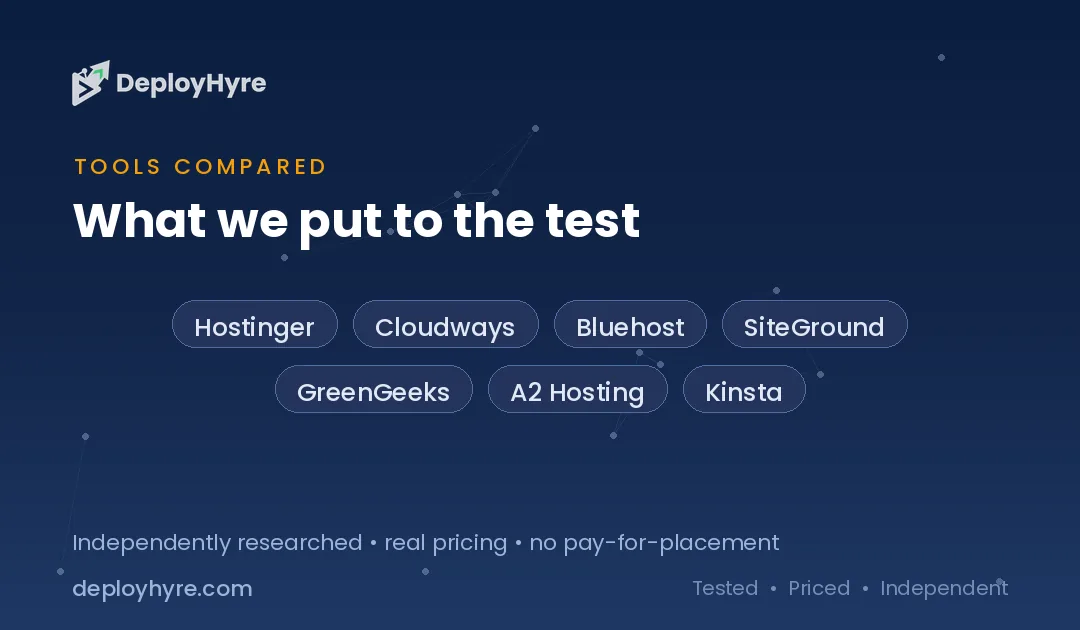
Quick Comparison: Top 7 DreamHost Alternatives
| Host | Best For | Intro Price | Renewal Price |
|---|---|---|---|
| Hostinger | Best overall value | $2.99/mo | $11.99/mo |
| Cloudways | No renewal games | $14/mo flat | $14/mo (no change) |
| Bluehost | WordPress beginners | $1.99/mo | $8.99/mo |
| SiteGround | Support quality | $2.99/mo | $17.99/mo |
| GreenGeeks | Eco-friendly hosting | $2.95/mo | $11.95/mo |
| A2 Hosting | Cheap speed (Turbo) | $2.99/mo | Higher on renewal |
| Kinsta | High-traffic WordPress | $35/mo | $35/mo (no change) |
Why Switch From DreamHost?
Site owners leave DreamHost for three reasons: renewal prices that roughly triple the intro rate, middling speed against newer LiteSpeed-based rivals, and support that leans on chat and tickets with no phone option.
The renewal math is the main event. At month-to-month or one-year terms, Shared Starter renews at $10.99 per month, and only a four-year commitment holds the price near $7.99. Paying four years upfront to dodge a renewal spike ties up cash and locks you in before you know how the host performs under your real traffic.
Performance is the quieter issue. DreamHost runs its own custom stack and skips cPanel, which is fine, but independent speed tests routinely place LiteSpeed-based hosts and managed cloud platforms ahead of it on time to first byte. If you have outgrown shared hosting entirely, our best VPS hosting guide covers the next tier up. If you just want a fairer bill, the seven hosts below fix that.
The 7 Best DreamHost Alternatives
1 Hostinger: Best Overall Value
Hostinger is the volume leader in budget hosting, pairing low prices with LiteSpeed servers and a modern control panel.
What it does well. Hostinger's Premium plan costs $2.99 per month at signup and renews at $11.99, and it includes up to 100 websites against DreamHost Starter's one. LiteSpeed caching, built-in AI site tools, and the hPanel dashboard make it faster and easier to run day to day. The renewal jump is real, but you get more sites, more speed, and weekly backups for a similar renewal bill.
Key features:
- LiteSpeed web servers with LSCache
- Up to 100 websites on the entry plan
- Free domain, SSL, and weekly backups
- hPanel control panel with AI assistant
- Global data centers on four continents
Pricing. From $2.99 per month on a 48-month term, renewing at $11.99. See hostinger.com.
Best for: Owners of one to many small sites who want the most capacity per dollar.
Limitations. The lowest price requires a four-year term, and phone support is not offered. We break down its rivals in our Hostinger alternatives guide.
2 Cloudways: Best for No Renewal Games
Cloudways is managed cloud hosting with one honest price that never jumps at renewal.
What it does well. Cloudways charges $14 per month, month to month, forever. There is no intro discount and no renewal spike, which makes it the direct antidote to DreamHost's pricing script. You get a managed DigitalOcean, Vultr, or AWS server with staging, backups, and 24/7 support, and you can scale the server up without replatforming.
Key features:
- Flat monthly pricing with no renewal increase
- Choice of DigitalOcean, Vultr, AWS, or GCE underneath
- One-click staging, cloning, and backups
- Server-level caching stack preinstalled
- Pay-as-you-go scaling by server size
Pricing. From $14 per month for a 1 GB DigitalOcean server. See cloudways.com.
Best for: Growing sites and agencies that value predictable bills and real server resources.
Limitations. No email hosting or domain registration included, so you manage those separately. See how it stacks up in Cloudways vs DigitalOcean.
3 Bluehost: Best for WordPress Beginners
Bluehost is the WordPress.org-recommended veteran with the lowest entry price on this list.
What it does well. Bluehost starts at $1.99 per month and renews at $8.99, one of the smallest renewal bills among mainstream shared hosts. The onboarding wizard installs WordPress, picks a theme, and configures basics in minutes. For a first site, it removes more friction than DreamHost's custom panel.

Key features:
- Guided WordPress onboarding and AI site builder
- Free domain for the first year
- Renewal price under $9 on the entry plan
- 24/7 phone and chat support
- Integrated staging on WordPress plans
Pricing. From $1.99 per month, renewing at $8.99. See bluehost.com.
Best for: First-time WordPress users who want phone support and a gentle renewal curve.
Limitations. Upsells during checkout are persistent, and raw performance trails LiteSpeed-based rivals. Compare it directly in Hostinger vs Bluehost.
4 SiteGround: Best Support in Shared Hosting
SiteGround pairs Google Cloud infrastructure with the most praised support team in shared hosting.
What it does well. SiteGround's StartUp plan costs $2.99 per month at signup and runs on Google Cloud with its own SuperCacher stack. Support answers chat in under a minute in our experience, and its custom Site Tools panel is clean and fast. The catch is the steepest renewal on this list at $17.99 per month.
Key features:
- Google Cloud infrastructure with SSD storage
- SuperCacher and built-in CDN
- Daily backups kept 30 days
- Top-rated 24/7 chat support
- Free email hosting at your domain
Pricing. From $2.99 per month, renewing at $17.99. See siteground.com.
Best for: Site owners who will pay a premium at renewal for fast, competent human support.
Limitations. The $17.99 renewal is higher than DreamHost's, so it fixes the support problem, not the pricing one. Our SiteGround alternatives guide covers the exits if that stings.
5 GreenGeeks: Best Eco-Friendly Host
GreenGeeks matches DreamHost's price bracket while offsetting three times its energy use with renewable credits.
What it does well. GreenGeeks starts at $2.95 per month and renews around $11.95, nearly identical to DreamHost's curve, but adds LiteSpeed servers, free nightly backups, and a free CDN. The company purchases renewable energy credits worth three times the power its platform consumes, a real differentiator for sustainability-minded brands.
Key features:
- LiteSpeed servers with LSCache
- 300 percent renewable energy match
- Free nightly backups and CDN
- Unlimited sites on the Pro plan
- Free migration service
Pricing. From $2.95 per month, renewing near $11.95. See greengeeks.com.
Best for: Small businesses that want DreamHost-level pricing with a sustainability story and faster servers.
Limitations. Renewal prices still triple the intro rate, and data centers are limited to North America and Europe.
6 A2 Hosting: Best Cheap Speed
A2 Hosting sells raw speed on a budget through its Turbo tier and tuned LiteSpeed stack.
What it does well. A2's shared plans start at $2.99 per month, and its Turbo plans claim up to 20 times faster page loads via LiteSpeed and NVMe storage. Developers get SSH, free site migrations, and any-time money-back terms. For performance per dollar on shared hosting, it beats DreamHost's stack.
Key features:
- Turbo tier with LiteSpeed and NVMe drives
- Free migrations on all plans
- Developer-friendly SSH and staging access
- Any-time money-back guarantee
- 24/7 support including phone
Pricing. From $2.99 per month on long terms, with higher renewal rates by plan. See a2hosting.com.
Best for: Budget buyers who rank raw speed above interface polish.
Limitations. The fastest Turbo plans cost meaningfully more, and the dashboard feels dated next to Hostinger's hPanel.
7 Kinsta: Best Premium Upgrade for WordPress
Kinsta is managed WordPress hosting on Google Cloud's premium tier for sites that have outgrown shared hosting.
What it does well. Kinsta charges $35 per month with no renewal increase and runs every site on Google Cloud C2 machines with Cloudflare Enterprise in front. Staging, daily backups, and expert WordPress-only support are standard. Sites moving from DreamHost shared plans routinely see time to first byte drop by half or more.
Key features:
- Google Cloud C2 compute with Cloudflare Enterprise
- Free staging and daily backups
- WordPress-specialist 24/7 support
- Application performance monitoring built in
- No intro-versus-renewal pricing games
Pricing. From $35 per month for one WordPress site. See kinsta.com.
Best for: Revenue-generating WordPress sites where speed and uptime justify a premium bill.
Limitations. WordPress only, and visit-based limits mean traffic spikes can push you up a tier. See our best managed WordPress hosting guide for the full tier.
How Should You Choose the Right DreamHost Alternative?
Choose by what pushed you off DreamHost: Hostinger for value, Cloudways or Kinsta to end renewal jumps, Bluehost for beginner support, SiteGround for service quality, and GreenGeeks for sustainability at the same price.
Run four checks before you migrate:
- Price year three, not month one. Add intro term cost plus two renewal years. DreamHost Starter costs about $298 over three years on a one-year term. Bluehost costs about $240. Cloudways costs $504 but never surprises you.
- Match the plan to your site count. One site fits any host here. Five sites rule out single-site entry plans and favor Hostinger or GreenGeeks Pro.
- Test speed during the guarantee window. Every host here offers at least 30 days of refund coverage. Migrate one site, benchmark it, and keep the receipt.
- Check what is really included. DreamHost bundles email on Unlimited only, and Cloudways and Kinsta do not include email at all. Budget $1 to $3 per mailbox if you switch to a host without it.
How We Evaluated These Hosts
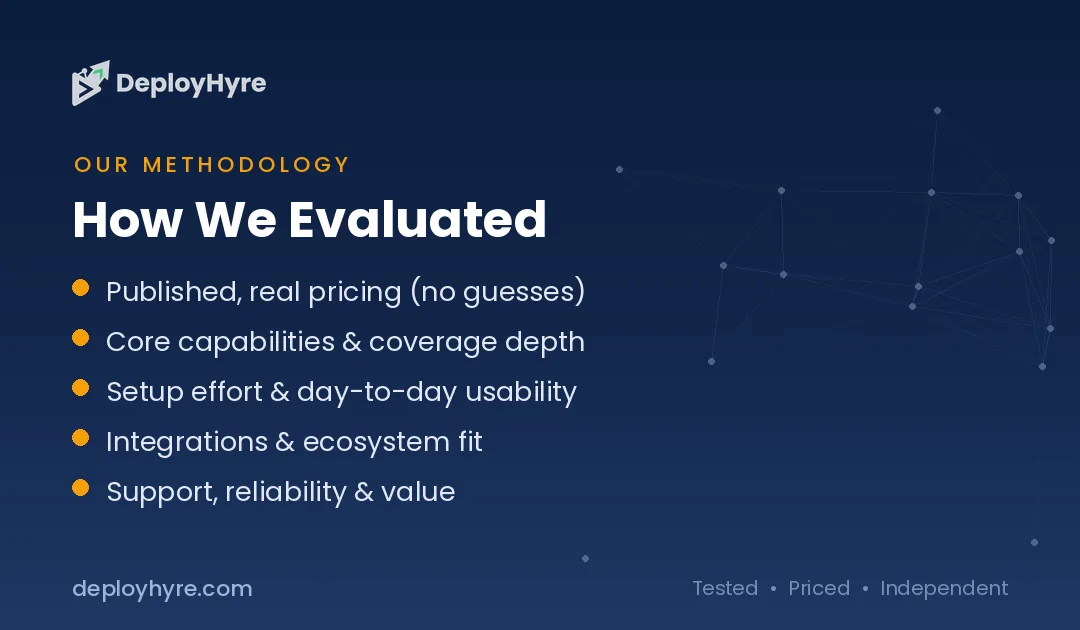
We compared each host on intro and renewal pricing, three-year total cost, server stack, included features like backups and email, support channels, and independent performance test results from dated 2026 sources.
We weighted renewal honesty and three-year cost most heavily because renewal shock is the top reason readers search for DreamHost alternatives. Every price links to the vendor's published price sheet or a dated third-party analysis such as Cybernews' DreamHost pricing breakdown. Prices reflect August 2026 promotional rates on the longest standard term unless noted, and they change often, so confirm before buying.
The Bottom Line
Hostinger replaces DreamHost for most people: similar renewal bill, faster LiteSpeed servers, and 100 sites instead of one. Pick Cloudways if you never want to think about renewal pricing again, Bluehost if you want the cheapest long-term shared bill with phone support, and Kinsta when a serious WordPress site deserves serious infrastructure.
Migrate during the refund window, benchmark before and after, and cancel DreamHost only once DNS has fully propagated. For the broader market view, our guides to the best cloud hosting providers and best DigitalOcean alternatives cover the adjacent decisions.

Frequently Asked Questions
What is the best DreamHost alternative?
Hostinger is the best DreamHost alternative in 2026 for most sites. It matches DreamHost's renewal bill within a dollar while including up to 100 websites, LiteSpeed servers, and weekly backups. Cloudways is the better pick if you want flat pricing with no renewal increase.
Why is DreamHost so much more expensive at renewal?
DreamHost prices intro terms as loss leaders. Shared Starter signs up at $2.89 per month and renews at $10.99, an increase of about 280 percent. Only a four-year prepaid term keeps the renewal near $7.99, which trades the price jump for a long lock-in.
Is Hostinger better than DreamHost?
Hostinger beats DreamHost on server speed, site allowance, and control panel design, with LiteSpeed caching and up to 100 sites on its $2.99 entry plan. DreamHost counters with a 97-day money-back guarantee and month-to-month billing. For most users, Hostinger delivers more for a similar renewal price.
Which DreamHost alternative has no renewal price increase?
Cloudways and Kinsta both charge flat monthly prices that never rise at renewal. Cloudways starts at $14 per month for managed cloud hosting, and Kinsta starts at $35 per month for premium managed WordPress. Every shared host on this list raises prices after the intro term.
How do I migrate away from DreamHost?
Pick the new host, use its free migration service or a plugin to copy your site, and preview it on a staging URL. Then lower your DNS TTL, point the domain at the new host, and confirm traffic has moved. Keep DreamHost active until the new setup runs clean for a week, then cancel.
Related Articles


David Austin is a technology writer and software analyst at DeployHyre, where he covers AI tools, SaaS platforms, cloud hosting, and business automation. He focuses on hands-on comparisons of pricing, features, and real-world performance so teams can pick the right software with confidence.
Know AI, SaaS, or cloud tools inside out? Pitch a guest post and get in front of thousands of buyers researching their next tool.
Pitch your idea →