Table of Contents
Claude Code and OpenAI’s Codex CLI are the two leading terminal-native coding agents of 2026. Both live in your command line, both start at $20 per month, and both can run autonomously across a codebase. But they optimize for different things, and the right pick depends on whether you value code quality or raw efficiency more.
We compared Claude Code and Codex on benchmarks, pricing, token efficiency, architecture, and workflow fit. This guide gives you a clear framework, sourced numbers, and an honest verdict.
Quality vs Efficiency: The Core Trade-off
Both agents are excellent, and both run from the terminal with autonomous execution. The difference is philosophy: Claude Code optimizes for getting the code right, Codex optimizes for getting more done per token. That single trade-off drives every comparison below.
Claude Code vs Codex: Quick Comparison
| Factor | Claude Code | Codex CLI |
|---|---|---|
| Maker | Anthropic | OpenAI |
| SWE-bench Verified | 80.9% (top score) | Lower |
| Terminal-Bench 2.0 | 65.4% | 77.3% (leads) |
| Blind quality win rate | 67% vs Codex | 33% |
| Token efficiency | Burns faster | ~4x fewer tokens |
| Context window | Up to 1M tokens | GPT-powered |
| Sandboxing | Application-layer hooks | OS kernel level |
| Entry price | $20/mo | $20/mo |
What Is the Difference Between Claude Code and Codex?
Architecturally they protect against different threat models. Codex CLI enforces sandboxing at the OS kernel level, while Claude Code relies on application-layer hooks. Both are valid approaches; the right one depends on your security posture and how much autonomy you grant the agent.
Benchmarks: Where Each Agent Leads
The split is clear and consistent across independent testing: Claude Code is the better software engineer, Codex is the better terminal operator. If your work is application code and refactors, Claude Code’s quality edge matters most. If your work is shell scripting and infrastructure, Codex’s terminal strength wins.
Winner: Claude Code for code quality; Codex for terminal and DevOps tasks.
Pricing and Token Efficiency
Claude Code runs through Claude subscriptions, with Pro at $20/mo and Max at $100/mo for heavier use and Opus access. Codex CLI is available through OpenAI plans starting at $20/mo. For heavy users, Codex’s token efficiency is a real cost advantage, while Claude Code’s quality can justify the higher spend on critical work.

For details, see our Claude Code pricing guide.
Winner: Codex for cost efficiency; Claude Code for value on high-stakes work.
Capabilities and Workflow
Claude Code’s large context window lets it ingest and reason about big codebases in a single session, which is powerful for migrations and cross-file refactors. Codex’s efficiency and computer-use capability make it strong for autonomous, repetitive operations. Compare both against the field in our best AI coding tools guide and our Cursor vs Claude Code comparison.
Honest Trade-offs
Claude Code limitations. It consumes tokens quickly, so heavy users hit rate limits and may need the $100/mo Max plan. It trails Codex on pure terminal tasks and uses application-layer rather than kernel-level sandboxing.
Codex CLI limitations. Code quality occasionally needs manual cleanup, it scores lower on SWE-bench, and it loses most blind quality comparisons to Claude Code despite its efficiency advantage.
Which Should You Choose? A Decision Framework
Choose Claude Code if: code quality is your top priority, you work on complex codebases, you do significant frontend development, or you need a large context window for cross-file reasoning. Accept higher token use and earlier rate limits.
Choose Codex CLI if: efficiency and speed matter most, you do DevOps-heavy or terminal-native work, you want open-source flexibility, or you run long autonomous tasks. Accept that quality may sometimes need cleanup.
Use both if: you ship production software where the stakes justify around $40/month and switching tools. Use Claude Code for high-quality application work and Codex for efficient terminal and DevOps automation.
How We Compared Claude Code and Codex
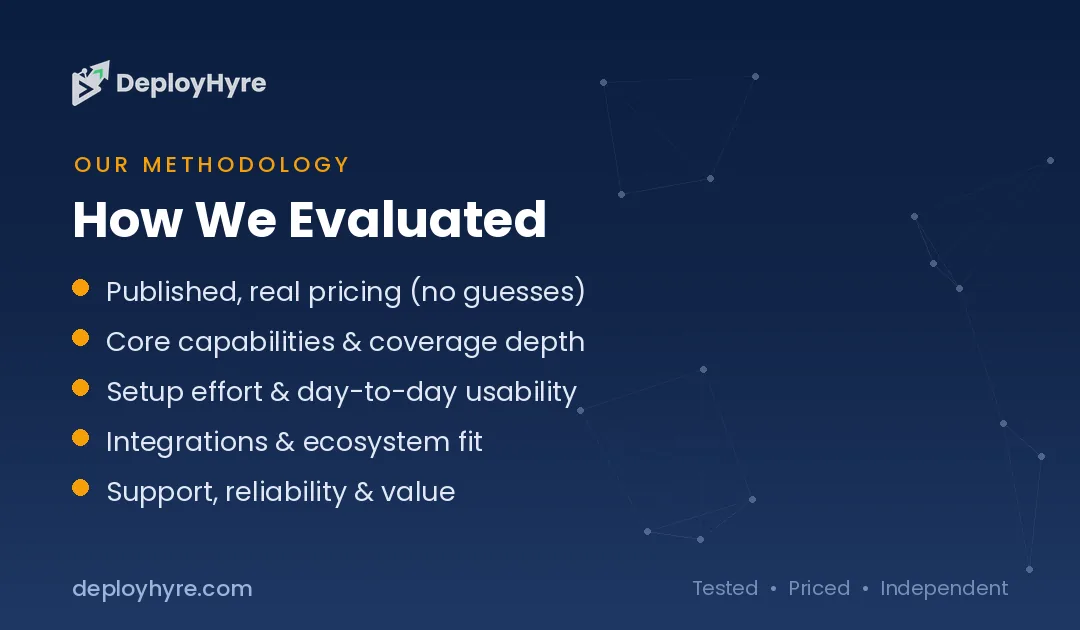
We evaluated both agents using published pricing, vendor documentation, and independent benchmarks including SWE-bench Verified, Terminal-Bench 2.0, blind quality tests, and token-efficiency measurements. We focused on outcomes that matter: code quality, cost, terminal strength, and autonomy. Details reflect information published as of June 2026 and may change as both tools update frequently.
The Bottom Line
Claude Code and Codex CLI are the two best terminal coding agents in 2026, and they win on opposite axes. Claude Code is the better software engineer, leading on code quality and SWE-bench. Codex CLI is the better terminal operator, leading on efficiency and DevOps tasks. Choose by your dominant work, or run both if you ship serious production software.
Next, read our best AI coding tools guide or compare Cursor vs Claude Code.
Frequently Asked Questions
Is Claude Code better than Codex?
For code quality, yes. Claude Code scores 80.9% on SWE-bench Verified, the highest of any coding agent, and wins 67% of blind quality comparisons against Codex. However, Codex CLI leads on terminal tasks and uses about 4x fewer tokens, so it is better for efficiency and DevOps work.
Which uses fewer tokens, Claude Code or Codex?
Codex CLI uses roughly 4x fewer tokens than Claude Code for equivalent tasks. This efficiency means Codex stretches a budget further and hits rate limits later, while Claude Code burns through token limits faster in exchange for higher code quality.
How much do Claude Code and Codex cost?
Both start at $20 per month. Claude Code runs through Claude Pro at $20 or Max at $100 per month for heavier use and Opus access. Codex CLI is available through OpenAI plans from $20 per month. Real cost depends on token usage, where Codex is more efficient.
Which is better for DevOps, Claude Code or Codex?
Codex CLI is better for DevOps. It leads Terminal-Bench 2.0 at 77.3% versus Claude Code’s 65.4%, handling scripting, system administration, and infrastructure tasks more reliably. It also enforces kernel-level sandboxing, which suits autonomous system operations.
Can I use both Claude Code and Codex?
Yes, and many teams do. For production software where stakes justify around $40 per month, using Claude Code for high-quality application work and Codex for efficient terminal and DevOps automation captures the strengths of both agents.

David Austin is a technology writer and software analyst at DeployHyre, where he covers AI tools, SaaS platforms, cloud hosting, and business automation. He focuses on hands-on comparisons of pricing, features, and real-world performance so teams can pick the right software with confidence.
Know AI, SaaS, or cloud tools inside out? Pitch a guest post and get in front of thousands of buyers researching their next tool.