TL;DR: Xero is solid, but it is not the best fit for everyone. Our top pick is QuickBooks Online for its deep feature set and accountant support. FreshBooks wins for freelancers, and Wave is the best free option. People leave Xero over invoice caps on cheap plans, US payroll gaps, and rising prices. This guide ranks 7 alternatives with real pricing.
The small business accounting software market is worth around $15.8 billion in 2026 and keeps growing fast. That means more choice than ever. Xero built its name on unlimited users and clean design, but it is not perfect.
The biggest gripe? The entry-level Early plan caps you at 20 invoices and 5 bills a month. Freelancers hit that wall quickly. Others want stronger US payroll, cheaper plans, or a free tier.
We compared 7 real Xero alternatives on price, features, and fit. Each one is a live product you can sign up for today. Here is how they stack up.
If you want the broader picture first, read our AI for finance guide before you pick a tool.
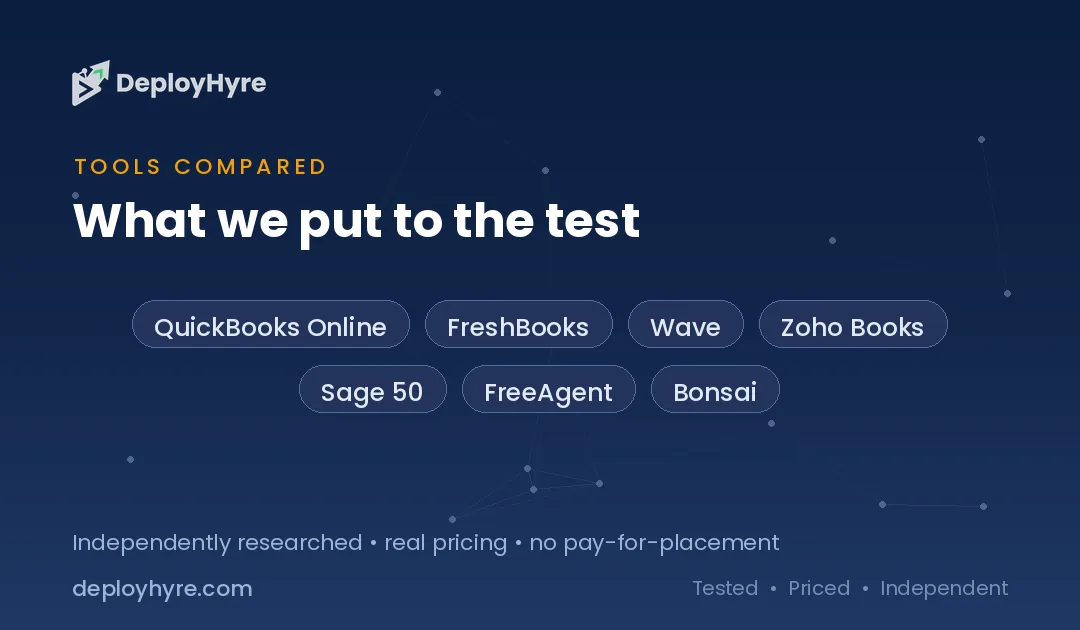
Quick Comparison: Xero Alternatives
| Tool | Best For | Starting Price | Key Strength |
|---|---|---|---|
| QuickBooks Online | Overall US small business | $38/mo (Simple Start) | Deepest feature set + accountant network |
| FreshBooks | Freelancers and service pros | $23/mo (Lite) | Best-in-class invoicing and time tracking |
| Wave | Budget and startups | Free (Starter) | Free accounting and invoicing forever |
| Zoho Books | Growing teams in an ecosystem | Free / $20/mo (Standard) | Free tier plus Zoho app suite |
| Sage 50 | Inventory and desktop needs | $29.08/mo (Pro) | Strong inventory and job costing |
| FreeAgent | UK sole traders and contractors | £19/mo (Sole Trader) | Included payroll and MTD-ready |
| Bonsai | Freelancers who need an all-in-one | $15/user/mo (Basic) | Contracts, CRM, and books in one app |
Why Look for a Xero Alternative?
Most people leave Xero because the cheap plan caps invoices, US payroll is weaker than rivals, and prices keep climbing. The Early plan blocks you at 20 invoices a month, which chokes any busy freelancer.
Xero also does not run payroll natively in the US the way QuickBooks does. You bolt on Gusto instead. And like most SaaS tools, the base price has crept up over the years. If any of those hurt, a switch makes sense.
The good news: the alternatives below fix at least one of those pain points, and often several.
#1 QuickBooks Online: Best for overall US small business
QuickBooks Online is the market leader and the most direct Xero alternative for US businesses.
What it does well. QuickBooks covers nearly every accounting need out of the box. It has the largest network of accountants and bookkeepers trained on it, so finding help is easy. Native US payroll, deep reporting, and thousands of app integrations make it a safe long-term pick.
Key features:
-
Native US payroll add-on
-
Mileage and expense tracking
-
750+ reports on higher tiers
-
Huge accountant and bookkeeper network
-
Bank feeds and rule-based categorization
Pricing. QuickBooks Online runs from $38/mo for Simple Start up to $275/mo for Advanced, with a $20/mo Solopreneur plan for freelancers. Note that plans charge per seat, unlike Xero’s unlimited users.
Best for: US small businesses that want depth and easy access to expert help.
Limitations. It costs more than Xero at similar tiers, and per-user pricing adds up for bigger teams. The interface can feel busy for beginners.
Want a head-to-head first? Read our QuickBooks vs Xero breakdown.
#2 FreshBooks: Best for freelancers and service pros
FreshBooks was built for people who bill by the hour or by the project.
What it does well. FreshBooks makes invoicing and time tracking feel effortless. The client experience is polished, with easy online payments and automatic late reminders. It is the go-to for consultants, agencies, and creative freelancers who want clean books without accounting jargon.
Key features:
-
Best-in-class invoicing and estimates
-
Built-in time tracking
-
Client portal and online payments
-
Automatic expense capture
-
Project profitability views
Pricing. FreshBooks starts at $23/mo for the Lite plan, which covers up to 5 billable clients. Each plan is single-user, and extra team members cost about $11/mo each.
Best for: Freelancers and service businesses that live inside invoices and timesheets.
Limitations. It is weaker on inventory and complex accounting than Xero. Client and user caps on lower plans can force an upgrade.
#3 Wave: Best for budget and startups
Wave is the strongest free Xero alternative on the market.
What it does well. Wave gives you real double-entry accounting, unlimited invoicing, and expense tracking for free. There is no trial clock and no invoice cap on the core tools. For a brand-new business watching every dollar, that is hard to beat.
Key features:
-
Free accounting and invoicing
-
Unlimited invoices and estimates
-
Online payments (pay-as-you-go fees)
-
Basic reporting and receipts
-
Optional paid payroll add-on
Pricing. Wave’s Starter plan is permanently free, and the Pro plan is $16/mo for receipt scanning, bank imports, and priority support. Payment processing and payroll are separate costs.
Best for: Startups, side hustles, and micro-businesses that need free books.
Limitations. It lacks the advanced reporting and integrations of Xero. Support is thinner on the free plan, and it suits smaller operations best.
#4 Zoho Books: Best for growing teams in an ecosystem
Zoho Books is a full accounting suite that plugs into the wider Zoho app family.
What it does well. Zoho Books balances a genuine free tier with strong automation as you scale. If you already use Zoho CRM, Projects, or Inventory, everything talks to each other. Workflow rules and a client portal make it feel more capable than its price suggests.
Key features:
-
Free plan for very small businesses
-
Deep automation and workflow rules
-
Native Zoho ecosystem integration
-
Client portal and recurring invoices
-
Multi-currency on paid tiers
Pricing. Zoho Books offers a free plan for businesses under $50K revenue, with the Standard plan at $20/mo (or $15/mo billed annually). Higher tiers run up to $275/mo.
Best for: Growing teams already invested in the Zoho ecosystem.
Limitations. The free plan caps users and invoices. Getting the most out of it usually means adopting more Zoho apps.
#5 Sage 50: Best for inventory and desktop needs
Sage 50 is a long-established platform strong on inventory and job costing.
What it does well. Sage 50 handles complex inventory, purchase orders, and project tracking that lighter tools skip. It pairs desktop reliability with cloud connectivity, which appeals to businesses that want local control plus backups. Reporting depth is a real strength.
Key features:
-
Advanced inventory management
-
Job and project costing
-
Automated purchase orders
-
Multi-user support on higher tiers
-
Desktop plus cloud access
Pricing. Sage 50 starts at $29.08/mo for Pro (single user) billed annually, with Premium at $45.75/mo and Quantum at $124.92/mo. Prices vary by billing term.
Best for: Product businesses that need serious inventory and costing.
Limitations. The interface feels dated next to Xero. It leans desktop-first, so it is heavier than modern cloud-only tools.
#6 FreeAgent: Best for UK sole traders and contractors
FreeAgent is a UK favorite built around contractors, sole traders, and small limited companies.
What it does well. FreeAgent bakes in payroll and stays ready for Making Tax Digital, which UK users care about. It handles self-assessment prep, expenses, and time tracking in one clean interface. Certain UK banks even give it away with a business account.
Key features:
-
Payroll included in every plan
-
Making Tax Digital ready
-
Self-assessment and tax timeline
-
Time tracking and expenses
-
Free with some UK bank accounts
Pricing. FreeAgent charges £19/mo for sole traders, £27/mo for partnerships, and £33/mo for limited companies, often with 50% off for six months. NatWest and RBS customers can use it free.
Best for: UK contractors and small companies who want tax tools built in.
Limitations. It is UK-focused, so it fits US businesses poorly. Feature depth trails Xero for larger or multi-entity firms.
#7 Bonsai: Best for freelancers who need an all-in-one
Bonsai combines accounting with contracts, proposals, and a CRM for solo pros.
What it does well. Bonsai bundles the whole freelance back office into one app. You send proposals, sign contracts, track time, invoice, and manage light books without stitching tools together. For a one-person business, that saves real money and hassle.
Key features:
-
Contracts, proposals, and e-signatures
-
Built-in CRM and client management
-
Invoicing and expense tracking
-
Time and task tracking
-
Basic accounting and tax tools
Pricing. Bonsai starts at $15/user/mo for Basic, with Essentials at $25 and Premium at $39 on monthly billing. Annual billing lowers those rates.
Best for: Freelancers who want contracts, CRM, and books in a single tool.
Limitations. Its accounting is lighter than dedicated tools like Xero. It is not built for teams or complex bookkeeping.
How to Choose a Xero Alternative
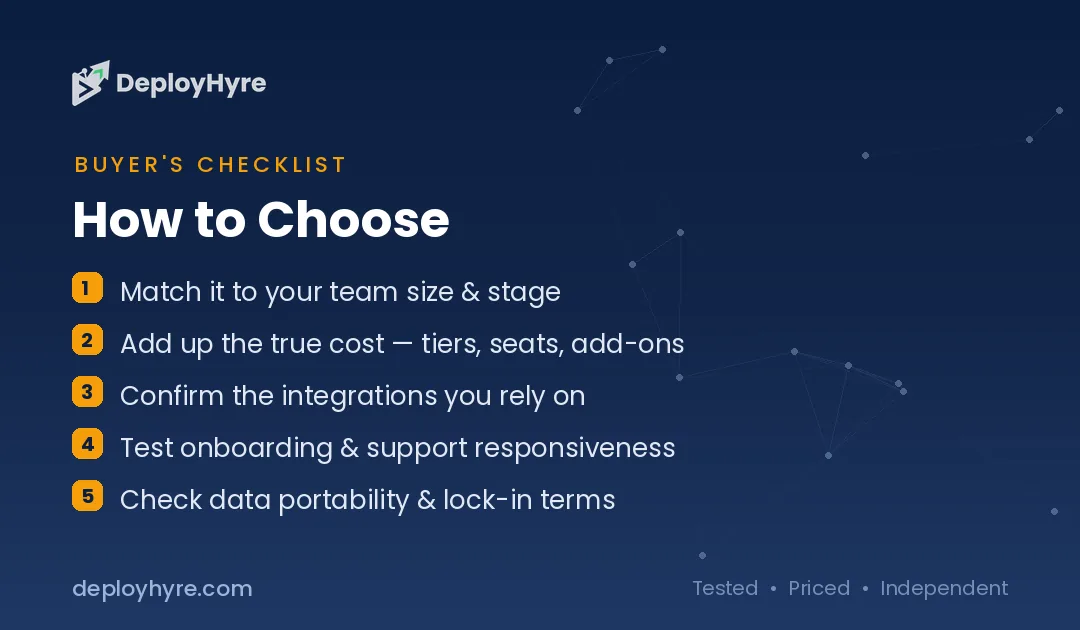
Pick your tool by matching its strengths to your biggest pain point, not by feature count. Start with what pushed you away from Xero, then narrow from there.
Ask yourself a few questions:
-
Are you a freelancer? FreshBooks or Bonsai fit best.
-
Do you need it free? Wave, then Zoho Books.
-
Want the deepest US toolset? QuickBooks Online.
-
Sell physical products? Sage 50 for inventory.
-
Based in the UK? FreeAgent.
Also weigh pricing model. Xero and Zoho include unlimited users on paid plans, while QuickBooks and FreshBooks charge per seat. For a growing team, that difference adds up fast.
Finally, check migration support and whether your accountant already knows the tool. For more options in the same category, see our QuickBooks alternatives roundup.
The Bottom Line
There is no single best Xero alternative, only the best one for your situation. QuickBooks Online is our overall winner for US businesses that want depth and easy expert help. FreshBooks owns the freelancer space, and Wave is the clear free choice.
Most of these tools offer a free trial or a free tier, so testing costs nothing but time. Match the tool to your pain point, run your real invoices through it for a week, and commit once it clicks.
Ready to switch? Start with our top pick below.
Frequently Asked Questions
What is the best free alternative to Xero?
Wave is the best free Xero alternative. It offers real double-entry accounting, unlimited invoicing, and expense tracking at no cost, with no trial clock. Zoho Books also has a free plan for businesses under $50K in revenue, though it caps users and invoices.
Is QuickBooks better than Xero?
It depends on your needs. QuickBooks Online has a deeper feature set, native US payroll, and a bigger network of trained accountants. Xero offers unlimited users on every paid plan and a cleaner interface. US businesses often prefer QuickBooks, while Xero suits teams that want simple per-plan pricing.
Why do people switch from Xero?
The most common reasons are invoice caps on the cheap Early plan (20 invoices a month), weaker native US payroll, and rising subscription prices. Freelancers hit the invoice limit fast, and US users often want built-in payroll that Xero does not provide directly.
What is the cheapest Xero alternative?
Wave is the cheapest because its core accounting and invoicing are free forever. Among paid tools, Bonsai starts at $15 per user per month and Zoho Books Standard is $15 per month billed annually, both below Xero’s entry price.
Which Xero alternative is best for freelancers?
FreshBooks is best for most freelancers thanks to top-tier invoicing and time tracking. Bonsai is a strong pick if you also need contracts, proposals, and a CRM in one app. Both cost less than a full accounting suite and fit solo, service-based work.
Know AI, SaaS, or cloud tools inside out? Pitch a guest post and get in front of thousands of buyers researching their next tool.

David Austin is a technology writer and software analyst at DeployHyre, where he covers AI tools, SaaS platforms, cloud hosting, and business automation. He focuses on hands-on comparisons of pricing, features, and real-world performance so teams can pick the right software with confidence.