
Shopify wins for sellers who want to launch fast and never touch a server, while WooCommerce wins for those who want full ownership, deep content/SEO control, and a cost that scales with revenue instead of a fixed monthly fee. The two platforms answer the same question, “how do I sell online?”, in opposite ways: Shopify is a fully hosted, all-in-one service you rent, and WooCommerce is a free, open-source plugin that turns a WordPress site you own into a store. Which one is “better” depends almost entirely on whether you’d rather pay for convenience or invest in control.
A quick sourcing note: every price below is a band, not a quote. Shopify publishes fixed plan prices that shift with promotions and billing term; WooCommerce itself is free, but its real cost is assembled from hosting, extensions, and payment fees that vary widely by vendor. We cite public pricing pages and treat any figure as an estimate that can change, always confirm current numbers before you buy.
Quick Comparison: Shopify vs WooCommerce at a Glance
| Tool | Best For | Entry Price | Note |
|---|---|---|---|
| Shopify | Fast launch, non-technical sellers, multi-channel retail | From ~$29/mo (Basic, billed annually; ~$39/mo month-to-month) | Hosting, security, and SSL are included; third-party payment gateways add a 2% fee unless you use Shopify Payments |
| WooCommerce | Control, content-led SEO, WordPress users, cost that scales with revenue | Plugin is free; real cost ~$10 to $40/mo hosting + extensions | You own the store, but you assemble and maintain the stack yourself; total cost of ownership often lands ~$500 to $3,000/yr |
What an Ecommerce Platform Actually Does
An ecommerce platform is the software layer that handles everything between a shopper clicking “add to cart” and money landing in your account: product catalog and inventory, a checkout that captures payment securely, order and shipping management, tax calculation, and the storefront design that wraps it all. The best platforms also plug into marketing tools, analytics, and increasingly a stack of best AI tools for ecommerce that automate merchandising, support, and product content.
The difference between Shopify and WooCommerce is not what they do, both cover the full list above, but who owns and maintains the machinery. Shopify runs the servers, patches the security, and guarantees the checkout works; you rent access. WooCommerce hands you the parts and the blueprint; you (or your host) run the machine. That single architectural choice cascades into every cost, capability, and constraint that follows.
The Real Trade-off: Hosted Simplicity vs Open-Source Control
Shopify is a hosted SaaS platform: one monthly bill covers hosting, security, updates, and support, and you trade flexibility for a system that simply works out of the box. WooCommerce is an open-source plugin for WordPress: the software costs nothing, but you assemble hosting, a theme, extensions, and payment processing yourself, paying only for the pieces you choose. The headline of “free vs $29/mo” is misleading, the honest comparison is total cost of ownership against how much control and maintenance you want.
| Factor | Shopify (Hosted) | WooCommerce (Self-Hosted) |
|---|---|---|
| Core cost | From ~$29/mo (Basic, annual) up through Grow (~$79/mo) and Advanced (~$299/mo) | Plugin free; you pay for hosting (~$10 to $40/mo typical), theme, and extensions |
| Payment fees | 2.9% + 30¢ online via Shopify Payments; +2% if you use a third-party gateway | 2.9% + 30¢ via WooPayments/Stripe; no platform surcharge for other gateways |
| Hosting & security | Included and managed for you | Your responsibility (or your host’s), updates, backups, SSL, uptime |
| Setup effort | Low, live in a day, no code | Moderate, WordPress setup plus store configuration |
| Customization | Themes + app store; deeper changes need Liquid/Shopify dev | Near-unlimited, open source, full code and database access |
| Content & SEO | Good, but blogging is basic and URL structure is fixed | Best-in-class, full WordPress CMS, control over every URL and tag |
| Ongoing maintenance | Shopify handles it | You handle plugin updates, compatibility, and performance |
| Ownership | You rent the platform; data export is possible but you don’t control the stack | You own the site, the database, and the code outright |
Best for Fast Launch & Non-Technical Sellers
Winner: Shopify. If you want to be selling this week without touching hosting, DNS, or a line of code, nothing beats Shopify. You pick a plan, choose a theme, add products, switch on Shopify Payments, and you are live, security, SSL, PCI compliance, and server uptime are all handled for you. The Basic plan starts at roughly $29/mo billed annually (about $39/mo month-to-month), and that single fee removes an entire category of technical worry.
Shopify Payments charges 2.9% + 30¢ per online card transaction on Basic, with lower rates on higher tiers. The one fee to watch: if you route payments through an external gateway instead of Shopify Payments, Shopify adds a transaction fee of up to 2% on top of your processor’s rate, a deliberate nudge to keep you inside its ecosystem. For a non-technical merchant, that trade is usually worth it, because Shopify’s managed checkout and built-in multi-channel selling (POS, social, marketplaces) remove friction that would otherwise eat far more than 2% in developer time. Pair it with AI-assisted tooling like AI product description generators and a small catalog can look professional in an afternoon.
Best for Control, Content & SEO
Winner: WooCommerce. Because WooCommerce runs on WordPress, the CMS behind a huge share of the web, it inherits the most powerful content and SEO toolkit in ecommerce. You control every URL, meta tag, redirect, and schema detail; you can publish a genuine editorial blog alongside your store; and plugins like Rank Math or Yoast give granular optimization that Shopify’s fixed URL structure and lighter blogging engine can’t match. For a business whose growth engine is content, buyer’s guides, comparisons, organic search, that control is decisive.
Ownership is the other half of the story. With WooCommerce you hold the database, the code, and the customer relationships outright; no platform can change your terms, restrict an integration, or gate a feature behind a higher tier. The trade is responsibility: you choose and maintain your stack, from ecommerce hosting to extensions to backups. The plugin is free and WooPayments/Stripe processes cards at the familiar 2.9% + 30¢, with no platform surcharge for using an alternative gateway, so your recurring cost is hosting (commonly $10 to $40/mo for a small-to-midsize store) plus whatever paid extensions you genuinely need. Serious catalogs often add AI inventory management software to keep stock and forecasting under control as the SKU count climbs.
Best for Budget & Scale
Winner: It depends, and that’s the honest answer. On a shoestring, WooCommerce can be the cheaper start: the plugin is free and a lean store on budget hosting can run for well under $200/year before payment fees. But “free plugin” is not “free store.” Once you add managed hosting, a premium theme, a handful of paid extensions, and maintenance, a professional small WooCommerce store commonly lands in the $500 to $3,000/year range, and the effort of running it is a real cost too.
Shopify’s pricing is more predictable: Basic (~$29/mo annual), Grow (~$79/mo), and Advanced (~$299/mo), with lower Shopify Payments processing rates as you move up. That fixed, all-inclusive bill is easy to budget and scales cleanly through six or seven figures of revenue without you touching infrastructure. WooCommerce scales differently, its cost tracks the stack you build, so a high-traffic store may need pricier hosting and a developer, but you’re never paying a platform margin on top of your own success. The budget winner is whoever values their inputs correctly: count your time and maintenance as real money, and the gap narrows fast.
How Should You Choose Between Shopify and WooCommerce?
Start with your relationship to technology. If you never want to think about hosting, security patches, or plugin conflicts, and you’d rather spend your hours on products and marketing, Shopify’s rented, all-in-one model is worth every dollar of its monthly fee. The convenience is not a luxury; it’s a genuine reduction in risk and distraction for a non-technical founder.
Then weigh your growth strategy. If organic search and content marketing are how you plan to win, WooCommerce’s full WordPress CMS and total URL control give you a structural advantage that’s hard to replicate on a hosted platform. If instead your growth comes from paid ads, social selling, and multi-channel retail, Shopify’s built-in channels and frictionless checkout do more for you out of the box.
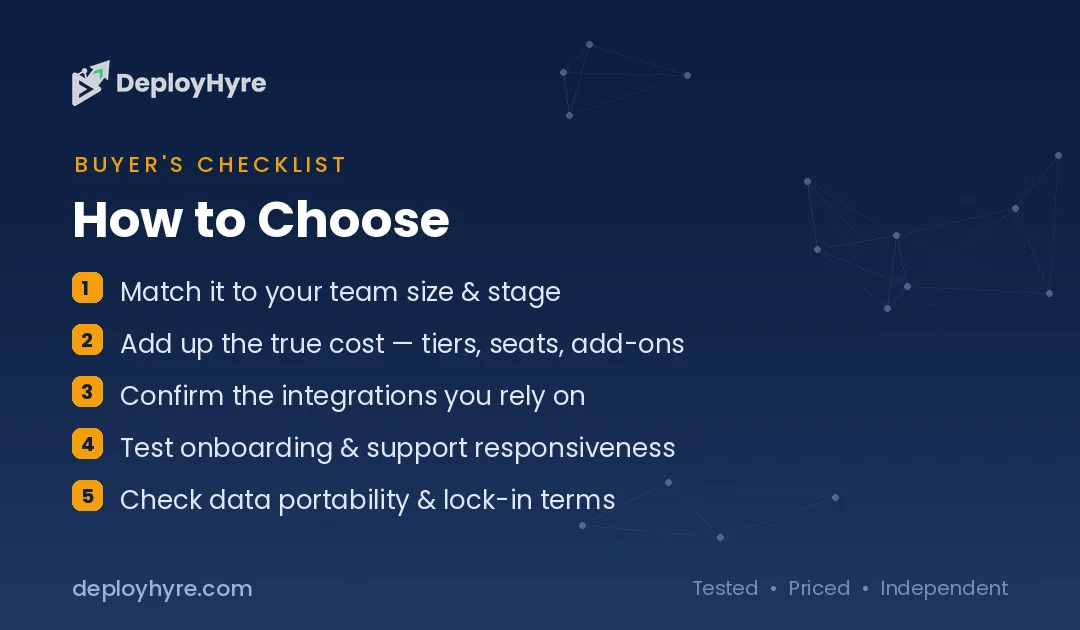
Finally, be honest about cost and control. WooCommerce can be cheaper and gives you outright ownership, but only if you (or someone you pay) will maintain it. Shopify costs more in fixed fees and takes a slice through payment rules, but it removes maintenance entirely. Neither is objectively “better”, the right pick is the one whose trade-off matches how you actually want to run your business.
How We Evaluated Shopify and WooCommerce
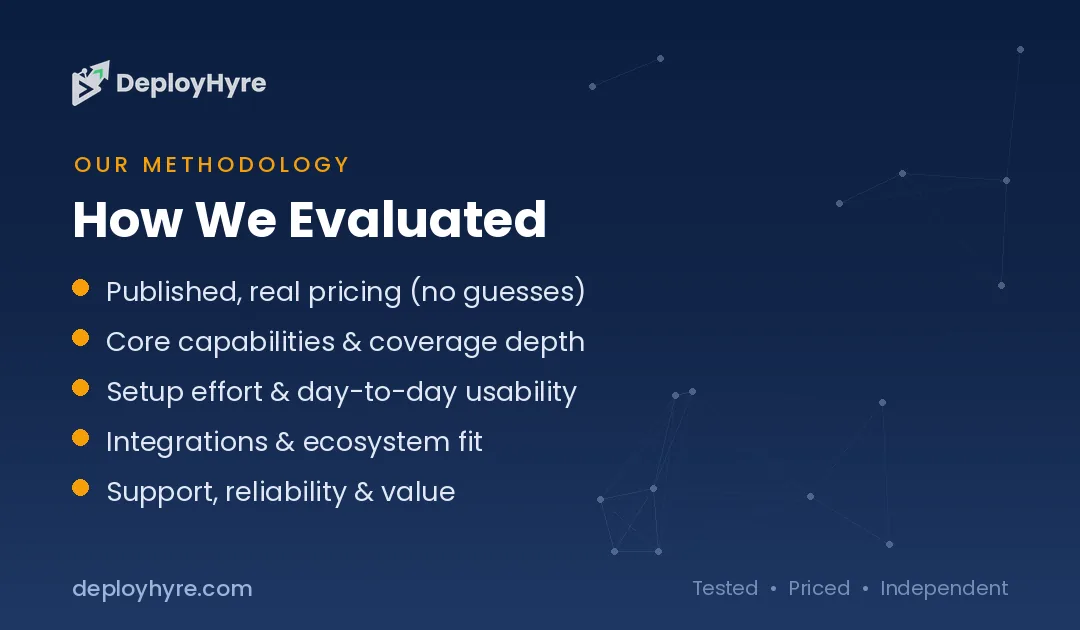
We compared the two platforms on the factors that decide real-world outcomes: total cost of ownership (not just headline price), payment processing and fees, setup effort, customization ceiling, content and SEO control, ongoing maintenance burden, and ownership of your store and data. Pricing was drawn from each vendor’s public pricing pages and current documentation, then treated as a band because plan prices shift with promotions and billing terms, and WooCommerce’s true cost is assembled from third-party hosting and extensions that vary by provider.
We accept no payment for placement or ranking, and no vendor influenced this verdict. Where a number could not be confirmed from a primary source, we labeled it an estimate or a range rather than presenting it as fixed. The goal is a decision framework you can trust, one that tells you which platform fits your situation, not which one pays us most.
The Bottom Line
Choose Shopify if you value speed, simplicity, and a predictable all-in-one bill; choose WooCommerce if you value ownership, content/SEO control, and a cost that scales with revenue. Shopify is the safer default for most non-technical sellers who want to launch fast and stay focused on selling, starting around $29/mo billed annually, with hosting and security handled. WooCommerce is the stronger choice for content-led, SEO-driven, or control-hungry stores willing to assemble and maintain their own stack on top of a free plugin. Match the platform to how you actually want to work, and either one can build a business that lasts.
Frequently Asked Questions
Is WooCommerce really free compared to Shopify?
The WooCommerce plugin is free, but a working store is not. You still pay for hosting (commonly $10 to $40/mo for small-to-midsize stores), a theme, paid extensions, and payment processing fees. Realistically, a professional small store lands around $500 to $3,000/year. Shopify bundles hosting and security into a fixed fee from about $29/mo billed annually, making its total cost more predictable but not necessarily higher.
How much does Shopify cost per month?
Shopify’s public pricing shows Basic from roughly $29/mo billed annually (about $39/mo month-to-month), Grow around $79/mo, and Advanced around $299/mo, with an enterprise Plus tier far above that. Higher plans include lower Shopify Payments processing rates. Treat these as bands, prices shift with promotions and billing term, so confirm current figures on Shopify’s pricing page before committing.
Which platform is better for SEO and content marketing?
WooCommerce generally wins for content-led SEO because it runs on WordPress, the most flexible CMS for blogging and on-page optimization. You control every URL, meta tag, redirect, and schema element, and can pair it with tools like Rank Math or Yoast. Shopify has solid built-in SEO and is perfectly rankable, but its fixed URL structure and lighter blogging engine give you less granular control.
What are the transaction fees on each platform?
Both process online card payments at roughly 2.9% + 30¢ through their native gateways (Shopify Payments and WooPayments/Stripe). The key difference: Shopify adds a transaction fee of up to 2% if you use a third-party gateway instead of Shopify Payments, while WooCommerce charges no platform surcharge for using an alternative processor. Rates vary by plan, region, and card type, so verify current figures.
Can I switch from Shopify to WooCommerce later, or vice versa?
Yes. Migration tools and services can move products, customers, and orders between the two platforms, and many merchants start on Shopify for speed then move to WooCommerce for control (or the reverse). Expect some manual work on theme rebuilding, URL redirects to protect SEO, and re-configuring payments. Plan the migration carefully, sloppy redirects are the most common way stores lose organic traffic during a switch.
Related Articles



The DeployHyre Editorial Team writes buyer guides on AI tools, SaaS, cloud hosting and proxies. We compare tools using published pricing, official documentation and third-party reviews. All content is for educational and informational purposes only.