TL;DR: Paychex and ADP are both quote-based, enterprise-capable payroll and HR platforms. Paychex wins for small and midsize businesses that want strong PEO and personal service at a lower base cost. ADP wins for companies that need the broadest scale, deepest reporting, and global payroll across 140+ countries. Match the provider to your size and growth plans.
Payroll runs deep in the U.S. economy. ADP alone pays roughly 1 in 6 U.S. workers and more than 42 million people worldwide, while Paychex pays about 1 in 12 U.S. private sector employees. When two providers touch this much of the workforce, picking between them is not simple. Both handle payroll, taxes, HR, and benefits. Both hide their pricing behind a sales quote. This guide breaks down where each one actually earns your business.
Before you commit, it also helps to know which tools automate the busywork. Our guide to the best AI tools for HR shows where automation saves the most time.
Quick Comparison: Paychex vs ADP
| Feature | Paychex | ADP |
|---|---|---|
| Pricing model | Custom quote (no public rates) | Custom quote (no public rates) |
| Base/per-employee estimate | ~$39-$95/mo base + ~$3-$5/employee* | ~$79/mo base + ~$4/employee* (RUN) |
| Payroll | Full-service, automated tax filing | Full-service, automated tax filing |
| HR & benefits | Strong, dedicated specialist access | Broad, deep at enterprise tier |
| PEO | Very strong (2.5M+ worksite employees) | Available (ADP TotalSource) |
| Scalability | SMB to mid-market focus | SMB to global enterprise |
| Integrations | Solid accounting and app marketplace | Largest partner marketplace |
| Best for | Small/midsize businesses, PEO buyers | Fast-growing, complex, or global teams |
*Estimates from third-party sources, not official vendor pricing. Both providers quote per business.
How Do Paychex and ADP Compare on Pricing and Transparency?
Neither Paychex nor ADP publishes real pricing, so both require a sales quote. Third-party estimates put Paychex Flex around $39 to $95 per month plus $3 to $5 per employee, and ADP RUN near $79 per month plus $4 per employee. Treat these as estimates only.
The real cost lives in add-ons. Time tracking, benefits administration, 401(k), and multi-state payroll all raise the bill. ADP often carries a higher sticker at the enterprise tier. Paychex tends to start lower for small teams. Both may charge setup or per-run fees, so always get an itemized quote in writing.
Transparency is a common frustration with both. Neither posts a full price sheet, and quotes can vary based on your location, headcount, and how hard you negotiate. Ask each rep to list every recurring fee, every per-run charge, and any contract termination penalty before you sign. A five-minute request for a line-item quote can save you real money over a multi-year contract.
Which Handles Payroll and Tax Filing Better?
Both providers run full-service payroll with automated federal, state, and local tax filing, so the core function is close to a tie. They calculate withholdings, file taxes, handle year-end forms like W-2s and 1099s, and support direct deposit. Each also offers a tax-filing accuracy guarantee.
The difference shows in edge cases. ADP’s scale means mature handling of multi-state and complex tax situations at the enterprise level. Paychex offers the same essentials with responsive support that smaller teams often prefer. For most standard payrolls, you will not notice a gap. Want to see how automation is reshaping this space? Read our take on AI payroll software.
Which Offers Stronger HR and Benefits?
ADP offers deeper HR and benefits at the enterprise tier, while Paychex delivers strong HR with easier access to a dedicated specialist. Both provide benefits administration, health insurance brokerage, retirement plans, and HR support tools.
Paychex is known for pairing clients with a named payroll and HR contact, which small businesses value. ADP’s HR suite scales further, with advanced analytics, compliance tools, and talent management that large organizations lean on. If you want a human to call, Paychex has an edge. If you want the deepest HR toolset, ADP pulls ahead as you grow.
Which Wins on PEO and Compliance?
Paychex has a standout PEO offering, supporting more than 2.5 million worksite employees, while ADP delivers PEO through its well-regarded TotalSource product. A PEO co-employs your staff so the provider handles HR, benefits, workers’ comp, and compliance under its own umbrella.
Paychex built major PEO scale, partly through its Oasis acquisition, and it markets PEO heavily to growing SMBs. ADP TotalSource brings enterprise-grade compliance and access to large-group benefits pricing. Both help you offload compliance risk. Paychex is often the value pick for SMB PEO. ADP suits companies that want PEO backed by a global giant.
Which Scales Better for SMB, Enterprise, and Global Teams?
ADP scales the furthest, serving more than 1.1 million clients across 140+ countries, including over 80% of the Fortune 500, while Paychex focuses on small and midsize businesses. Paychex serves roughly 740,000 clients mostly in the U.S. and Europe.
If you plan to hire abroad or expect to cross into enterprise territory, ADP’s global payroll reach is hard to match. Paychex is built to serve the small-to-mid market extremely well and can grow with a company into the low thousands of employees. Choose based on where your headcount is heading, not just where it sits today.
Which Has Better Integrations?
ADP has the largest integration marketplace, but Paychex covers the essentials most businesses need. ADP connects to a vast list of accounting, ERP, time-tracking, and benefits platforms through its partner marketplace, which matters for complex tech stacks.
Paychex integrates cleanly with popular accounting tools like QuickBooks and Xero, plus common HR and productivity apps. For a typical small or midsize business, Paychex’s integrations are enough. For enterprises running many connected systems, ADP’s breadth is the safer bet. If you are weighing other options too, our Gusto vs ADP comparison covers a lighter-weight alternative.
Which Is Easier to Use?
Paychex Flex is generally seen as simpler for small teams, while ADP’s platforms grow more complex as you add modules. Paychex Flex offers a clean dashboard and a mobile app that self-service users navigate quickly.
ADP RUN is friendly for small businesses, but ADP Workforce Now, aimed at larger firms, has more features and a steeper learning curve. That complexity is the price of ADP’s depth. If ease matters most and your needs are straightforward, Paychex tends to feel lighter. If you need power and can invest in setup, ADP rewards the effort.
Which Offers Better Support?
Paychex is frequently praised for its dedicated-specialist model, while ADP offers 24/7 support with broader resources but a more call-center feel. Small businesses often single out Paychex for having a consistent point of contact who knows their account.
ADP counters with round-the-clock availability, a huge knowledge base, and specialized teams for complex issues. Neither approach is objectively better. It depends on whether you value a personal relationship (Paychex) or always-on scale and resources (ADP). Read recent user reviews for your business size before deciding.
One tip: ask each provider how support changes as you scale. Some clients report that the dedicated-contact experience shifts once headcount grows, so confirm what service tier your quote actually includes.
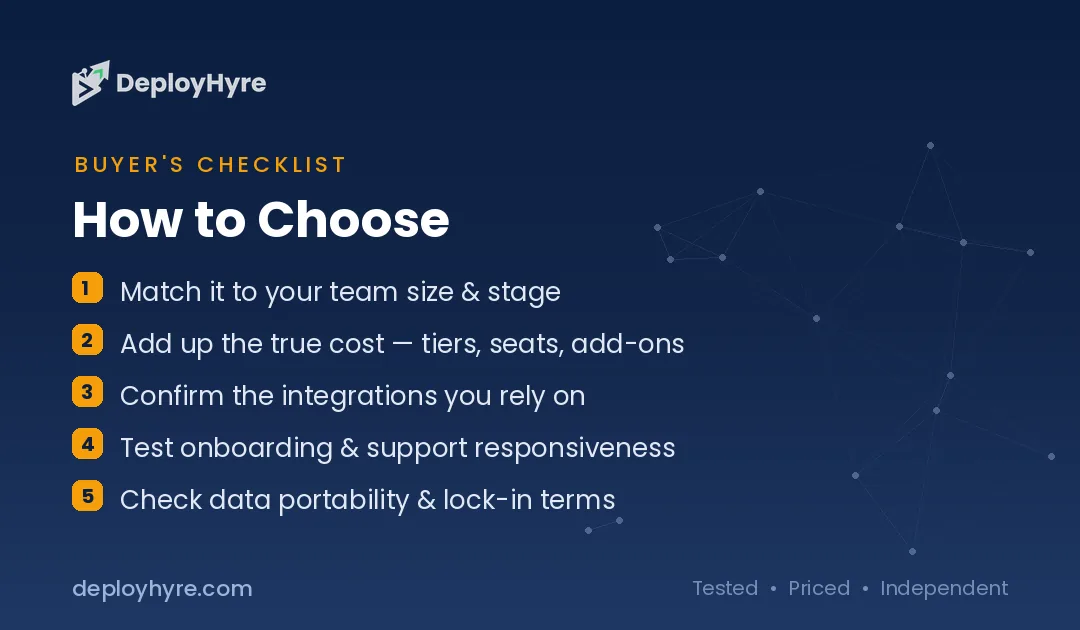
Paychex vs ADP: Which Should You Choose?
Choose by company size and growth plans. Here is a simple breakdown.
-
Micro and small businesses (1-20 employees): Paychex Flex or ADP RUN both work. Paychex often starts cheaper and gives you a dedicated contact. ADP RUN is a strong, familiar choice if you value the brand and 24/7 support.
-
Midsize businesses (20-200 employees): This is Paychex’s sweet spot, especially if you want PEO. ADP fits well too, particularly if you expect fast growth or complex HR needs.
-
Large or enterprise teams (200+): ADP is usually the answer. Its scale, reporting depth, and global reach are built for this. Paychex can serve larger clients but competes hardest below this line.
-
Global or multi-country teams: ADP wins clearly with payroll across 140+ countries.
-
PEO-first buyers: Paychex is a leading value pick, with ADP TotalSource as the enterprise alternative.
The Bottom Line
Paychex and ADP are both excellent, quote-based providers, so there is no single winner. Paychex is the stronger choice for small and midsize businesses that want lower entry pricing, a personal specialist, and a powerful PEO. ADP is the stronger choice for companies that need the broadest scale, deepest HR and reporting, and global payroll.
Get a written, itemized quote from each before you sign. Match the platform to where your headcount is heading, and factor in add-on costs, not just the base fee.
Is Paychex cheaper than ADP?
Paychex often starts at a lower base fee than ADP based on third-party estimates, with Paychex Flex near $39 to $95 per month and ADP RUN near $79 per month. Both are quote-based, so your real cost depends on employee count and add-ons. Always get an itemized quote.
Is ADP better than Paychex for large companies?
ADP is generally better for large and enterprise companies. It serves over 1.1 million clients across 140+ countries and more than 80% of the Fortune 500, with deep reporting and global payroll. Paychex focuses on small and midsize businesses.
Do Paychex and ADP both offer PEO services?
Yes. Paychex offers a large PEO supporting more than 2.5 million worksite employees, and ADP offers PEO through ADP TotalSource. Paychex is often the value pick for SMBs, while ADP TotalSource suits companies wanting enterprise-grade compliance and benefits.
Which is easier to use, Paychex or ADP?
Paychex Flex is generally seen as easier for small teams, with a clean dashboard and mobile app. ADP RUN is also user-friendly for small businesses, but ADP Workforce Now for larger firms has more features and a steeper learning curve.
Can I switch from Paychex to ADP or vice versa?
Yes, you can switch between Paychex and ADP. Plan the transition around a quarter or year-end to simplify tax records, confirm data migration support, and watch for contract termination fees. Both providers offer onboarding help to move your payroll and employee data.
Know AI, SaaS, or cloud tools inside out? Pitch a guest post and get in front of thousands of buyers researching their next tool.

David Austin is a technology writer and software analyst at DeployHyre, where he covers AI tools, SaaS platforms, cloud hosting, and business automation. He focuses on hands-on comparisons of pricing, features, and real-world performance so teams can pick the right software with confidence.