TL;DR: Apollo.io is cheap and popular, but data accuracy and credit-based billing frustrate growing teams. Cognism is our top pick for phone-verified, GDPR-compliant contact data that actually connects. Clay wins for AI-powered enrichment, and ZoomInfo wins for enterprise depth. Below we rank 7 real alternatives with verified 2026 pricing so you can find better data without the bounce rates.
The sales intelligence market is booming. It is projected to grow from USD 5.37 billion in 2026 to USD 12.45 billion by 2034, a sign of how much teams now rely on accurate B2B data. Apollo.io helped make prospecting affordable for everyone. But affordable is not the same as accurate.
The reasons teams leave are consistent. Independent testing puts Apollo data accuracy at 65 to 80 percent against its marketed 91 percent, and reviewers report bounce rates of 15 to 35 percent, worse for international contacts. Credits do not roll over, phone numbers cost 8 credits each, and overage charges can quietly double your effective monthly bill.
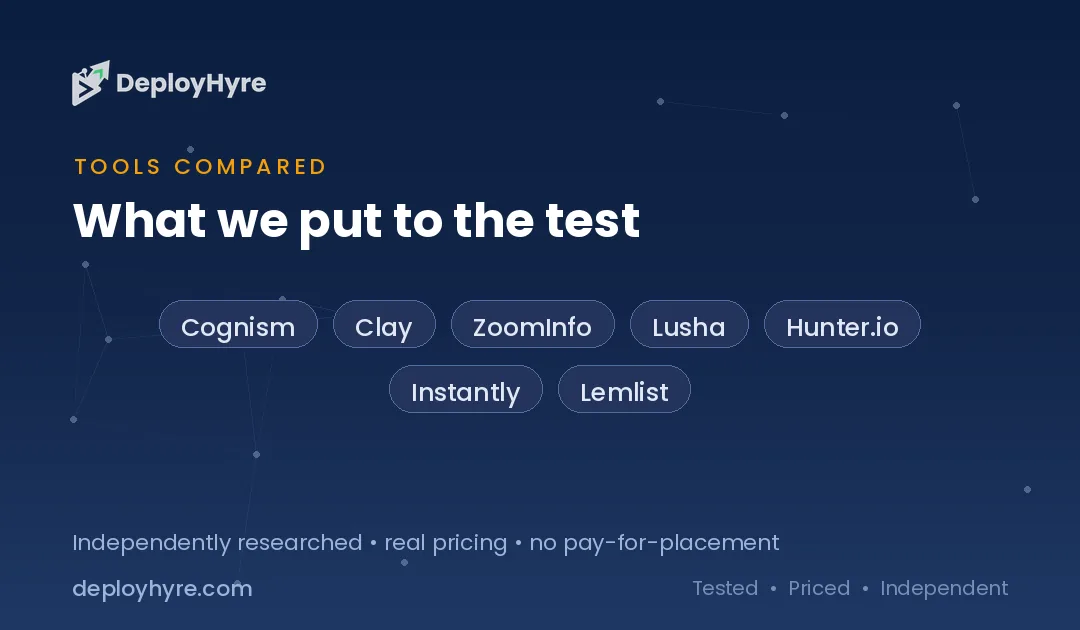
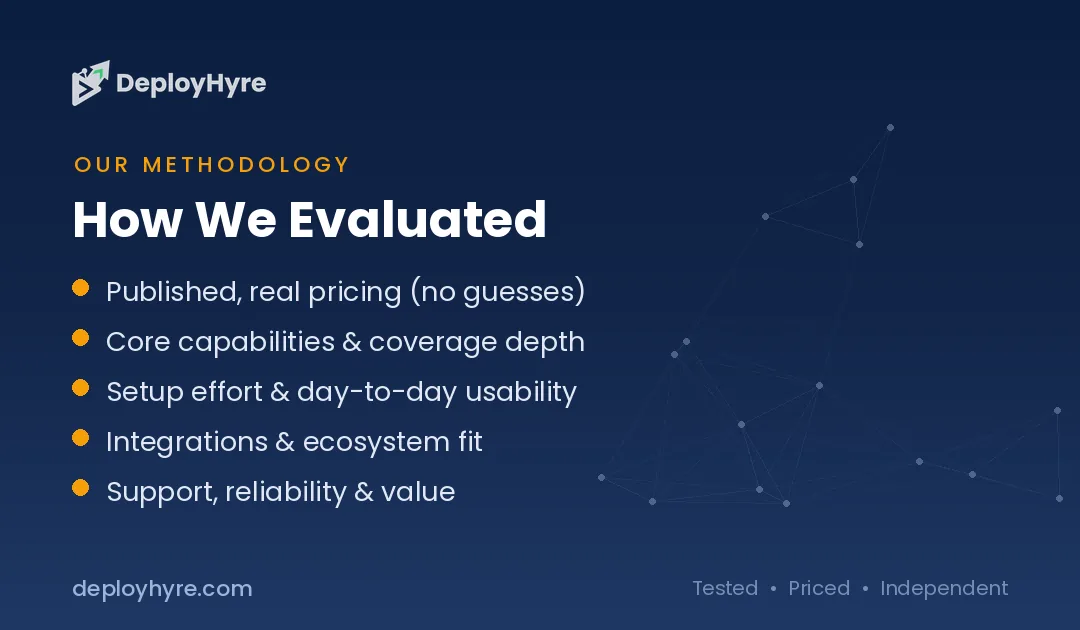
We reviewed pricing, data quality, and buyer feedback across the top platforms. If you want a smarter stack, start with our guide to the best AI sales tools. Here are the 7 Apollo alternatives worth your shortlist.
Quick Comparison: Apollo Alternatives
| Tool | Best For | Starting Price | Key Strength |
|---|---|---|---|
| Cognism | Phone-verified EU data | Custom quote | Verified mobiles, GDPR compliance |
| Clay | AI data enrichment | Free; paid from $149/mo | 75+ data sources in one flow |
| ZoomInfo | Enterprise sales intel | Custom (~$15k/yr) | Deepest B2B database |
| Lusha | Lightweight contact data | ~$37/user/mo | Fast browser extension |
| Hunter.io | Email finding | Free; paid from $34/mo | Simple, accurate emails |
| Instantly | Cold email at scale | ~$37.60/mo (annual) | Deliverability and sending |
| Lemlist | Multichannel outreach | ~$63/user/mo (annual) | Personalized sequences |
Why Look for an Apollo Alternative?
Most teams leave Apollo because data accuracy and credit-based billing cost them more than the low sticker price suggests. Apollo bundles a big database with outreach at an attractive rate. But bounced emails, dead phone numbers, and overage fees add hidden costs. The right alternative trades a slightly higher price for contacts that actually connect.
The billing model is a common trigger. Credits do not roll over, and teams that exhaust them mid-cycle buy 250-credit overages at a time, which pushes the effective monthly cost well above the marketed price. Weak international data and 8-credit phone lookups make the math worse for global or phone-heavy teams. Many alternatives fix exactly one of those gaps well.
The 7 Best Apollo Alternatives
#1 Cognism: Best for phone-verified, GDPR-compliant data
Cognism is the strongest overall Apollo alternative for teams that live on the phone and sell into Europe.
What it does well. Cognism focuses on data you can actually dial. Its mobile numbers are phone-verified, and its emails pass a 16-step verification process. Its Diamond Data set is human-verified for accuracy, and its compliance coverage across GDPR and CCPA is a real advantage over Apollo for regulated markets.
Key features:
-
Phone-verified mobile numbers (Diamond Data)
-
GDPR and CCPA compliant EU coverage
-
Intent data and technographics
-
Unrestricted view of contact data on most plans
-
CRM and sales tool integrations
Pricing. Cognism does not publish rates. It uses a subscription-plus-credits model across its plans, so you book a demo for a custom quote. Pricing sits well above Apollo, reflecting the verified data quality.
Best for: Outbound teams that need accurate mobiles and clean EU compliance.
Limitations. No public pricing and no free trial make it hard to test before you commit. It costs far more than Apollo, so budget-first teams may balk.
#2 Clay: Best for AI data enrichment
Clay is the top Apollo alternative for teams that want to build creative, multi-source enrichment workflows.
What it does well. Clay is not a single database. It aggregates 75+ data providers into one workflow, so you can waterfall through sources to find the best match rate. Its AI features draft personalized outreach and research accounts automatically. That flexibility outclasses Apollo for advanced go-to-market teams.
Key features:
-
Waterfall enrichment across 75+ providers
-
AI research and message personalization
-
Spreadsheet-style workflow builder
-
Failed lookups are no longer charged
-
Deep CRM and outreach integrations
Pricing. Clay offers a free plan with 100 data credits per month. Paid plans run from $149 per month on Starter to $185 on Launch and $495 on Growth, billed by data credits and actions. Enterprise contracts average $30k or more per year.
Best for: Growth and RevOps teams building custom enrichment and outbound flows.
Limitations. The credit and action model gets complex and can grow expensive at scale. There is a real learning curve versus Apollo’s point-and-click search.
#3 ZoomInfo: Best for enterprise sales intelligence
ZoomInfo is the Apollo alternative built for large teams that need the deepest data and richest signals.
What it does well. ZoomInfo runs one of the largest B2B databases available, with org charts, intent data, and scoops that go far beyond contact records. Its coverage and enrichment depth are why enterprise sales orgs standardize on it. For account-based selling, the signal quality is hard to match.
Key features:
-
Massive B2B contact and company database
-
Buyer intent data and org charts
-
Website visitor tracking and enrichment
-
Workflows and CRM automation
-
Broad integration ecosystem
Pricing. ZoomInfo is quote-based and premium. Its Professional plan reportedly starts around $14,995 per year for 3 seats, with the median contract closer to $31,875 per year. Expect to pay 10 to 20 times more than Apollo.
Best for: Mid-market and enterprise teams that need deep data and intent signals.
Limitations. The cost is steep, and annual contracts lock you in. It is overkill and unaffordable for most small teams.
#4 Lusha: Best for lightweight contact data
Lusha is the Apollo alternative for reps who want quick, accurate contacts without a heavy platform.
What it does well. Lusha keeps things simple. Its browser extension pulls direct dials and emails while you browse LinkedIn or company sites. It is fast, easy to learn, and its data quality on direct dials is well regarded. For individual sellers, it beats Apollo on speed to value.
Key features:
-
Chrome extension for on-the-fly lookups
-
Direct dials, mobiles, and verified emails
-
Prospecting and list-building tools
-
CRM sync to Salesforce and HubSpot
-
Intent data on higher tiers
Pricing. Lusha’s self-serve plans are Starter at about $37.45 per month annual, Pro at $52.45, and Premium at $299.95, all billed by credits. Emails cost 1 credit and phone numbers 10 credits each, so phone-heavy use burns credits fast.
Best for: Individual reps and small teams that want fast, accurate contacts.
Limitations. The 10-credit phone cost adds up quickly. Its database is smaller than Apollo or ZoomInfo, so coverage on niche accounts can thin out.
#5 Hunter.io: Best for email finding
Hunter.io is the Apollo alternative for teams that mainly need clean, verified business emails.
What it does well. Hunter does one job and does it well. It finds and verifies professional email addresses by domain, with a genuinely useful free tier. Its verifier cuts bounce rates before you send, and the simple interface means anyone can use it in minutes. It is far lighter than Apollo’s full platform.
Key features:
-
Domain and email search
-
Email verification to reduce bounces
-
Bulk finding and verification
-
Simple cold email campaign tools
-
Free tier with monthly credits
Pricing. Hunter has a free plan with monthly credits, and paid plans start at $34 per month on annual billing for Starter. Growth and Scale tiers add more searches and mailboxes, and annual billing applies a flat 30 percent discount.
Best for: Teams that want accurate emails and verification without a big database.
Limitations. It is not a full sales intelligence platform. There are no phone numbers, intent data, or deep company records like Apollo offers.
#6 Instantly: Best for cold email at scale
Instantly is the Apollo alternative for teams focused on sending high-volume cold email that lands in the inbox.
What it does well. Instantly is built around deliverability. It manages inbox rotation, warmup, and sending across many mailboxes so campaigns scale without hurting your domain reputation. It also added a lead database and CRM, so it can cover sourcing and sending in one stack. For pure outbound volume, it outperforms Apollo’s sending tools.
Key features:
-
Unlimited email account connection
-
Automated inbox warmup and rotation
-
Lead database (formerly SuperSearch)
-
Built-in CRM and unibox
-
Deliverability analytics
Pricing. Instantly’s outreach starts at about $37.60 per month on the annual Growth plan and scales to $286.30 on Light Speed. Its model is modular, so full outreach plus leads plus CRM starts around $124 per month combined.
Best for: Cold email teams that prioritize deliverability and sending volume.
Limitations. The modular pricing means the full stack costs more than the headline price. Its database is newer and thinner than Apollo’s core B2B data.
#7 Lemlist: Best for multichannel outreach
Lemlist is the Apollo alternative for teams that want personalized sequences across email, LinkedIn, and calls.
What it does well. Lemlist combines a lead database with strong outreach automation. It personalizes at scale with custom images, dynamic text, and multichannel steps that mix email, LinkedIn, and cold calling. Its warmup tool protects deliverability. For teams that value reply rates over raw volume, it is a sharper outreach engine than Apollo.
Key features:
-
Multichannel sequences (email, LinkedIn, calls)
-
Advanced personalization and dynamic content
-
Built-in email warmup
-
B2B lead database and enrichment
-
Reply detection and CRM integrations
Pricing. Lemlist’s publicly priced plans are Email Pro at about $63 per user per month annual and Multichannel Expert at $87 annual. Custom enterprise pricing is available above those tiers.
Best for: Teams running personalized, multichannel outbound campaigns.
Limitations. Per-seat pricing climbs for larger teams. Its database and enrichment are lighter than a dedicated data tool like ZoomInfo or Cognism.
How to Choose an Apollo Alternative
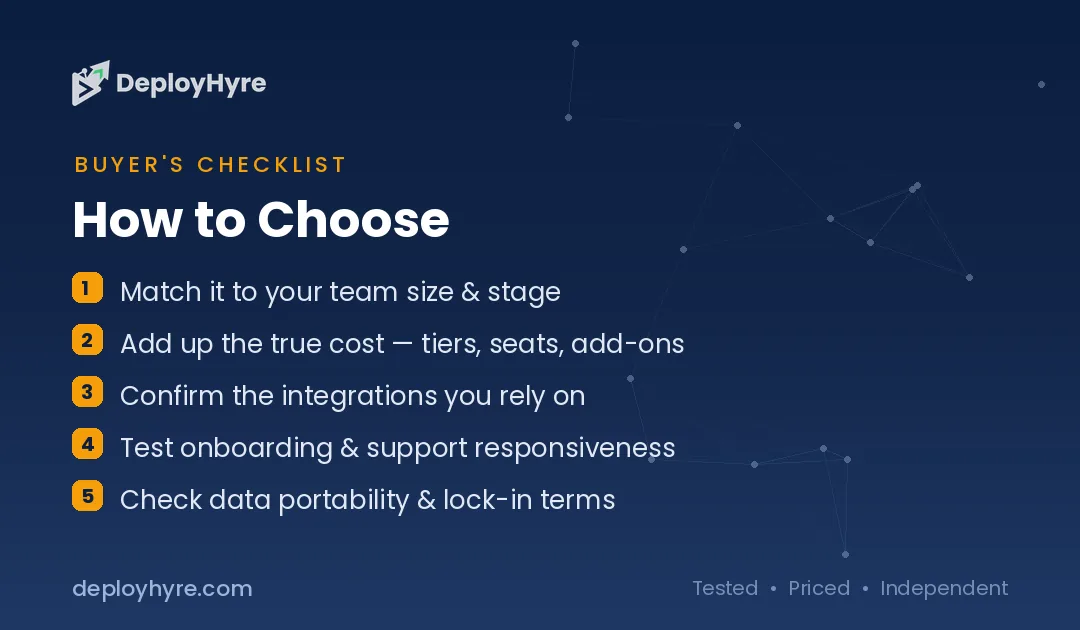
Start with the one job Apollo is failing at for you, then match a tool to it. If bounce rates are the pain, choose Cognism or Hunter.io. If you want AI enrichment, pick Clay. If you need enterprise depth, ZoomInfo fits.
Weigh a few factors before you commit. First, decide whether you need a data provider, an outreach tool, or both. Cognism, ZoomInfo, and Lusha lead on data, while Instantly and Lemlist lead on sending. Second, check regional coverage. Cognism is stronger for Europe, and Apollo’s international data is a known weak spot.
Next, factor in your CRM and workflow. If you already run a CRM, review the best AI CRM software so your prospecting data flows cleanly into it. And if outreach is your focus, our guide to AI marketing tools covers the sending and campaign side.
Finally, test before you buy. Run a free trial on two or three tools against your real target accounts and let match rates decide. A slightly pricier tool with verified data usually beats a cheap one with 30 percent bounces.
The Bottom Line
Apollo.io remains a strong, affordable starting point. But its data accuracy and credit-based billing push many teams to look elsewhere as they scale.
Cognism is our top overall pick for phone-verified data and clean compliance. Clay wins for AI enrichment, ZoomInfo for enterprise depth, and Hunter.io for simple email finding. Match the tool to your biggest gap, then confirm real match rates with a free trial before you switch.
Frequently Asked Questions
What is the best Apollo alternative?
Cognism is the best overall Apollo alternative for most outbound teams. It delivers phone-verified mobile numbers and GDPR-compliant data that connects at higher rates than Apollo. For AI-powered enrichment, Clay is the better pick, and ZoomInfo leads for enterprise data depth.
Is there a free alternative to Apollo?
Yes. Hunter.io offers a free plan with monthly credits for finding and verifying business emails. Clay also has a free plan with 100 data credits per month for enrichment. Both let you test data quality before paying, though neither matches Apollo’s full platform for free.
Why do teams switch from Apollo.io?
Teams switch mainly over data accuracy and billing. Independent tests put Apollo accuracy at 65 to 80 percent, with bounce rates of 15 to 35 percent, worse for international contacts. Credits do not roll over, phone numbers cost 8 credits each, and overage fees quietly raise the effective monthly cost.
Which Apollo alternative is best for European data?
Cognism is the best Apollo alternative for European prospecting. Its data is GDPR and CCPA compliant, and its mobile numbers are phone-verified rather than crowdsourced. Apollo’s international coverage is a known weak spot, which makes Cognism a strong fit for teams selling into the EU.
How much do Apollo alternatives cost?
Prices vary widely. Hunter.io and Clay have free tiers, with paid plans from $34 and $149 per month. Lusha starts near $37 per user per month, and Instantly near $37.60. Enterprise data tools like ZoomInfo and Cognism are quote-based and cost far more than Apollo.
Know AI, SaaS, or cloud tools inside out? Pitch a guest post and get in front of thousands of buyers researching their next tool.

David Austin is a technology writer and software analyst at DeployHyre, where he covers AI tools, SaaS platforms, cloud hosting, and business automation. He focuses on hands-on comparisons of pricing, features, and real-world performance so teams can pick the right software with confidence.