Writesonic won early fans with cheap, fast AI articles. Then it moved upmarket. The entry Lite plan now costs $39 per month billed annually and caps output at 15 articles, a big shift from the $16 plans longtime users signed up for. Meanwhile, 80% of marketers now use AI for content creation, so the market answered with dozens of capable rivals.
Writers leave Writesonic for three reasons: repeated pricing and credit restructures, article caps on lower tiers, and an interface that keeps changing as the product chases SEO agents. Whatever pushed you to search, strong replacements exist at every budget.
We compared the leading Writesonic competitors on output quality, pricing stability, and fit for specific jobs like SEO articles, brand copy, and fiction. For the full category, start with our complete guide to AI writing tools. Here are the 7 alternatives worth switching to.
Quick Comparison: Writesonic Alternatives
| Tool | Best For | Starting Price | Key strength |
|---|---|---|---|
| Jasper | Marketing teams, brand voice | $39/mo (annual) | On-brand long-form at scale |
| Frase | SEO content optimization | $39/mo (annual) | SERP research plus optimization |
| Copy.ai | GTM and sales workflows | $49/mo | Automated marketing workflows |
| Rytr | Budget short-form copy | Free; $9/mo | Cheapest unlimited AI writer |
| ChatGPT | All-purpose writing | Free; $20/mo | Flexibility across any task |
| Anyword | Performance ad copy | $39/mo (annual) | Predictive performance scoring |
| Scalenut | Budget SEO content suite | $30/mo (annual) | Keyword-to-article pipeline |
Why Look for a Writesonic Alternative?
Most users switch because Writesonic raised entry prices, capped article volume, and rebuilt its interface around SEO agents instead of simple writing. The output stays solid. The packaging around it keeps moving.
The numbers tell the story. Writesonic’s plans now run Lite at $39, Standard at $79, and Professional at $199 per month, with article caps at each tier. A blogger publishing 20 posts a month outgrows Lite immediately. Teams that only need short copy pay for an SEO platform they never open.
Different jobs deserve different tools. Blog-first writers want research and optimization. Ad teams want performance data. Casual writers want cheap and simple. The picks below sort by that job. If your main output is articles, our roundup of the best AI tools for blog writing goes deeper on that use case.
1 Jasper: Best for marketing teams and brand voice
Jasper is the most complete Writesonic alternative for teams that publish on-brand content at volume.
What it does well. Jasper trains on your existing content and holds a consistent brand voice across blogs, ads, and emails. Its long-form editor, campaign workflows, and template library suit marketing departments rather than solo dabblers. Output needs less editing than most rivals at the same length.
Key features:
- Brand voice training on your own content
- 50-plus marketing templates and workflows
- Long-form editor with SEO mode
- Team collaboration and campaign tools
- Browser extension and API access
Pricing. The Creator plan costs $39 per month billed annually, or $49 month to month. Pro and Business tiers add seats and brand controls.
Best for: Marketing teams that need consistent, on-brand long-form output.
Limitations. No free plan beyond the trial. Overkill for occasional short copy.
2 Frase: Best for SEO content optimization
Frase replaces the research half of Writesonic with sharper SERP analysis and optimization scoring.
What it does well. Frase analyzes the top-ranking pages for your keyword, extracts the entities and questions they cover, and scores your draft against them as you write. It pairs generation with genuine competitive research, which matters more for rankings than raw word count. It now tracks AI-search visibility too.
Key features:
- SERP research briefs built from top-ranking pages
- Real-time content scoring against competitors
- AI writer trained on your brief
- People Also Ask and question mining
- AI-visibility and crawler tracking
Pricing. Starter costs $39 per month on annual billing, or $49 monthly. Professional runs $103 monthly-equivalent on annual terms with three seats.
Best for: SEO writers and content teams that optimize against the SERP, not just generate.
Limitations. Long-form generation quality trails Jasper without a strong brief. Per-article limits apply by tier.
3 Copy.ai: Best for go-to-market workflows
Copy.ai evolved from a copywriting toy into a workflow platform that automates entire marketing and sales processes.
What it does well. Its workflow builder chains AI steps together: scrape a prospect, draft a personalized email, produce five ad variants, and push results to your CRM. For teams automating repeatable GTM content, that beats generating one piece at a time. Chat access to leading models comes on every paid plan.
Key features:
- Visual workflow builder for multi-step automation
- 15-plus prebuilt marketing and sales workflows
- Unlimited chat words on paid plans
- Access to multiple frontier AI models
- Infobase for reusable brand facts
Pricing. Starter costs $49 per month for one seat with unlimited chat. Advanced runs $249 per month with workflow credits and five seats.
Best for: Marketing and sales ops teams automating repeatable content workflows.
Limitations. The platform pivot left simple copywriting features less central. Workflow credits meter heavy automation.
4 Rytr: Best for budget short-form copy
Rytr is the cheapest dependable Writesonic alternative, and its free plan actually works.
What it does well. Rytr keeps it simple: pick a use case, pick a tone, generate. It covers 40-plus use cases and 20-plus tones with no learning curve and no credit anxiety, since the paid tier is unlimited. For emails, product blurbs, and social posts, it delivers 90% of the value at 20% of the price.
Key features:
- Free plan with a monthly character allowance
- Unlimited generation for $9 per month
- 40-plus use cases and 20-plus tones
- Chrome extension for writing anywhere
- Plagiarism checking built in
Pricing. The free plan covers light use. Unlimited costs $9 per month, or $7.50 billed annually. Premium adds tones and languages at $29.
Best for: Freelancers and side projects that mostly need short copy, cheap.
Limitations. Long-form articles trail premium tools and need heavier editing. No real SEO tooling.
5 ChatGPT: Best for all-purpose writing
ChatGPT replaces several single-purpose writing tools with one flexible $20 subscription.
What it does well. It drafts articles, rewrites copy, edits tone, outlines campaigns, and answers research questions from plain instructions. No templates, no credits, no article caps. Custom instructions and projects preserve your voice and context across sessions, which covers a surprising share of what dedicated tools charge for.
Key features:
- Open-ended prompting for any writing task
- Projects and custom instructions for reusable context
- Strong editing and rewriting ability
- Web browsing for current facts
- File uploads and image generation included
Pricing. The free tier handles many tasks. ChatGPT Plus costs $20 per month, a price that has held for years.
Best for: Writers who want maximum flexibility from one subscription.
Limitations. No SEO scoring, briefs, or publishing integrations. Structure and consistency depend on your prompting.
6 Anyword: Best for performance ad copy
Anyword scores your copy’s predicted performance before you spend a dollar running it.
What it does well. Its predictive performance score estimates how each headline or ad variant will convert, trained on billions of marketing data points. That turns copywriting from taste into testing. Brand voice controls and channel-specific formats cover ads, email, and landing pages.
Key features:
- Predictive performance scoring for every variant
- Audience persona targeting
- Brand voice and messaging bank
- Channel formats for ads, email, and web
- Unlimited generation on all plans
Pricing. Starter costs $39 per month billed annually, or $49 monthly. Data-Driven runs $79 annually with team analytics.
Best for: Performance marketers writing ads and landing pages that must convert.
Limitations. Blog and long-form features are secondary. The scoring data caps on lower tiers.
7 Scalenut: Best for a budget SEO content pipeline
Scalenut packs keyword planning, briefs, writing, and optimization into one low-cost pipeline.
What it does well. Its Cruise Mode walks from keyword to outline to full draft in minutes, then its optimizer scores the result against top-ranking pages. Keyword clustering and topic maps come included, features that cost extra elsewhere. For solo site builders, it is the closest one-tool replacement for Writesonic’s SEO stack.
Key features:
- Cruise Mode keyword-to-article drafting
- Keyword clustering and topic planning
- Content optimizer with SERP scoring
- NLP term suggestions
- Built-in AI detector and humanizer
Pricing. Starter lists at $30 per month on annual billing, or $59 month to month. Plus and Professional add volume and seats.
Best for: Solo SEO publishers who want the whole keyword-to-article pipeline in one cheap tool.
Limitations. Prose quality needs a human editing pass. The interface feels busier than single-purpose writers.
How Should You Choose a Writesonic Alternative?
Pick by your main output: Jasper for on-brand marketing content, Frase or Scalenut for SEO articles, Anyword for ads, Rytr for cheap short copy, and ChatGPT when you want one flexible tool for everything. The wrong pick is paying for features outside your actual job.
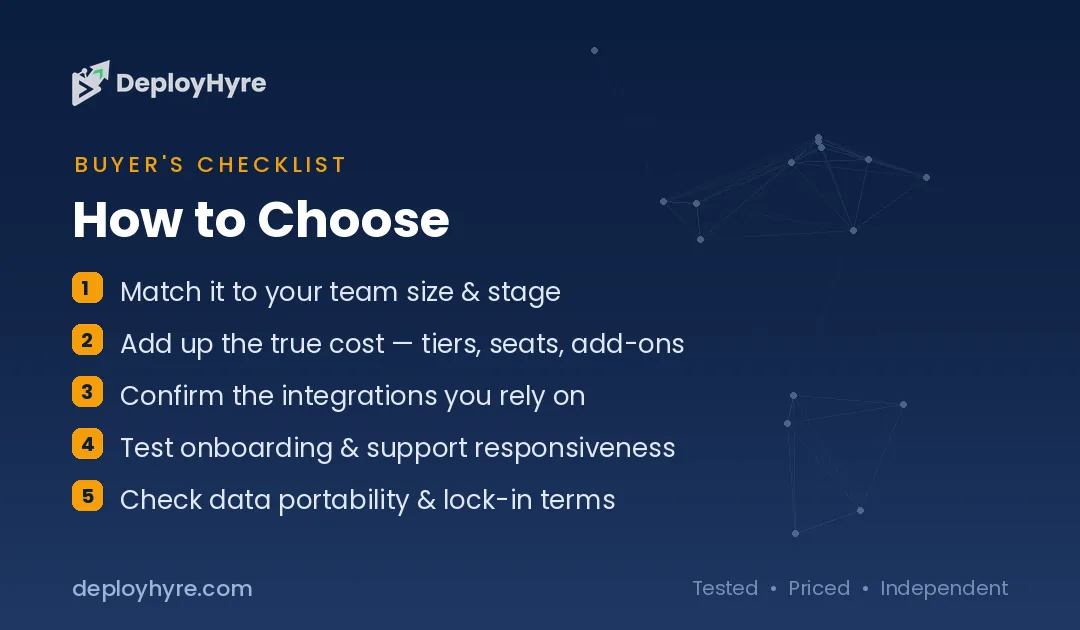
Run this checklist before you commit:
- Count your monthly output. Article caps killed Writesonic for volume publishers. Verify the real limits at your tier, not the marketing page headline.
- Decide if you need SEO tooling. Briefs and SERP scoring matter for rankings. If you publish for search, Frase and Scalenut earn their price. Pair either with the best AI SEO tools for the technical side.
- Test output on your hardest format. Free trials exist. Feed each finalist your longest, most technical piece and compare editing time, not first impressions.
- Check pricing history. Tools that restructured plans twice will do it again. Rytr and ChatGPT have held prices for years.
If rewriting existing content is a big part of your week, our best AI paraphrasing tools roundup covers that niche directly.
How We Evaluated These Tools
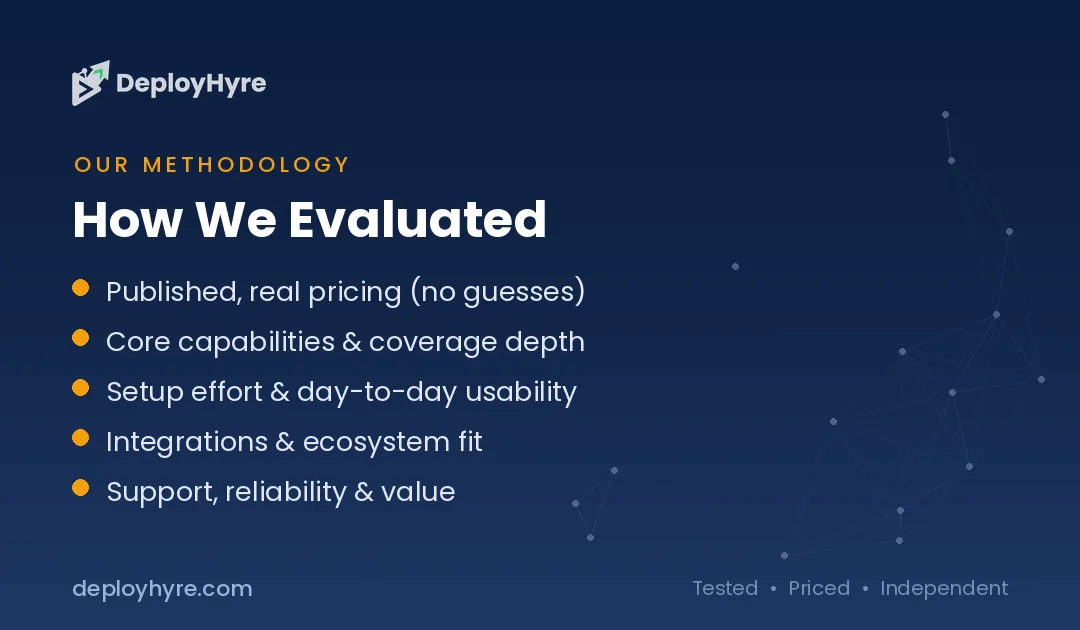
We scored each Writesonic alternative on five factors: output quality per editing minute, pricing stability, feature fit for a defined job, volume limits, and integration with real publishing workflows. Pricing comes from vendor pages and current published rate cards, verified in July 2026. We weighted pricing stability heavily because plan restructures are the top complaint driving Writesonic switchers. Head-to-head detail on the two biggest names lives in our Jasper vs Copy.ai comparison.
The Bottom Line
Jasper is the best Writesonic alternative for marketing teams, with stronger brand voice and more polished long-form output at the same $39 entry price. SEO-first writers get more from Frase or Scalenut, which pair generation with real SERP research. Rytr and ChatGPT cover budget and general-purpose needs for $9 and $20.
Start with the tool that matches your single biggest content job, run your hardest real assignment through the trial, and measure editing time. For the full landscape before you decide, read our complete guide to AI writing tools.
Frequently Asked Questions
What is the best Writesonic alternative?
Jasper is the best overall Writesonic alternative for marketing teams. It matches Writesonic’s $39 annual entry price while delivering stronger brand voice control and more polished long-form output. For SEO-focused writers, Frase is the better replacement.
Is there a free alternative to Writesonic?
Yes. Rytr offers a free plan with a monthly character allowance, and ChatGPT’s free tier handles many writing tasks. Frase and Scalenut offer free trials. Rytr’s $9 unlimited plan is the cheapest way to remove limits entirely.
Which Writesonic alternative is best for SEO articles?
Frase is the strongest pick for SEO articles. It builds briefs from top-ranking pages, scores your draft against competitors in real time, and mines the questions searchers ask. Scalenut is the budget option, bundling keyword clustering with article generation from $30 per month.
Why did Writesonic get more expensive?
Writesonic repositioned from a budget AI writer into an SEO and AI-agent platform. Its entry Lite plan now costs $39 per month billed annually with a 15-article cap, replacing the cheaper word-based plans earlier users bought. Users who only need writing now pay for platform features they skip.
Is ChatGPT a good replacement for Writesonic?
For general writing, yes. ChatGPT handles drafts, rewrites, outlines, and edits for $20 per month with no article caps. It lacks Writesonic’s SEO briefs, optimization scoring, and publishing integrations, so search-focused publishers pair it with a dedicated SEO tool instead.

David Austin is a technology writer and software analyst at DeployHyre, where he covers AI tools, SaaS platforms, cloud hosting, and business automation. He focuses on hands-on comparisons of pricing, features, and real-world performance so teams can pick the right software with confidence.
Know AI, SaaS, or cloud tools inside out? Pitch a guest post and get in front of thousands of buyers researching their next tool.