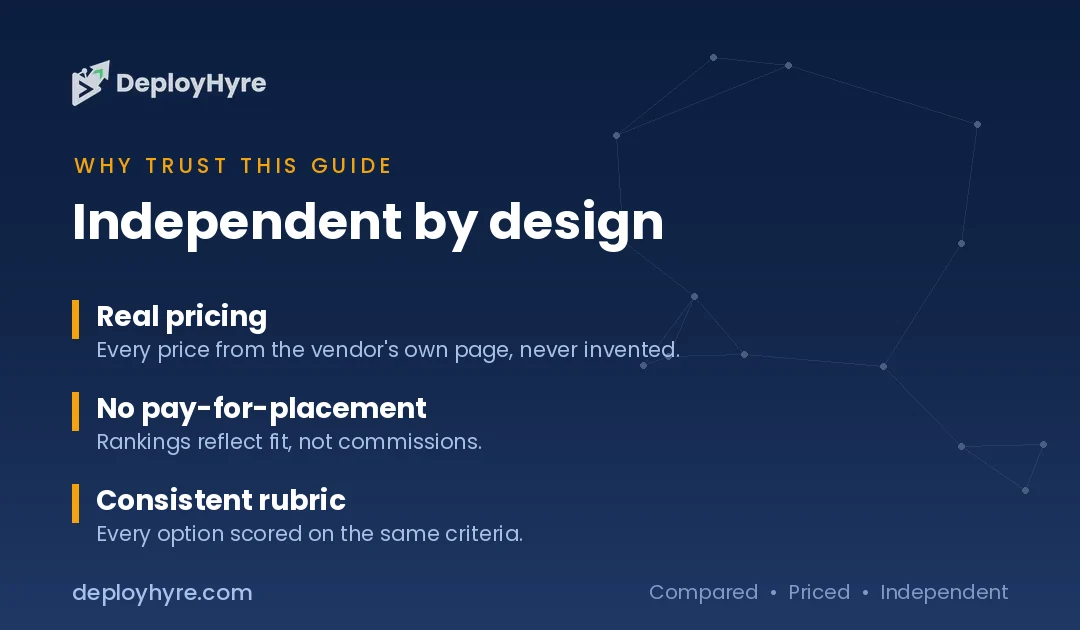
The best review management software in 2026 depends on your size. GatherUp, NiceJob, and BrightLocal suit small local businesses with public prices. Birdeye, Podium, and Reputation fit multi location brands. Trustpilot Business and Yotpo lead for ecommerce and online brands. ReviewTrackers and Grade.us suit enterprise teams and agencies. Prices run from free tiers to $799/mo per domain or custom quotes.
Table of Contents
Customers now judge reviews by age as well as stars. In BrightLocal’s 2026 Local Consumer Review Survey, 74% of people said they look for reviews written in the last three months, according to PinMeTo’s summary of the report. The same survey found 80% are more likely to use a business that replies to all of its reviews.
That makes review work a weekly job, not a yearly one. You need a steady flow of new reviews, fast replies, and alerts when a bad one lands. Review management software automates the requests, pulls reviews into one inbox, and helps you reply in your own voice.
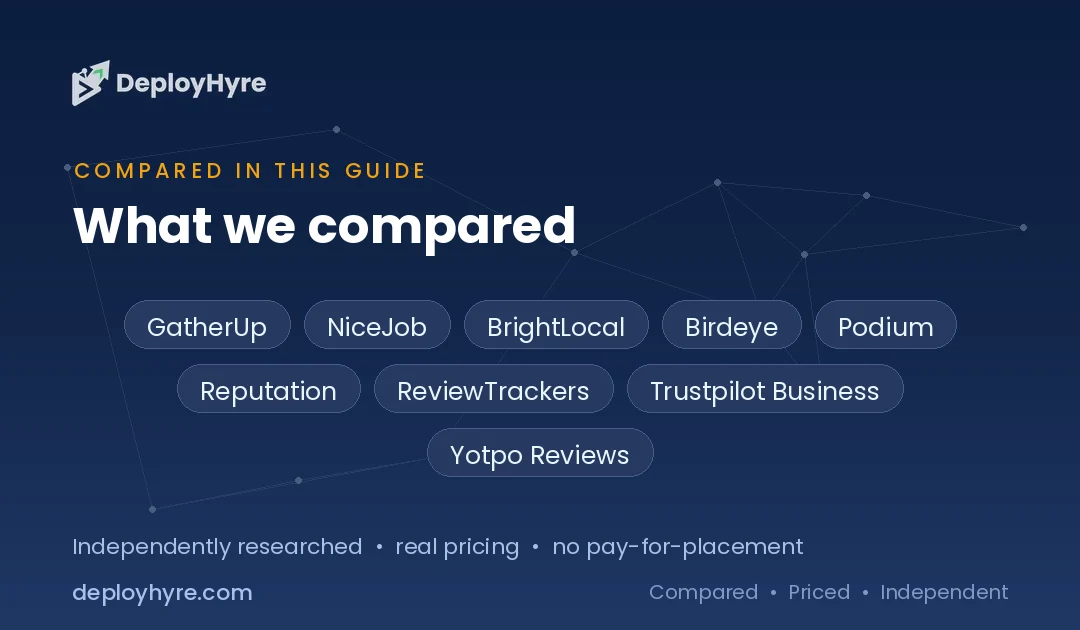
This guide compares 10 platforms grouped by business type. Reviews also feed AI tools and chat assistants, so see our guide to the best AI marketing tools for the wider stack.
Quick Comparison: Best Review Management Software in 2026
| Tool | Best For | Starting Price | Key Strength |
|---|---|---|---|
| GatherUp | Local businesses on a budget | $99/mo billed annually | Reviews plus NPS feedback |
| NiceJob | Home service companies | $95/mo | Automated review campaigns |
| BrightLocal | Local SEO plus reviews | $65/mo monthly (Grow) | Review tools inside a local SEO suite |
| Birdeye | Multi location brands | Custom quote | Reviews, listings, and messaging |
| Podium | Text first businesses | Custom quote | SMS review requests and payments |
| Reputation | Enterprise locations | $80 per location/mo | Reviews, surveys, and sentiment |
| Trustpilot Business | Online brands | Free, paid from $319/mo | Well known review platform |
| Yotpo Reviews | Shopify and ecommerce | Free, paid from $89/mo | Product reviews and UGC |
| ReviewTrackers | Enterprise review analytics | Check the current price | Review insights across sites |
| Grade.us | Agencies | Check the current price | White label review funnels |
What Makes Great Review Management Software?
Great review management software does four things well. It asks happy customers for reviews at the right moment by text or email. It pulls reviews from Google, Facebook, Yelp, and niche sites into one inbox. It helps you reply fast, often with AI drafts you can edit. And it reports trends by location so you can fix real problems.
Channel coverage matters most. A tool that only watches Google misses Yelp, TripAdvisor, or industry sites your buyers trust. Brand voice control matters next. The same survey found 50% of people are put off by generic or templated replies, so check how editable the AI drafts are.
Last, check that requests follow platform rules. Google and Yelp both ban review gating, which means asking only happy customers to post. Good tools send the same request to everyone.
Who Needs Review Management Software?
Local service businesses get the fastest payback. Reviews drive map rank and calls for dentists, contractors, salons, and clinics. Multi location brands need central control so one bad branch does not drag down the rest. Ecommerce brands need product reviews and photos on their own pages, plus ratings in Google Shopping.
Agencies form a fourth group. They manage reviews for many clients and need white label dashboards and bulk tools.
Best Review Management Software for Small Local Businesses
1. GatherUp: Best for local businesses on a budget
GatherUp is a review and customer feedback platform with clear per location pricing.
What it does well. It sends review requests by email and text and collects first party feedback, such as NPS scores. It then pushes customers to public review sites. Reviews from many sites land in one feed, and you can show them on your website with widgets.
Key features:
- Email and SMS review requests
- NPS and first party feedback
- Review monitoring across sites
- Website review widgets
- Review Defense add on for fake or policy breaking reviews
Pricing. GatherUp’s pricing page lists one location at $99/mo and multiple locations at $60/mo per location, both billed annually. Agency pricing is custom. Review Defense starts at $45/mo per location on an annual term.
Best for: Single and small multi location businesses that want public prices.
Limitations. The page does not list a monthly rate, so plan on annual billing. Messaging and payments are not part of the core tool.
2. NiceJob: Best for home service companies
NiceJob automates review requests and referral campaigns for trades and service teams.
What it does well. It connects to job and invoice tools so a request goes out once a job is done. It follows up on its own if the customer does not reply. It can also turn new reviews into social posts and website widgets.
Key features:
- Automated review request sequences
- Referral campaigns
- Review widgets and social sharing
- Links with field service and invoicing apps
- Optional website and AI leads add ons
Pricing. NiceJob’s pricing page lists Starter at $95/mo and Pro at $135/mo. Only monthly prices are shown.
Best for: Plumbers, cleaners, roofers, and other home service teams.
Limitations. Light on multi location analytics. Reply tools are simpler than enterprise platforms.
3. BrightLocal: Best for local SEO plus reviews
BrightLocal is a local SEO suite whose top plan adds review monitoring and requests.
What it does well. You get rank tracking, audits, listing sync, and review tools in one place. That suits owners who see reviews as part of local SEO. The Grow plan adds review requests by email, SMS, and in store, plus website widgets.
Key features:
- Review monitoring across many sites
- Requests by email, SMS, and in store
- Review widgets
- Local rank tracking and audits
- Local AI Visibility Tracker
Pricing. BrightLocal’s pricing page lists Grow at $65/mo on monthly billing or $584/yr on annual billing for one location. A 14 day free trial needs no card.
Best for: Local businesses and agencies that want SEO and reviews together.
Limitations. Review replies and messaging are lighter than in Birdeye or Podium.
Best Review Management Software for Multi Location Brands
4. Birdeye: Best for reviews, listings, and messaging in one
Birdeye is a customer experience platform that bundles reviews, listings, chat, and surveys.
What it does well. It appears on almost every top ranking list we read. It covers review requests, AI reply drafts, listings, and text messaging in one inbox. Birdeye says its AI agents can reply to reviews at scale. Treat that as a vendor claim and test it in a demo.
Key features:
- Review requests by text and email
- AI reply drafts
- Listings management
- Web chat and SMS inbox
- Location level reports
Pricing. Birdeye’s pricing page shows custom pricing only. You enter your location count to get a quote.
Best for: Healthcare, auto, and home service brands with many locations.
Limitations. No public prices. Small shops may pay for features they do not use.
5. Podium: Best for text first businesses
Podium is a messaging platform that grew out of SMS review requests.
What it does well. Text requests tend to get seen more than email, and Podium is built around them. It also handles web chat, payments by text, and an AI Employee add on that answers leads.
Key features:
- SMS review invitations
- Shared text inbox
- Payments by text
- Web chat widget
- AI Employee add on
Pricing. Podium’s pricing page does not list prices. It asks you to talk to sales.
Best for: Auto dealers, med spas, and retail stores that sell over text.
Limitations. No public prices. Review analytics are less deep than in enterprise tools.
6. Reputation: Best for enterprise locations
Reputation, formerly Reputation.com, is an enterprise platform for reviews, surveys, and sentiment.
What it does well. It turns thousands of reviews into themes, so you can see which issue hurts which branch. It adds surveys and listings on higher tiers. It now shows public per location prices, which is rare at this level.
Key features:
- Review monitoring and replies
- Sentiment and theme analysis
- Customer surveys
- Pulse feedback add on
- Enterprise plans for 125 or more locations
Pricing. Reputation’s pricing page lists Rep Core at $80 per location per month, Rep Core plus Pulse at $115, and Rep Core plus Surveys at $150. Enterprise is custom.
Best for: Brands with dozens or hundreds of locations.
Limitations. Per location fees add up quickly. It is more than a single shop needs.
7. ReviewTrackers: Best for enterprise review analytics
ReviewTrackers collects reviews from many sites and turns them into reports for large teams.
What it does well. It is known for wide site coverage and clear reports by location and region. It suits brands where customer experience teams, not marketers, own reviews.
Key features:
- Review monitoring across many sites
- Location and region reports
- Review requests
- Reply workflows and alerts
- Competitor review tracking
Pricing. The ReviewTrackers pricing page did not load in our checks, so check the current price with its sales team.
Best for: Enterprise and franchise customer experience teams.
Limitations. No confirmed public pricing. Messaging tools are limited.
Best Review Management Software for Ecommerce and Online Brands
8. Trustpilot Business: Best for online brands
Trustpilot is an open review platform, and its Business plans add invites, widgets, and analytics.
What it does well. Shoppers know the brand, so its stars carry weight. Paid plans raise your invite limits and add more widgets and users. If cost or control is a concern, compare our list of Trustpilot alternatives.
Key features:
- Automated review invitations
- TrustBox widgets for your site
- Review replies and reports
- Seller ratings feed in some ad programs
- Multi domain support
Pricing. Trustpilot’s plans page lists a Free plan with 50 invites a month. Plus costs $319/mo per domain with 300 invites. Premium costs $799/mo per domain with 1,000 invites. Paid prices are billed annually on a 12 month contract.
Best for: Online stores, SaaS, and service brands that sell nationally.
Limitations. Each domain is priced apart. Anyone can post on your page, so you do not control the platform.
9. Yotpo Reviews: Best for Shopify and ecommerce
Yotpo Reviews collects product reviews, photos, and videos for online stores.
What it does well. It shows reviews and customer photos on product pages, where they help sales. It sends post purchase requests and can syndicate ratings to Google. It fits well with Shopify and the wider Yotpo loyalty tools.
Key features:
- Product review and photo requests
- On site review widgets
- Visual UGC galleries
- Google seller and product ratings feeds
- Shopify integration
Pricing. Yotpo’s pricing page lists a Free plan for up to 50 monthly orders, Starter at $89/mo, and Pro at $169/mo. Premium and Enterprise are custom. The page also says paid plans start at $15/mo in its FAQ, so confirm before you buy.
Best for: Shopify brands that want product reviews and photos.
Limitations. Built for product reviews, not Google or Yelp local reviews.
Best Review Management Software for Agencies
10. Grade.us: Best for white label review funnels
Grade.us, now part of Traject, is a white label review platform built for agencies.
What it does well. Agencies can brand the dashboard as their own and set up review funnels for each client. It sends requests by email and text and tracks reviews across many sites.
Key features:
- White label dashboards
- Review funnels and landing pages
- Email and SMS requests
- Review monitoring
- Client level reports
Pricing. The Grade.us pricing page did not load in our checks, so check the current price.
Best for: Marketing agencies that resell review management.
Limitations. Less suited to brands managing their own reviews. Interface feels older than newer tools.
How Should You Choose the Right Review Management Software?
Pick the tool that matches where your customers leave reviews. Local businesses need strong Google and Yelp coverage. Ecommerce brands need product reviews on their own pages. Online service brands often care most about Trustpilot or G2.
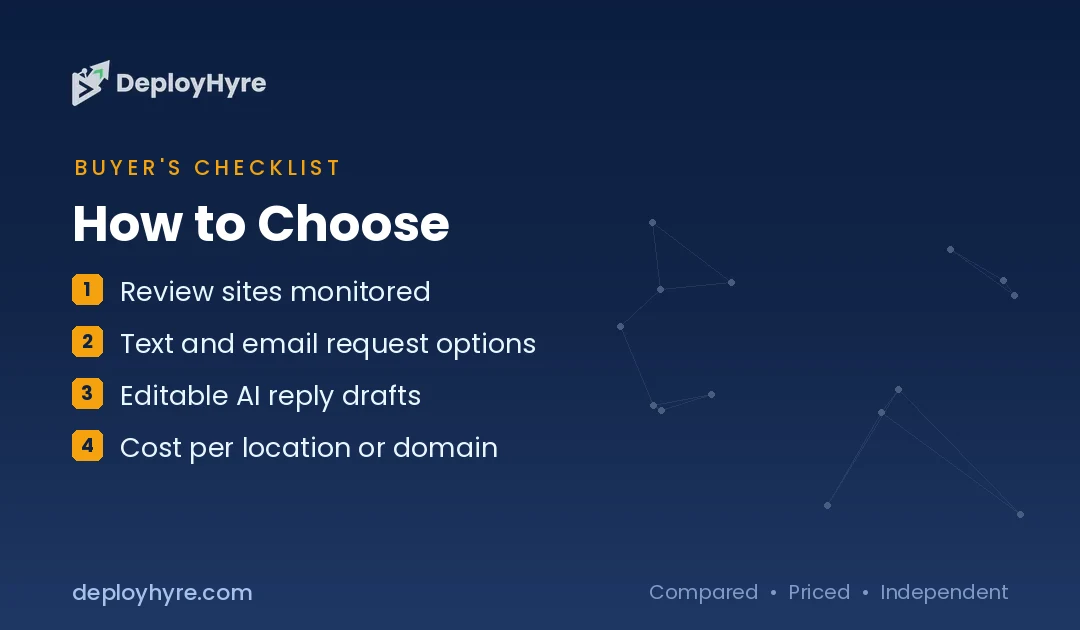
- List your review sites and confirm the tool monitors all of them.
- Test the AI reply drafts on real reviews to check tone.
- Check request channels. Text often beats email for local service work.
- Model costs per location for the next two years, not just today.
- Confirm compliance with Google and Yelp rules on review gating.
If you also need listing sync, compare our Yext alternatives, since many review tools bundle listings. For Google profile tasks, see our guide to AI tools for Google Business Profile optimization.
How We Evaluated These Tools
We read the top ranking review management guides from Testimonial, Guideflow, StoryPrompt, and itechguides. We listed every platform named on three or more of them and kept 10 that fit local, enterprise, ecommerce, or agency use.
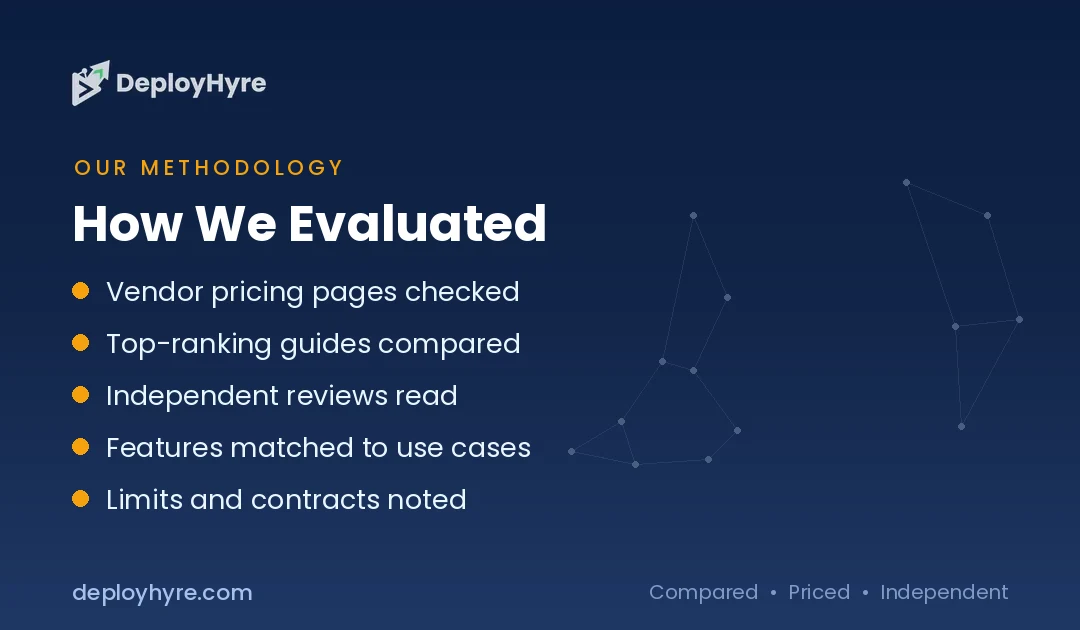
We then opened each vendor’s own pricing page in November 2026. We recorded plan names, invite or order limits, and whether prices were monthly or annual. Where a page hid prices or would not load, we say so. We also checked how buyers group these tools on Capterra’s review management category and G2’s small business review management list.
We did not run hands on tests. We compared published features, prices, and limits. Claims we mark as vendor claims come from the vendor.
The Bottom Line
Small local businesses should start with GatherUp or NiceJob. Both publish prices and cover the core job of asking for and tracking reviews. Pick BrightLocal if you want reviews inside a local SEO tool. Multi location brands should compare Birdeye, Podium, and Reputation, and push for clear per location terms. Online brands should weigh Trustpilot Business against our list of Trustpilot alternatives, while Shopify stores will get more from Yotpo.
Whatever you choose, aim for fresh reviews every month and a reply to every one. For the rest of your growth stack, see our guide to the best AI customer service software.
Frequently Asked Questions
What is the difference between review management and reputation management?
Review management covers asking for reviews, tracking them, and replying. Reputation management is wider. It can include social listening, surveys, listings, crisis response, and press. Many tools, like Birdeye and Reputation, now do both. Small businesses usually only need review management to start.
How much does review management software cost?
Prices vary a lot. Trustpilot and Yotpo have free plans. NiceJob starts at $95/mo and GatherUp at $99/mo billed annually for one location. Reputation starts at $80 per location per month. Birdeye and Podium use custom quotes. Ask how pricing changes as you add locations or domains.
Can review management software reply to reviews with AI?
Yes. Many tools now draft replies with AI, and some can post them on their own. It is safer to review drafts before they go live. BrightLocal’s 2026 survey found half of consumers are put off by generic replies, so edit drafts to mention the customer’s real experience.
Is it legal to ask only happy customers for reviews?
Asking only happy customers is called review gating. Google’s policies ban it, and Yelp discourages asking for reviews at all. The FTC also has rules against fake or suppressed reviews. Good tools send the same request to every customer and let them choose where to post.
Does review management software help local SEO?
Yes. Google lists reviews as part of local prominence, and more recent, positive reviews can help map rankings. Review software keeps new reviews coming and makes replying easy. Pair it with accurate listings and an active Google Business Profile for the best results.
Related Articles

The DeployHyre Editorial Team writes buyer guides on AI tools, SaaS, cloud hosting and proxies. We compare tools using published pricing, official documentation and third-party reviews. All content is for educational and informational purposes only.