Managed WordPress hosting now powers a large share of serious WordPress sites, and the global web hosting market is projected to reach over $267 billion by 2032. Two premium names dominate the conversation: Kinsta and WP Engine. Both promise speed, security, and expert support. Both charge a premium. So which one deserves your money?
Table of Contents
We compared Kinsta and WP Engine across pricing, performance, support, developer tools, and real-world fit. This guide breaks down where each host wins, where each falls short, and which buyer each one suits best.
Kinsta vs WP Engine: Quick Comparison
| Factor | Kinsta | WP Engine |
|---|---|---|
| Starting price | $35/mo ($29.17 annual) | $30/mo ($25 annual) |
| Entry plan visits | 35,000/mo | 25,000/mo |
| Infrastructure | Google Cloud C2 (high-CPU) | AWS + Google Cloud |
| Bandwidth | Unlimited | Capped, metered |
| Phone support | No (chat 24/7) | Yes, on most plans |
| Backups | Daily, 14-day retention | Daily, up to 60-day retention |
| Money-back guarantee | 30 days | 60 days |
| Best for | Developers, speed, single high-traffic sites | Agencies, teams, predictable budgeting |
Which Host Is Better for Most Users?
The two hosts have converged on price and entry-level specs. The real differences live in infrastructure philosophy, support channels, and the surrounding ecosystem. Let’s go factor by factor.
Pricing: WP Engine Is More Predictable, Kinsta Penalizes Overages Less
WP Engine’s tiered plans run from Startup ($25-30/mo) through Professional, Growth, and Scale ($242-276/mo). The model rewards planning: you pick a tier and your cost is locked.
Kinsta’s pricing tiers begin at $35/mo and climb to $675/mo (WP 40) and beyond. The entry plan includes more visits and unlimited bandwidth, and if you exceed your cap, the $0.50 per 1,000 overage is four times cheaper than WP Engine’s.
Winner: WP Engine for predictability; Kinsta for forgiving overages and more entry-level visits.
Check Kinsta Plans → Check WP Engine Plans →
Performance: Kinsta’s Infrastructure Edge
Kinsta includes a free APM performance monitoring tool on every plan, which helps you find slow queries and plugins. WP Engine reserves comparable observability for higher tiers.
WP Engine counters with its proprietary EverCache system and a strong global edge network. For most business sites the difference is small, but performance-obsessed teams lean Kinsta.
Winner: Kinsta, on hardware and included monitoring.
Support: WP Engine Offers Phone, Kinsta Bets on Chat
Kinsta’s support is widely praised for technical depth, since you chat directly with engineers rather than tiered agents. WP Engine’s phone option remains a deciding factor for many agencies managing client emergencies.
Winner: WP Engine for channel choice; Kinsta for technical depth.
Developer and Agency Tools
If you build and hand off client sites, WP Engine’s transferable installs and account roles save real time. If you manage your own portfolio and value a slick interface, Kinsta’s dashboard feels a generation ahead.
For broader tool research, see our guides to the best cloud hosting providers and the best website builders.
Winner: WP Engine for agencies; Kinsta for solo developers and small teams.
Who Should Choose Kinsta?
Choose Kinsta if you run a high-traffic site that needs raw speed, you want unlimited bandwidth, you prefer a modern dashboard, or you live in chat and value engineer-level support. It rewards performance-focused owners and developers.
Who Should Choose WP Engine?
Choose WP Engine if you run an agency, you manage many client sites, you want phone support, or you need flat, predictable billing for forecasting. It is the safer institutional choice.
How We Compared Kinsta and WP Engine
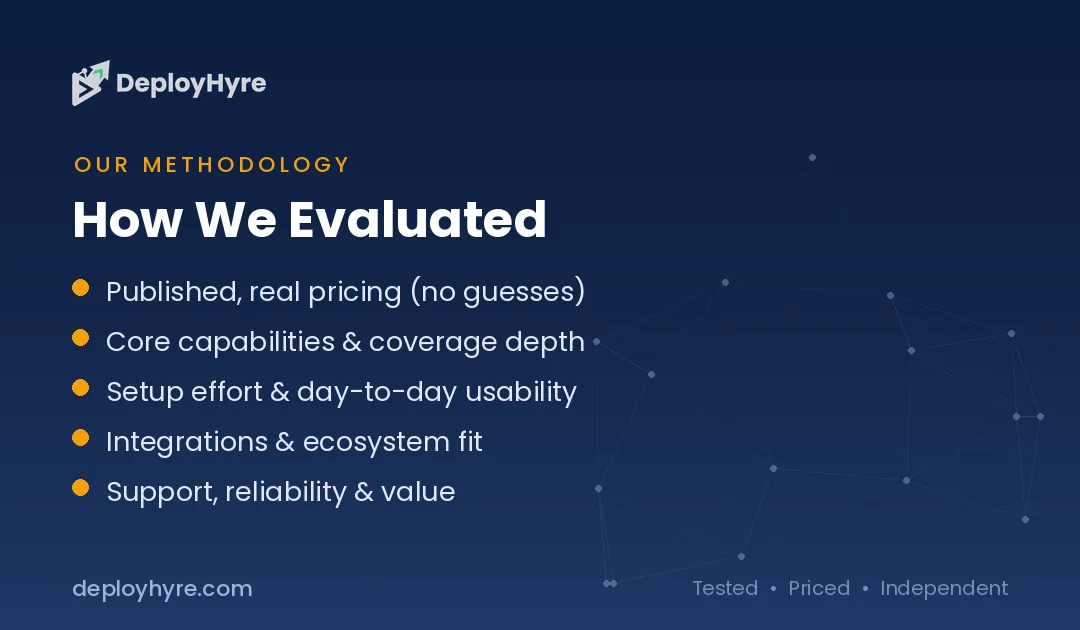
We evaluated both hosts on published pricing, infrastructure specs, included features, support channels, and documented user experience across independent reviews. We prioritized factors that affect real outcomes: speed, billing predictability, support access, and workflow fit. Pricing reflects rates published as of June 2026 and may change.
The Bottom Line
Kinsta and WP Engine are both excellent, and you will not regret either. Pick Kinsta for performance, unlimited bandwidth, and a developer-friendly dashboard. Pick WP Engine for phone support, agency tooling, and predictable pricing. If raw speed is the priority, Kinsta edges ahead; if stability and support breadth matter more, WP Engine wins.
Still mapping your stack? Compare the full field in our best cloud hosting guide, then explore AI tools for small business to round out your site.
Frequently Asked Questions
Is Kinsta faster than WP Engine?
Kinsta typically wins raw speed tests because it runs on Google Cloud’s compute-optimized C2 servers with unlimited bandwidth and an included enterprise CDN. WP Engine is also fast, but Kinsta’s hardware advantage shows most on CPU-heavy or high-traffic single sites.
Is WP Engine cheaper than Kinsta?
WP Engine’s entry plan is slightly cheaper at about $25 per month annually versus Kinsta’s $29.17. However, Kinsta’s entry plan includes more monthly visits (35,000 vs 25,000) and far gentler overage fees, so the cheaper option depends on your traffic.
Does Kinsta offer phone support?
No. Kinsta offers 24/7 live chat staffed by engineers but does not provide phone support on any plan. WP Engine offers phone support on most plans, which is a key differentiator for agencies and non-technical owners.
Which is better for agencies, Kinsta or WP Engine?
WP Engine is generally better for agencies because of its transferable site installs, account roles, client billing tools, and phone support. Kinsta suits solo developers and small teams that value a cleaner dashboard and engineer-level chat support.
Can I migrate from one to the other for free?
Yes. Both Kinsta and WP Engine offer free guided migrations from most hosts, including from each other. Kinsta includes unlimited free migrations on most plans, and WP Engine provides a free automated migration plugin plus expert assistance.

David Austin is a technology writer and software analyst at DeployHyre, where he covers AI tools, SaaS platforms, cloud hosting, and business automation. He focuses on hands-on comparisons of pricing, features, and real-world performance so teams can pick the right software with confidence.
Know AI, SaaS, or cloud tools inside out? Pitch a guest post and get in front of thousands of buyers researching their next tool.