Table of Contents
The best AI fraud detection software for most merchants is Signifyd or Riskified when you want a chargeback guarantee, Sift for flexible per-event risk scoring across the whole user journey, and Kount for the lowest base cost. These platforms use machine learning to score transactions, logins, and account signups in real time, approving good customers instantly while blocking the fraudulent orders that cause chargebacks and losses.
The decision that dwarfs all others: the pricing model is the product decision. Chargeback-guarantee platforms charge a percentage of the sales they protect and reimburse you for fraud they approve. Per-event platforms charge for each decision and leave the loss with you. Per-transaction platforms offer the lowest base price but no guarantee. These are fundamentally different risk-transfer models, and choosing the wrong one is far more expensive than any per-unit rate difference.
Every price below is a recent observed figure. Because most enterprise fraud platforms quote by volume, vertical, and ticket size, treat each as a band.
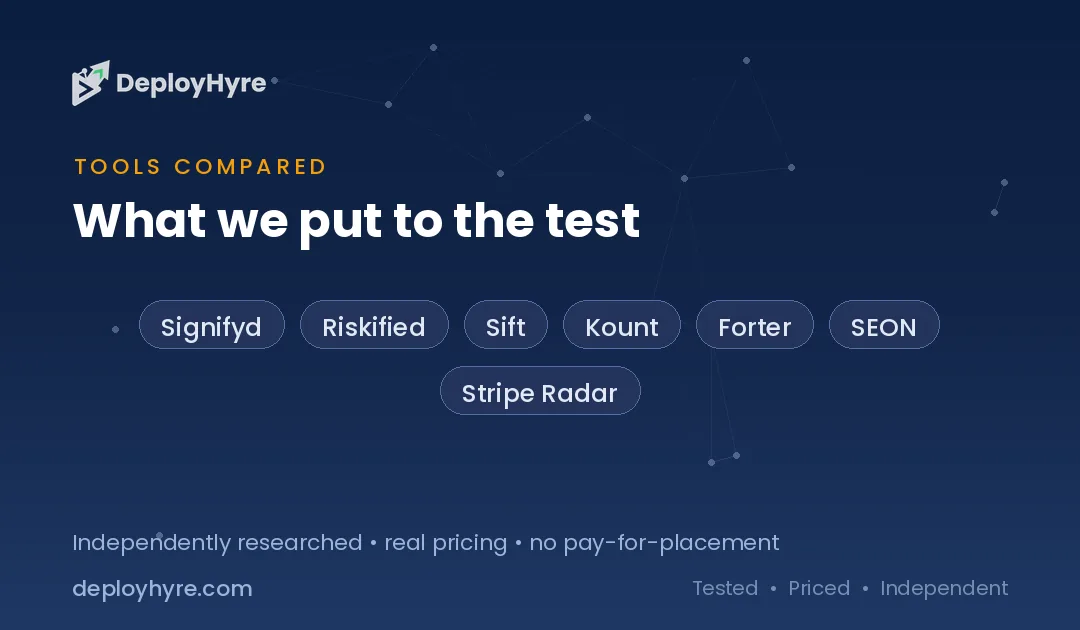
Quick Comparison: Fraud Detection Software at a Glance
| Platform | Best For | Observed Price | Model |
|---|---|---|---|
| Signifyd | Full chargeback guarantee | ~0.6–1.5% of protected GMV (quote) | % of all transactions |
| Riskified | Guarantee, approved-only billing | ~0.6–1.5% of approved GMV (quote) | % of approved transactions |
| Sift | Full-journey risk scoring | ~$2,000–$10,000/mo (mid-market) | Per event |
| Kount | Lowest base cost | From ~$50,000/yr | Per transaction (no guarantee) |
| Forter | Enterprise identity-based fraud | Enterprise quote | % / transaction |
| SEON | Digital footprint enrichment | Accessible, usage-based | Per API call |
| Stripe Radar | Stripe-native merchants | Per-transaction add-on | Per transaction |
What AI Fraud Detection Software Does
Fraud detection software sits between your customer and your checkout (or login, or signup) and decides, in milliseconds, whether each action is legitimate. It analyzes hundreds of signals, device fingerprint, IP reputation, behavioral patterns, purchase history, email age, and produces a risk score that approves, declines, or flags the transaction for review. The goal is to block fraud without adding friction for good customers, because every false decline is lost revenue and every missed fraud is a chargeback.
AI is the core of the category, not a feature. Machine-learning models trained on billions of transactions detect fraud patterns no rule set could encode, and they adapt as fraudsters change tactics. The models weigh subtle combinations, a new device plus a rushed checkout plus a mismatched shipping address, that individually look fine. This is why fraud detection moved from static rules to ML: fraud evolves too fast for hand-written rules to keep up.
Fraud detection is essential infrastructure for e-commerce and any online business handling payments or accounts. It pairs with the storefront tools in our best AI tools for ecommerce guide and the broader defenses in our best AI cybersecurity tools guide.
The Pricing Model Is the Real Decision
Fraud platforms transfer risk in three different ways, and the model you choose matters far more than the per-unit price. Chargeback-guarantee platforms (Signifyd, Riskified) charge roughly 0.6 to 1.5 percent of the sales they protect and reimburse you for any fraud they approved, so they carry the risk. Per-event platforms (Sift) charge for each decision, page views, signups, logins, and transactions, but leave the fraud loss with you. Per-transaction platforms (Kount) offer the lowest base rate with no guarantee, so you budget separately for residual losses.
Two subtle differences decide real cost. Signifyd charges on all transactions while Riskified charges only on approved ones, so at a 95 percent approval rate Riskified is about 5 percent cheaper per decision. And Sift’s per-event model counts page views and logins, not just purchases, so a high-traffic, low-conversion site pays more than its order count implies. Model your actual traffic and approval rate, not just the headline rate, because these structural differences swing the total more than negotiation ever will.
| Model | Platforms | Who Carries Fraud Loss |
|---|---|---|
| Chargeback guarantee | Signifyd, Riskified, Forter | The vendor (reimbursed) |
| Per event | Sift | You |
| Per transaction | Kount, Stripe Radar | You (budget for losses) |
Best Chargeback-Guarantee Platforms
Signifyd and Riskified are the leaders when you want a financial guarantee, charging roughly 0.6 to 1.5 percent of protected sales and reimbursing you for any fraud they approve, which turns unpredictable fraud losses into a fixed, budgetable cost. For merchants where chargebacks are a material line item, this risk transfer is the whole value proposition: you pay a known percentage and the vendor absorbs the fraud they miss. The key difference is billing base, Signifyd charges on all transactions, Riskified only on approved ones, which makes Riskified about 5 percent cheaper per decision at typical approval rates.
Forter is the enterprise identity-based alternative, building a persistent identity graph across its merchant network to distinguish real customers from fraudsters, sold on enterprise quotes with a guarantee model. It suits large merchants that want network-scale identity intelligence behind their decisions. All three are the right choice when you want to stop carrying fraud risk yourself, and the guarantee justifies the percentage fee for high-chargeback businesses. They protect the checkout in our best AI tools for ecommerce stack.
Best Flexible, Per-Event Platforms
Sift is the strongest choice when you need fraud and abuse scoring across the entire user journey, not just checkout, scoring account creation, login, content, and payment with one flexible platform priced from roughly $2,000 to $10,000 a month for mid-market. Its per-event model means you can protect signups and logins against account takeover and fake accounts, not only transactions, which suits marketplaces, fintechs, and platforms where fraud happens beyond the cart. The trade-off is that you carry the fraud loss and the per-event billing counts high-volume events like page views, so high-traffic sites should model carefully.
Sift’s flexibility is its differentiator: rather than a checkout-only guarantee, it is a risk-scoring engine you apply wherever abuse occurs. For businesses whose fraud problem is broader than payment fraud, account takeover, promotion abuse, fake reviews, spam, that breadth is worth the per-event model and the retained risk. Pair it with the account-security thinking in our best AI identity security tools guide for the login-abuse angle.
Best Value and Entry Options
Kount offers the lowest base pricing in the category, from around $50,000 a year on a per-transaction model, making it the value pick for merchants that want strong AI fraud scoring without a percentage-of-sales guarantee fee. The trade-off is explicit: Kount does not include a chargeback guarantee, so you must budget separately for the fraud that slips through. For merchants with lower chargeback rates or the appetite to self-insure, paying a lower base and absorbing residual losses can beat a percentage-of-GMV guarantee, but you have to run that math on your actual fraud rate.
SEON is the accessible, usage-based option built around digital-footprint and email/phone enrichment, favored by leaner teams and fintechs that want to enrich risk decisions per API call without an enterprise contract. Stripe Radar is the natural pick for merchants already on Stripe, adding ML fraud scoring as a per-transaction feature natively in the payment flow. Both are the pragmatic entry points when a full guarantee platform is more than you need, and Stripe Radar in particular removes any integration effort for Stripe users.
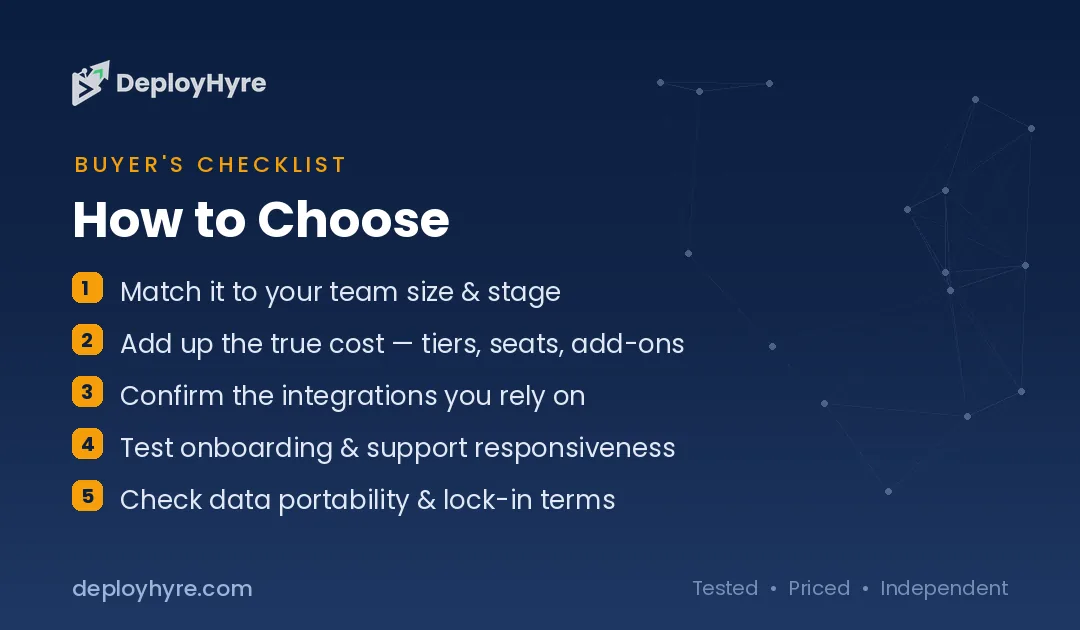
How Should You Choose a Fraud Detection Tool?
Decide your risk-transfer stance first. If chargebacks are a serious cost and you want them off your books, a guarantee platform, Signifyd or Riskified, converts fraud into a fixed percentage and is worth the fee. If you would rather pay a lower base and self-insure residual fraud, Kount or a per-event tool fits. This choice determines the pricing model and dominates the decision.
Then match scope to your fraud problem. Checkout-only payment fraud points to the guarantee platforms. Fraud across signups, logins, and content, marketplaces, fintechs, platforms, points to Sift’s full-journey per-event model. Stripe-native merchants get zero-integration coverage from Stripe Radar.
Finally, model your real numbers, not the headline rate. For guarantee platforms, compare Signifyd’s all-transaction billing against Riskified’s approved-only billing at your approval rate. For per-event tools, account for high-volume events like page views. The structural billing differences move the total more than any negotiated discount, so run the math on your own traffic before signing.
How We Evaluated These Platforms
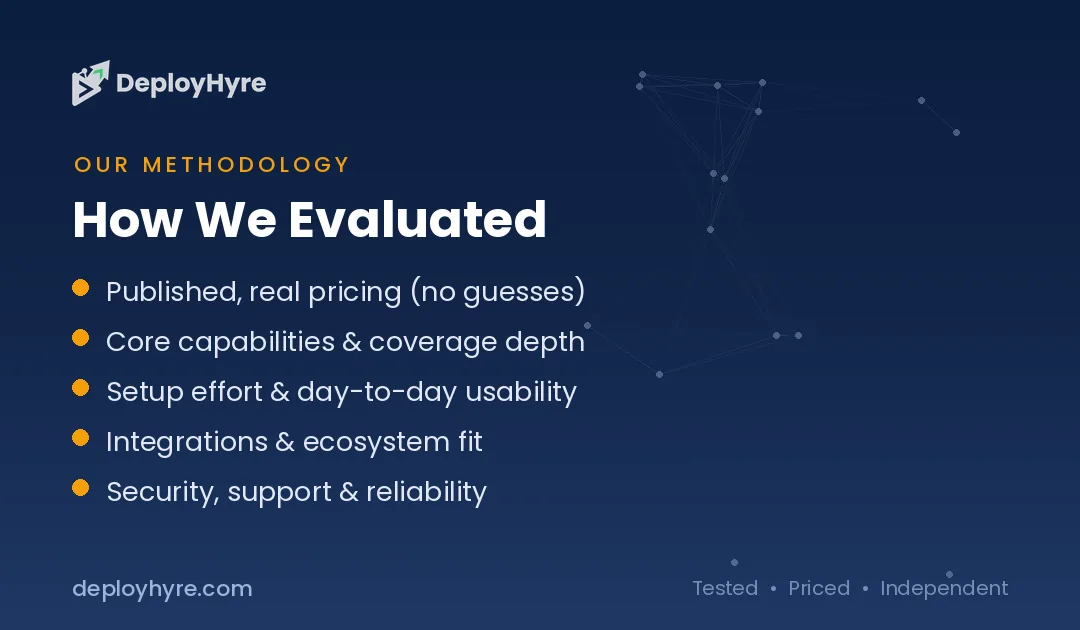
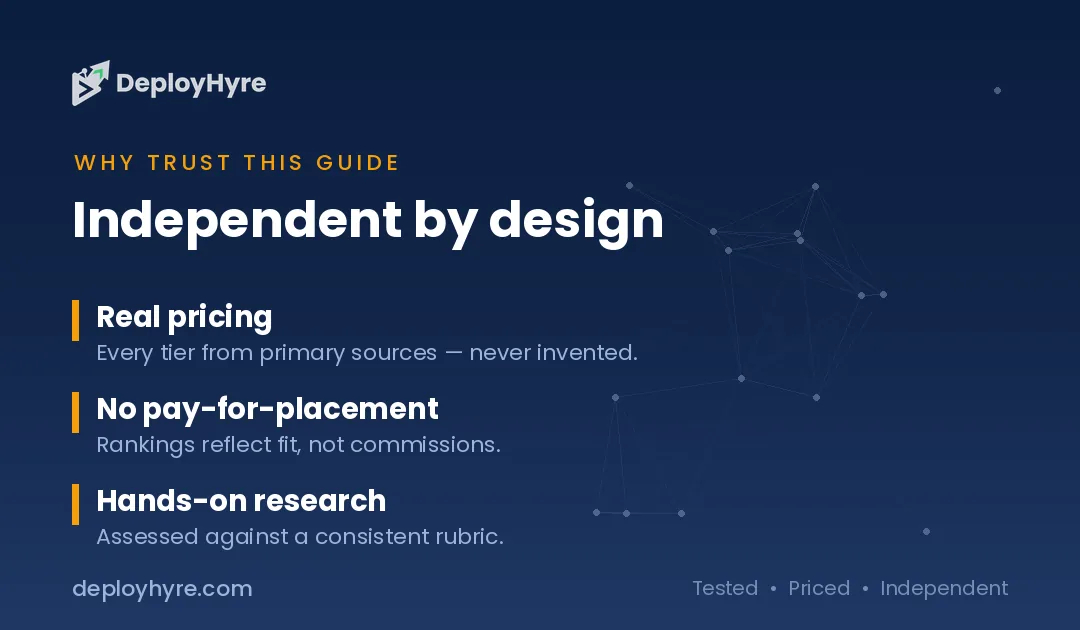
We evaluated each platform on detection accuracy, whether it offers a chargeback guarantee, scope across the user journey, integration effort, and pricing model. Figures come from vendor and comparison sources. Because most platforms quote by volume and vertical, we present observed bands and, critically, distinguish the three risk-transfer models, which matter more than any per-unit rate. We accepted no payment for placement; rankings reflect fit for a stated use case.
The Bottom Line
Signifyd and Riskified are the leaders when you want fraud off your books via a chargeback guarantee, with Riskified’s approved-only billing usually cheaper per decision. Sift is the flexible per-event choice for fraud across the whole user journey, Kount the lowest-base-cost option without a guarantee, and SEON and Stripe Radar the accessible entry points. Choose your risk-transfer model first, because it matters far more than the per-unit price, and model your own traffic and approval rate before you sign.
Frequently Asked Questions
How much does fraud detection software cost?
It depends on the model. Guarantee platforms like Signifyd and Riskified charge roughly 0.6 to 1.5 percent of protected sales. Sift’s per-event pricing runs about $2,000 to $10,000 a month for mid-market. Kount starts around $50,000 a year per transaction without a guarantee. The pricing model matters more than the headline rate.
What is a chargeback guarantee?
A chargeback guarantee means the fraud platform reimburses you for any fraudulent transaction it approved that later results in a chargeback. Signifyd, Riskified, and Forter offer this, charging a percentage of protected sales in exchange for carrying the fraud risk. Platforms without a guarantee, like Kount, leave the loss with you, so you budget for residual fraud separately.
Signifyd or Riskified: which is cheaper?
They charge similar percentages, but Signifyd bills on all transactions while Riskified bills only on approved ones. At a 95 percent approval rate, that makes Riskified roughly 5 percent cheaper per decision. The right choice depends on your approval rate and order profile, so model both against your actual numbers.
Why does Sift’s per-event pricing sometimes cost more than expected?
Because Sift counts events beyond purchases, page views, account creations, and logins all count as billable events. A high-traffic site with a low conversion rate generates many more events than transactions, so its bill can exceed what the order count suggests. Model your full event volume, not just purchases, when estimating cost.
Do I need fraud detection if I use Stripe?
Stripe includes Radar, its ML fraud scoring, as a per-transaction feature, which is a strong, zero-integration starting point for Stripe merchants. Businesses with higher chargeback exposure, fraud beyond checkout, or a need for a financial guarantee often add a dedicated platform like Signifyd, Riskified, or Sift on top.

David Austin is a technology writer and software analyst at DeployHyre, where he covers AI tools, SaaS platforms, cloud hosting, and business automation. He focuses on hands-on comparisons of pricing, features, and real-world performance so teams can pick the right software with confidence.