Table of Contents
The best attack surface management tool for most organizations is Censys for internet-scale asset discovery, CyCognito for lean teams with heavy shadow IT, and Microsoft Defender EASM for Microsoft-centric estates, while mid-market teams should look at Intruder or Detectify. ASM tools continuously find every internet-facing asset you own, the forgotten subdomain, the exposed cloud bucket, the shadow server a team spun up, and flag the ones an attacker could exploit.
The principle behind the category: you cannot secure what you do not know you have, and most organizations have far more exposed than they think. ASM exists because shadow IT, cloud sprawl, and acquisitions constantly add internet-facing assets that no one is tracking, and attackers find them first. Pricing scales with the number of internet-facing assets discovered, not your team size, so the more sprawl you have, the more you pay, and the more you need the tool.
Every price below is a recent observed figure. Enterprise ASM runs $50,000 to $500,000-plus a year by asset count and features, while mid-market solutions start nearer $10,000. Treat each as a band.
Quick Comparison: Attack Surface Management Tools at a Glance
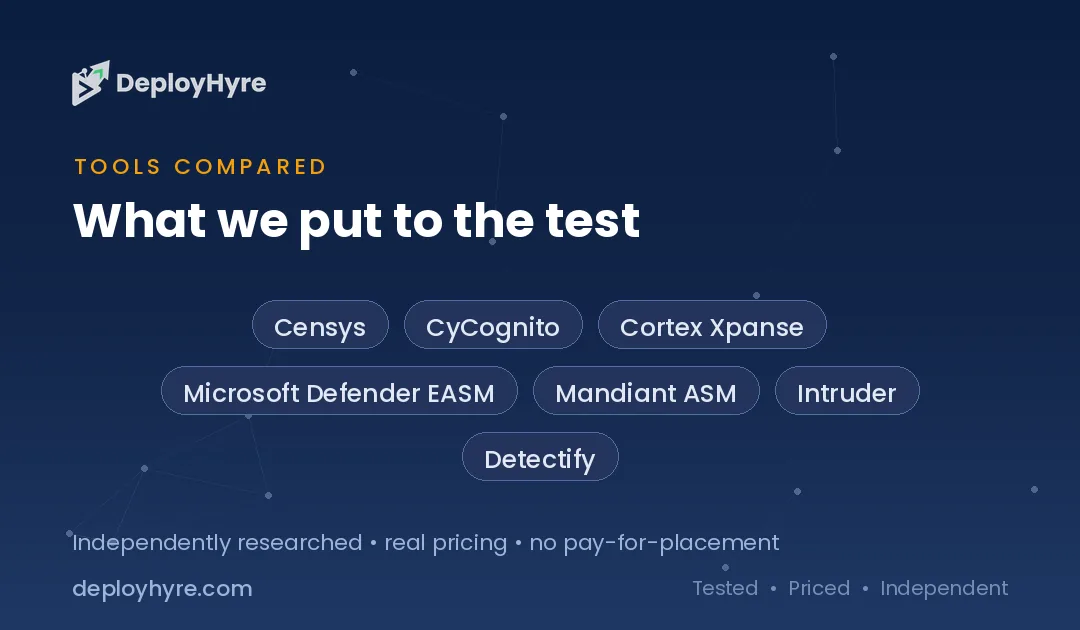
| Tool | Best For | Observed Price | Note |
|---|---|---|---|
| Censys | Internet-scale discovery | From ~$25,000/yr (ASM tier) | Gold standard for asset discovery |
| CyCognito | Shadow IT, lean teams | Tiered by internet-facing assets | Strong on unknown exposure |
| Cortex Xpanse | Active exploit validation | Opaque (quote) | Tests exposed services |
| Microsoft Defender EASM | Microsoft-centric estates | Azure-metered | Native Microsoft integration |
| Mandiant ASM | Threat-intel-led ASM | Enterprise quote | Google/Mandiant intelligence |
| Intruder | Mid-market simplicity | ~$10,000–$50,000/yr | Accessible, scanning-led |
| Detectify | Mid-market web app surface | ~$10,000–$50,000/yr | Crowdsourced research |
What Attack Surface Management Does
Attack surface management is the discipline of finding and monitoring everything your organization exposes to the internet, from the outside in, the way an attacker sees you. It starts from a seed like your company name or a domain and expands outward, discovering subdomains, IP ranges, cloud assets, exposed services, and forgotten infrastructure, then continuously monitors them for vulnerabilities, misconfigurations, and exposure. The category is often called external attack surface management, or EASM.
The reason it exists is that organizations lose track of what they expose. A marketing team launches a microsite, an engineer spins up a test server, an acquisition brings unknown infrastructure, and none of it is in the asset inventory the security team defends. Attackers scan the entire internet looking for exactly these forgotten, unpatched assets. The AI layer prioritizes what it finds, distinguishing a critical exposed admin panel from a harmless static page, so teams fix the exposures that actually matter.
ASM is the discovery front end of a security program, feeding the vulnerability and posture work in our best AI vulnerability management tools guide and complementing the cloud-native view in our best AI cloud security tools guide.
Pricing Scales With Assets, Not Seats
ASM tools bill by the number of internet-facing assets they discover and monitor, so your exposure, not your headcount, sets the cost, and the tool’s core value, finding assets you did not know about, can push you into a higher tier. Censys starts around $25,000 a year for its ASM tier, CyCognito prices in tiers dependent on the quantity of internet-facing assets, and enterprise platforms broadly run $50,000 to $500,000-plus by asset count and feature depth. Mid-market tools like Intruder and Detectify start nearer $10,000 to $50,000.
The practical implication is a chicken-and-egg dynamic: you buy ASM because you do not know your true asset count, but that count is what you are billed on, so the first scan can reveal you owe more than budgeted. Ask vendors how they count assets and whether discovered-but-decommissioned assets keep billing, and treat the first discovery as likely to surface more than you expect, which is the point, but also the budget risk.
Best for Internet-Scale Discovery
Censys is the gold standard for internet-scale asset discovery, anchored by continuous scanning of the entire IPv4 and IPv6 internet across 100-plus ports, so it finds assets that seed-and-expand tools miss. Its ASM tier starts around $25,000 a year, and its differentiator is the depth and freshness of its internet-wide scan data, which means the attribution of assets to your organization is more complete. For teams whose priority is knowing they have found everything, Censys’s scan foundation is the strongest in the category.
Cortex Xpanse from Palo Alto goes a step further on validation, actively attempting benign versions of real exploits against your exposed services to prove whether an exposure is genuinely dangerous rather than just present. Its pricing stays opaque until you engage sales. Mandiant ASM, now under Google, brings threat-intelligence-led attribution and is the pick for teams that want ASM tied to active adversary intelligence. All three are enterprise-grade discovery platforms; the choice depends on whether you weight scan breadth, exploit validation, or threat intelligence.
Best for Shadow IT and Lean Teams
CyCognito is the strongest fit for organizations with significant shadow IT and lean security teams, because it excels at surfacing unknown, unmanaged exposure and prioritizing it without requiring a large team to operate. It prices in tiers based on your internet-facing asset count, and its strength is finding the assets nobody remembered, the acquisition’s leftover infrastructure, the abandoned marketing subdomain, that attackers love. For teams that suspect they have exposure they cannot see and lack the staff to hunt it manually, CyCognito is built for exactly that gap.
Microsoft Defender EASM is the natural choice for Microsoft-centric organizations, delivering external attack surface discovery metered through Azure and integrating with the broader Defender security suite. For teams already in the Microsoft security ecosystem, it adds ASM without a new vendor relationship and correlates with their existing Defender signals. Both suit teams that want automated discovery of unknown exposure with minimal operational overhead, feeding findings into the detection stack in our best AI SIEM tools guide.
Best Mid-Market and Testing-Led Options
Intruder is the accessible mid-market choice, combining attack surface discovery with continuous vulnerability scanning in a simple package starting around $10,000 to $50,000 a year, making real ASM affordable for smaller organizations. It suits teams that want to know their internet-facing exposure and have it scanned for vulnerabilities without an enterprise contract or a dedicated ASM specialist. For a growing company that has outgrown ad-hoc scanning but cannot justify a six-figure platform, Intruder hits the value point.
Detectify is the other strong mid-market option, focused on the web-application attack surface and powered by crowdsourced security research that feeds real-world exploit knowledge into its scanning. It is the pick for organizations whose primary exposure is web applications and who value research-driven detection. Both are the pragmatic answers when enterprise ASM is more than you need but ad-hoc discovery is not enough, pairing well with the testing in our best AI penetration testing tools guide.
How Should You Choose an ASM Tool?
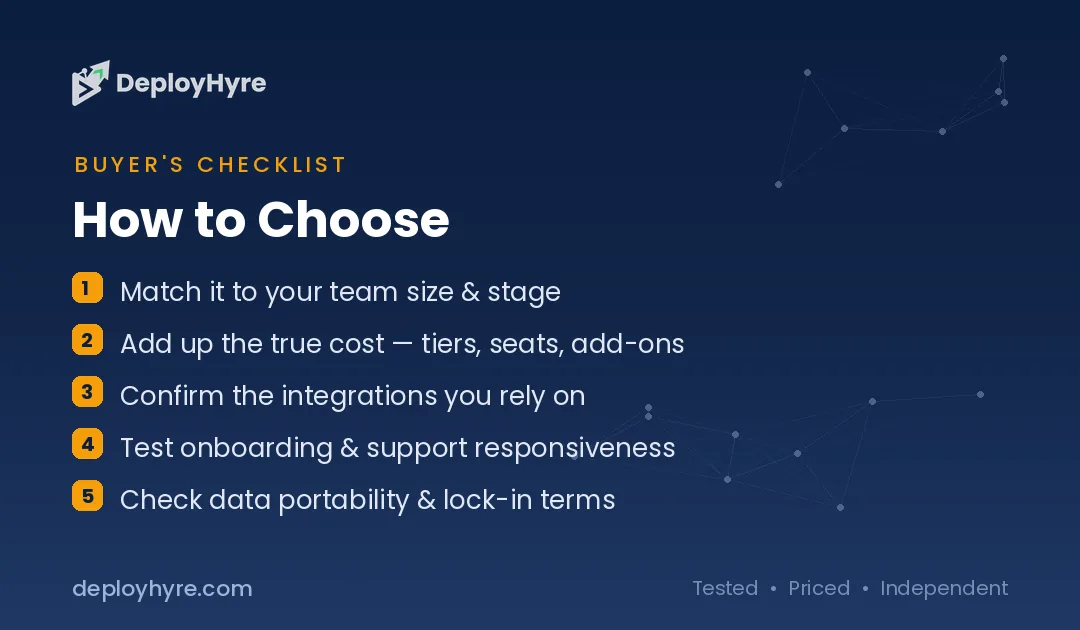
Start with your scale and staffing. Large enterprises with big, sprawling estates and security teams to act on findings point to Censys, Cortex Xpanse, or Mandiant. Lean teams drowning in shadow IT point to CyCognito. Mid-market organizations point to Intruder or Detectify. Microsoft shops get native integration from Defender EASM.
Then weigh what you most need: raw discovery breadth (Censys), exploit validation (Cortex Xpanse), threat intelligence (Mandiant), or affordable scanning-plus-discovery (Intruder). ASM tools differ meaningfully in whether they simply find assets or also prove which exposures are exploitable, so match that to whether your team can triage findings itself.
Finally, clarify the asset-counting model before you sign, because it drives the bill and the first scan often reveals more assets than you expected. Ask how decommissioned assets are handled and budget for the discovery to surface real, previously-unknown exposure, which is the entire reason to buy the tool.
How We Evaluated These Platforms
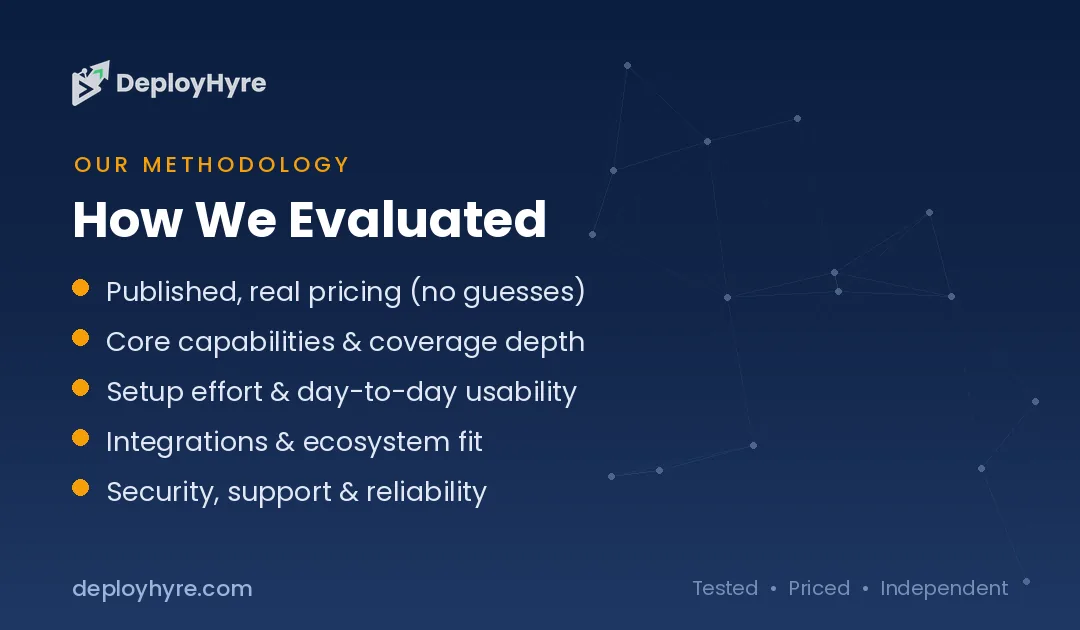
We evaluated each tool on discovery breadth and accuracy, exposure prioritization, exploit validation, integration with security stacks, and pricing model. Figures come from vendor and comparison sources. Because ASM bills by asset count and several vendors are quote-based, we present observed bands and note where pricing is opaque. We accepted no payment for placement; rankings reflect fit for a stated use case.
The Bottom Line
Censys leads on internet-scale discovery, Cortex Xpanse on exploit validation, and Mandiant on threat intelligence, while CyCognito is the pick for shadow-IT-heavy lean teams and Defender EASM for Microsoft estates. Intruder and Detectify make ASM affordable for the mid-market. Because pricing scales with your discovered assets, clarify the counting model up front and expect the first scan to find exposure you did not know you had, which is exactly why you need it.
Frequently Asked Questions
How much do attack surface management tools cost?
Enterprise ASM platforms run $50,000 to $500,000-plus a year depending on asset count and features, with Censys starting around $25,000 for its ASM tier. Mid-market tools like Intruder and Detectify start nearer $10,000 to $50,000. Pricing scales with the number of internet-facing assets discovered, not your team size.
What is the difference between ASM and vulnerability management?
ASM discovers what internet-facing assets you have, including unknown and forgotten ones, from an attacker’s outside-in view. Vulnerability management scans known assets for flaws. ASM answers “what do we expose?” while vulnerability management answers “what’s wrong with what we know about.” They are complementary, and ASM often feeds newly discovered assets into vulnerability management.
Why do I need ASM if I already have an asset inventory?
Because your inventory is almost certainly incomplete. Shadow IT, cloud sprawl, and acquisitions constantly add internet-facing assets no one tracks, marketing microsites, test servers, forgotten subdomains, and attackers scan the whole internet to find them. ASM finds these unknown assets specifically because they are the ones missing from your inventory.
What is external attack surface management (EASM)?
EASM is attack surface management focused on internet-facing, external assets, the view an outside attacker has of your organization. It discovers domains, IPs, cloud assets, and exposed services from a seed like your company name, then monitors them for exposure. Most ASM tools are EASM tools.
Which ASM tool is best for a small security team?
CyCognito suits lean teams with heavy shadow IT because it surfaces and prioritizes unknown exposure with minimal operational effort. For smaller organizations wanting affordable discovery plus scanning, Intruder is a strong, accessible choice starting around $10,000 a year, and Microsoft shops get low-overhead ASM from Defender EASM.

David Austin is a technology writer and software analyst at DeployHyre, where he covers AI tools, SaaS platforms, cloud hosting, and business automation. He focuses on hands-on comparisons of pricing, features, and real-world performance so teams can pick the right software with confidence.