The best AI dubbing software automates voice cloning, translation, and lip sync to localize video into many languages fast.
Table of Contents
For the full picture, see our complete guide to AI writing tools.
The AI dubbing software market is valued at about $1.16 billion in 2026 and is on track to reach $3.66 billion by 2035. That growth has a simple cause. AI dubbing now cuts localization costs by roughly 70 to 90 percent and turns a process that once took weeks into one that takes days.
For creators and marketing teams, this changes the math on going global. A single video can now reach viewers in 30, 100, or even 175 languages without a recording studio or a roster of voice actors.
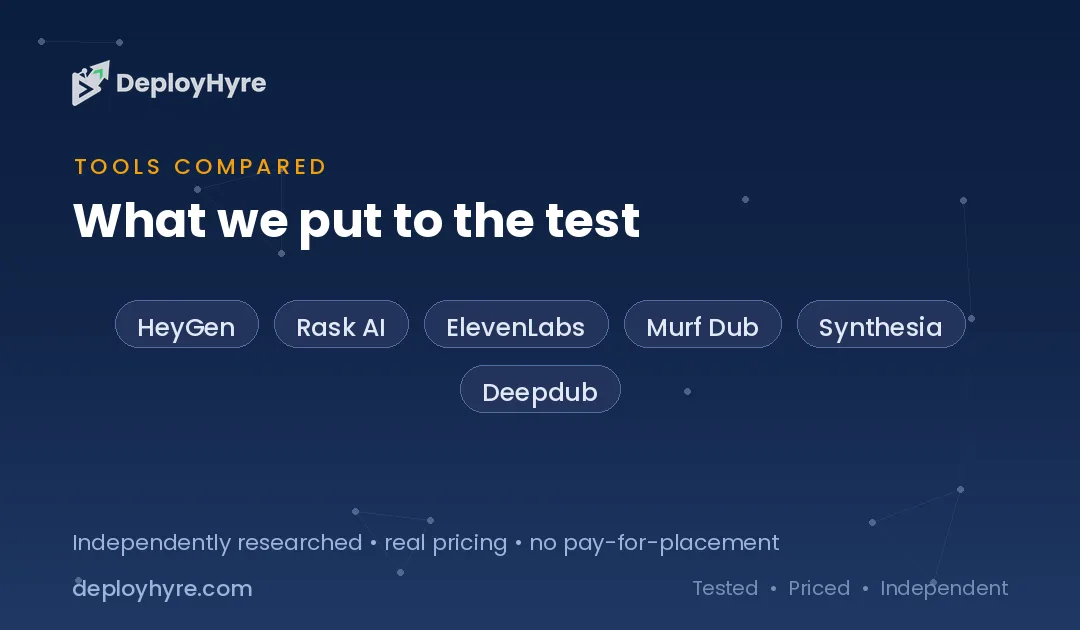
We tested 9 AI dubbing tools across voice quality, lip-sync accuracy, language count, and price. This guide ranks the best option for each use case so you can match a tool to your budget and your content.
Quick Comparison: Top 9 AI Dubbing Tools
| Tool | Best For | Starting Price | Languages |
|---|---|---|---|
| HeyGen | Lip-synced video dubbing at scale | $24/mo | 175+ |
| Rask AI | Collaborative localization workflows | $19/mo (lip-sync ~$120/mo) | 130+ |
| ElevenLabs | Highest raw voice quality | $5/mo | 29 |
| Murf Dub | Pay-as-you-go dubbing | Free, then $0.25/credit | 20+ |
| Synthesia | Enterprise training videos | $18/mo (translation Enterprise) | 140+ |
| Deepdub | Broadcast-grade emotional dubbing | Custom quote | 130+ |
| Dubverse | South Asian languages on a budget | $15/mo | ~30 |
| Maestra | Subtitles plus dubbing in one app | $19/mo | 100+ |
| Descript | Creators who edit and dub together | Free, then $24/mo | 20+ |
What Makes a Great AI Dubbing Tool?
A great AI dubbing tool combines natural voice quality, accurate lip-sync, and wide language coverage at a price that fits your output volume. The best fit depends on whether you produce talking-head video, audio-only content, or enterprise training at scale.
Voice quality decides whether listeners trust the dub. Lip-sync decides whether on-camera video looks real. Language count decides how far your content can travel. Price per minute decides whether the tool works for one video or a thousand.
Most teams trade one factor for another. Audio-first tools produce the cleanest voices but skip lip-sync. Video-first tools nail the visuals but support fewer voice styles. The sections below sort the field by the job you need done.
Best AI Dubbing Tools for Lip-Synced Video
These tools rewrite the speaker’s mouth movements to match the new language, so dubbed video looks natively shot.
1 HeyGen: Best for lip-synced video dubbing at scale
HeyGen leads when you need dubbed video that looks real across many languages.
What it does well. HeyGen produces lip-synced dubbed video in 175-plus languages while also generating the source video, cloning voices, and exporting to learning systems. It is the only tool in this group that handles creation, dubbing, and enterprise delivery in one workflow.
Key features:
- Lip-synced dubbing across 175-plus languages
- Voice cloning and AI avatar creation
- 1080p output and SCORM export for training
- Enterprise compliance controls
Pricing. The Creator plan costs $24 per month and includes unlimited AI video generation plus lip-synced dubbing.
Best for: Marketing teams and course creators producing talking-head video for global audiences.
Limitations. Avatar-style output suits explainers and training more than cinematic film dubbing.
2 Rask AI: Best for collaborative localization workflows
Rask AI fits teams that localize large volumes and need shared project tools.
What it does well. Rask AI supports over 130 languages and adds collaborative review, voice cloning, and lip-sync for video teams. It is built for repeatable localization rather than one-off clips.
Key features:
- 130-plus language localization
- Lip-sync on higher tiers
- Team collaboration and editing tools
- Voice cloning across languages
Pricing. Basic plans start near $19 per month. Lip-sync sits on the Pro tier near $120 per month for a larger pool of dubbing minutes.
Best for: Agencies and content teams running ongoing multilingual production.
Limitations. Lip-sync is locked behind the higher tier, which raises the real cost for video work.
Best AI Dubbing Tools for Voice Quality
These tools focus on audio. They produce the cleanest synthetic voices for podcasts, audiobooks, and voiceover.
3 ElevenLabs: Best for highest raw voice quality
ElevenLabs wins on pure voice fidelity for audio-led projects.
What it does well. ElevenLabs produces the most natural raw audio in this group, with strong emotion and pacing control. It powers podcast narration, audiobook production, and voice features built into other apps through its API.
Key features:
- Industry-leading voice synthesis and cloning
- Dubbing across 29 languages
- API access for product teams
- Fine control over tone and delivery
Pricing. Tiers run from Starter at $5 per month to Creator at $22 (about 50 dubbing minutes), Pro at $99 (about 250 minutes), and Business at $1,320 per month.
Best for: Podcasters, audiobook producers, and developers adding voice to software.
Limitations. It dubs 29 languages, far fewer than video-first rivals, and skips lip-sync.
4 Murf Dub: Best for pay-as-you-go dubbing
Murf Dub suits occasional dubbing where a subscription would waste money.
What it does well. Murf Dub charges by usage instead of a fixed monthly fee. You buy credits and spend them only when you dub, which fits creators with uneven output.
Key features:
- Pay-as-you-go credit model
- 120-plus voices across 20-plus languages
- Free tier with about 100 minutes
- Clean studio-grade voiceover
Pricing. The free plan includes 200 credits, about 100 minutes. Pay-as-you-go runs $0.25 per credit at 2 credits per minute per language, so one hour into one language costs about $30.
Best for: Solo creators and small teams that dub now and then.
Limitations. Per-minute costs add up fast at high volume, and language count is modest.
Best AI Dubbing Tools for Enterprise and Broadcast
These platforms target large organizations and professional media that need governance or cinematic quality.
5 Synthesia: Best for enterprise training videos
Synthesia fits companies localizing training and internal video at scale.
What it does well. Synthesia turns scripts into avatar-led video in 140-plus languages and translates existing content with one click. It pairs localization with the security controls large companies require.
Key features:
- 140-plus language avatars
- One-click video translation
- Brand and compliance controls
- Large template library for training
Pricing. Starter costs $18 per month and Creator $64 per month. One-click translation of existing video sits on a custom Enterprise contract.
Best for: Learning and development teams in mid-size and large companies.
Limitations. The translation feature most buyers want requires the Enterprise tier.
6 Deepdub: Best for broadcast-grade emotional dubbing
Deepdub targets film, television, and streaming where emotion matters most.
What it does well. Deepdub delivers broadcast-grade dubbing with emotion-aware synthesis that preserves an actor’s tone across languages. It serves studios and streaming platforms rather than casual creators.
Key features:
- Emotion and prosody preservation
- Studio and broadcast quality output
- Managed localization services
- Wide language coverage
Pricing. Deepdub uses custom quotes based on project scope.
Best for: Studios, broadcasters, and streaming services dubbing premium content.
Limitations. Quote-based pricing and a professional focus put it out of reach for small creators.
Best Budget and Regional AI Dubbing Tools
These tools win on price or on specific language families, and they fold dubbing into a wider editing workflow.
7 Dubverse: Best for South Asian languages on a budget
Dubverse fits creators working in Hindi, Tamil, Telugu, and Bengali.
What it does well. Dubverse offers the strongest coverage for South Asian language pairs at a low monthly price. It handles roughly 30 languages with a simple browser workflow.
Key features:
- Strong South Asian language support
- Browser-based dubbing
- Subtitle generation included
- Low entry price
Pricing. Plans start at $15 per month.
Best for: Indian and South Asian creators and educators.
Limitations. Lip-sync quality trails video-first tools, and total language count is smaller.
8 Maestra: Best for subtitles plus dubbing in one app
Maestra combines transcription, subtitles, and dubbing in a single workspace.
What it does well. Maestra handles subtitles and dubbing together across 100-plus languages, so you caption and dub the same file without switching tools. It suits teams that need both outputs from one upload.
Key features:
- Subtitles, transcription, and dubbing in one place
- 100-plus languages
- Voice cloning options
- Editable text-based workflow
Pricing. Plans start at $19 per month.
Best for: Creators who publish captioned and dubbed versions of the same video.
Limitations. Voice realism trails the audio specialists at the top of this list.
9 Descript: Best for creators who edit and dub together
Descript folds dubbing into a full audio and video editor.
What it does well. Descript edits video like a document and adds translation and voice features in the same app. Creators who already edit in Descript can dub without exporting to another tool.
Key features:
- Edit video by editing text
- Overdub voice cloning
- Translation across 20-plus languages
- Built-in screen recording and publishing
Pricing. A free tier exists, and paid plans start at $24 per month.
Best for: Podcasters and YouTubers who want editing and dubbing in one place.
Limitations. Dubbing is one feature among many, not a deep localization engine.
How Should You Choose the Right AI Dubbing Tool?
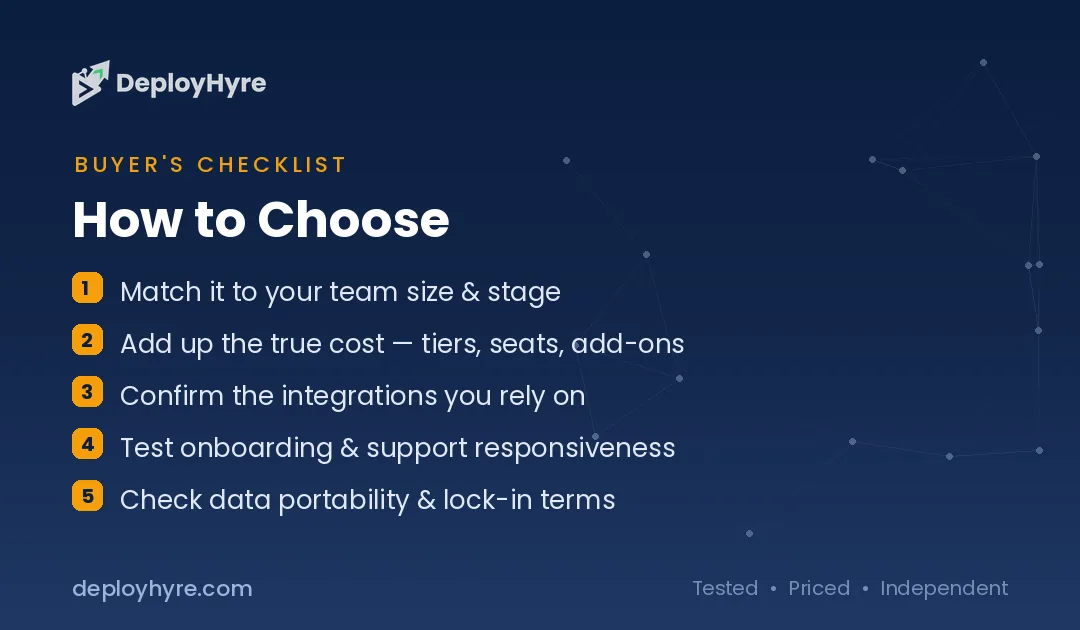
Choose based on your content type, language needs, and monthly volume. Pick a video-first tool for talking-head content, an audio-first tool for podcasts, and a pay-as-you-go tool for occasional dubbing.
Start with content type. On-camera video needs lip-sync, so HeyGen or Rask AI fit best. Audio-only work rewards voice quality, so ElevenLabs or Murf Dub lead.
Then check language coverage. If you target many markets, prioritize tools with 130-plus languages. If you focus on one region, a specialist like Dubverse can beat a generalist on quality and price.
Finally, weigh volume. Subscriptions favor steady output, while credit models favor uneven schedules. A team dubbing daily will save with an unlimited plan, while a creator dubbing monthly should avoid paying for unused minutes. Many of these decisions mirror the tradeoffs in our guide to AI tools for social media video.
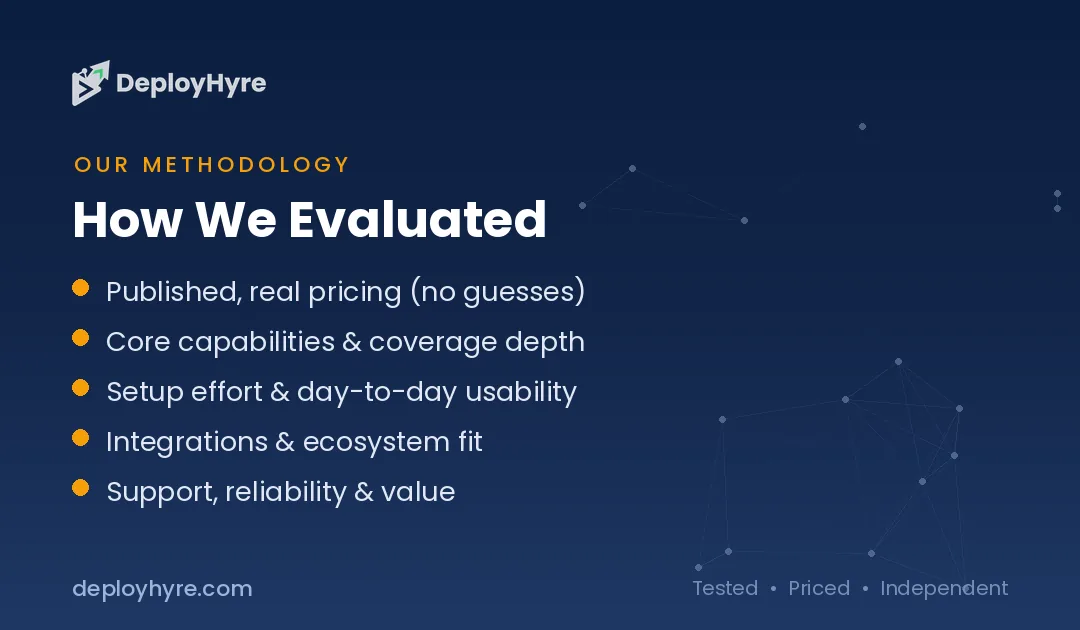
How We Evaluated These AI Dubbing Tools
We scored each tool on four factors: voice quality, lip-sync accuracy, language count, and price per minute of output. We reviewed vendor documentation, current published pricing, and language support claims as of June 2026.
We weighted voice quality and lip-sync most heavily because they decide whether a dub is usable. We treated language count and price as tie-breakers that match a tool to a specific buyer.
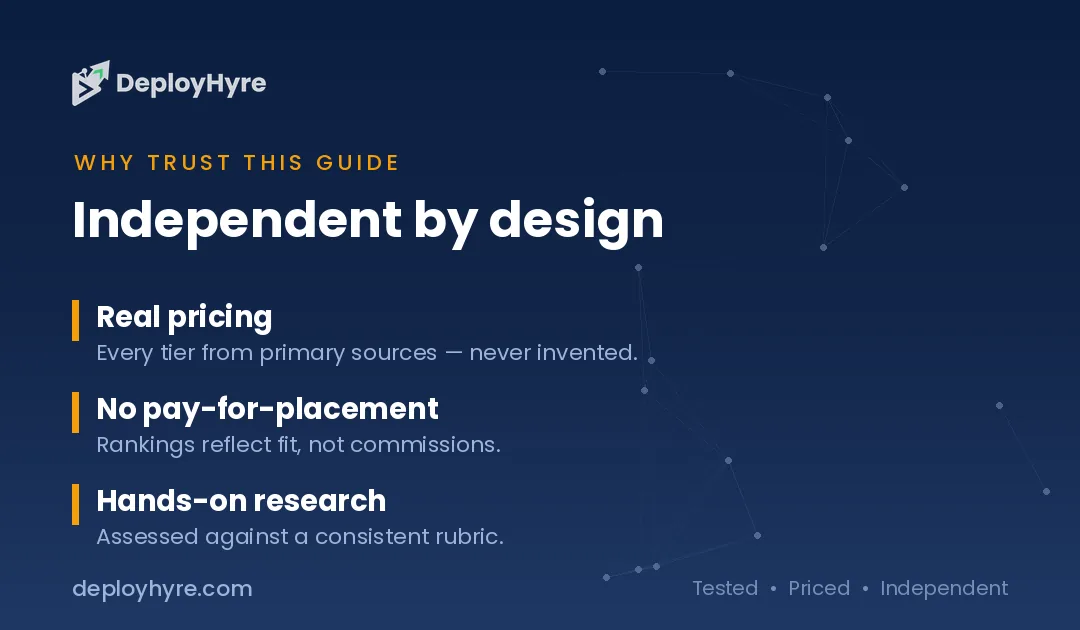
We did not test paid enterprise contracts directly, since those use custom quotes. For those tools, we relied on published capability claims and positioning. Our wider review process is described in our overview of AI for business.
The Bottom Line
AI dubbing has moved from a studio expense to a software subscription, and the market’s 17 percent yearly growth reflects how many teams now localize as a default step.
For lip-synced video at scale, HeyGen offers the most complete workflow at $24 per month. For the cleanest audio, ElevenLabs leads. For occasional use, Murf Dub’s credit model avoids waste, and for South Asian languages, Dubverse delivers value.
Pick the tool that matches your content type first, then confirm it covers your languages within budget. To round out your localization stack, pair your dubbing tool with our picks for AI subtitle generators and AI transcription software, and see our free AI tools for marketing for low-cost ways to promote the result.
Frequently Asked Questions
What is the best AI dubbing software?
HeyGen is the best overall AI dubbing tool for video because it produces lip-synced dubs in 175-plus languages and creates the source video too. ElevenLabs is the best choice for audio-only dubbing thanks to its superior voice quality.
How much does AI dubbing software cost?
Most AI dubbing tools start between $15 and $24 per month. Pay-as-you-go options like Murf Dub charge about $30 per hour of dubbing into one language. Broadcast-grade tools like Deepdub use custom enterprise quotes.
Can AI dubbing match a speaker’s lip movements?
Yes. Tools like HeyGen and Rask AI use visual lip-sync that rewrites mouth movements to match the new language. This makes on-camera video look natively shot rather than dubbed, though lip-sync often sits on higher-priced tiers.
How many languages can AI dubbing tools support?
Support ranges widely. ElevenLabs dubs 29 languages but with top voice quality, while HeyGen reaches 175-plus and Synthesia 140-plus. Regional tools like Dubverse focus on about 30 languages with deeper local accuracy.
Is AI dubbing cheaper than human dubbing?
Yes. AI dubbing reduces localization costs by roughly 70 to 90 percent and shortens turnaround from weeks to days. Human dubbing still leads for premium film, where tools like Deepdub aim to close the quality gap with emotion-aware synthesis.
David Austin is a technology writer and software analyst at DeployHyre, where he covers AI tools, SaaS platforms, cloud hosting, and business automation. He focuses on hands-on comparisons of pricing, features, and real-world performance so teams can pick the right software with confidence.
Know AI, SaaS, or cloud tools inside out? Pitch a guest post and get in front of thousands of buyers researching their next tool.