TL;DR: Semrush wins for power users who want an all-in-one suite, the biggest keyword and backlink data, and deep competitor tools, starting near $140/month. Moz wins for beginners and budget SEOs who value a clean interface, the trusted Domain Authority metric, and simpler pricing from $49/month. Pick Semrush for scale, Moz for simplicity.
Semrush leads the SEO tool market with more than 142,000 paying customers as of early 2026, a scale that shapes how most teams pick their SEO software. Moz built its name on the Domain Authority metric that agencies and journalists still cite every day. Both promise better rankings. Only one fits your budget and skill level.
This guide compares Semrush vs Moz across pricing, data size, features, and ease of use. We pulled real 2026 pricing and database figures so you choose with facts, not marketing claims. If you want the wider landscape first, read our AI for SEO guide.
Semrush and Moz solve the same job in different ways. Semrush aims to be the single platform for SEO, PPC, content, and social. Moz stays focused on core SEO and the metrics that made it famous. The right choice comes down to whether you want breadth or focus.
Quick Comparison: Semrush vs Moz
| Feature | Semrush | Moz |
|---|---|---|
| Starting price | $139.95/mo (Pro); ~$117/mo billed annually | $49/mo (Starter); ~$39/mo billed annually |
| Keyword database | 25B+ keywords | ~1.25B keywords |
| Backlink index | 43T+ backlinks | 45.5T links |
| Rank tracking | 500 keywords (Pro) | 50 keywords (Starter) |
| Site audit | Up to 100,000 pages/mo (Pro) | 400,000 pages/week (Standard) |
| Key metric | Authority Score (0-100) | Domain Authority (1-100) |
| Best for | All-in-one power users, agencies | Beginners, budget SEOs, PR outreach |
Sources: Semrush pricing, Moz Pro pricing.
How Much Do Semrush and Moz Cost?
Moz is the cheaper entry point, starting at $49/month versus Semrush at $139.95/month. Moz Starter runs $49/month, or about $39 billed annually. Semrush Pro costs $139.95/month, or roughly $117 billed annually. The price gap is real, but so is the feature gap.
Semrush offers three main plans. Pro is $139.95/month, Guru is $249.95/month, and Business is $499.95/month, with annual billing cutting each bill by around 16%. Pro tracks 500 keywords across 5 projects. Business jumps to 5,000 keywords and 40 projects.
Moz spreads cost across four tiers. Starter is $49/month, Standard is $99/month, Medium is $179/month, and Large is $299/month, with annual billing saving about 20%. Standard tracks 300 keywords across 3 sites. Large tracks 3,000 keywords across 25 sites.
The takeaway is simple. Moz costs less at every tier. Semrush charges more but bundles far more tools into each plan. A solo blogger saves real money with Moz Starter at $49/month. An agency running client campaigns often finds Semrush Guru or Business cheaper than buying separate keyword, backlink, and PPC tools. Both offer free trials, so the cost math depends on how many features you actually use.
Which Has Better Keyword Research?
Semrush wins keyword research with a 25 billion keyword database, roughly 20 times larger than Moz. More keywords means more long-tail ideas, more accurate volume data, and fewer gaps for niche or international queries.
Semrush runs keyword research through its Keyword Magic Tool, backed by a 25 billion-plus keyword database. You get intent tagging, question filters, keyword clustering, and competitor gap analysis in one workflow.
Moz uses a keyword database near 1.25 billion terms, far smaller than Semrush. Moz still delivers the core essentials: search volume, difficulty scores, organic CTR, and priority ranking. For a solo blogger targeting a handful of topics, that scope is enough. For an agency mapping thousands of queries, Semrush pulls ahead fast.
The gap shows up in the long tail. Semrush surfaces obscure, low-volume phrases that Moz often misses, which helps with niche content and voice search. Moz keeps things focused on the terms most searchers actually use. If you write broad content for a single site, either tool works. If you chase thousands of specific keywords across markets, Semrush gives you more to work with.
Which Has Better Backlink Analysis?
Both index tens of trillions of links, but Semrush edges ahead on freshness and competitor depth. Backlink data drives link building, so index size and update speed both matter.
Semrush holds a backlink index of more than 43 trillion backlinks and 390 million referring domains, refreshed at least hourly. You get backlink gap analysis, link building outreach tools, and toxic link auditing in one suite.
Moz reports a backlink database of 45.5 trillion links, a raw number that rivals Semrush. Moz Link Explorer surfaces linking domains, anchor text, and spam scores in a clean layout. The difference shows in workflow depth. Semrush ties backlinks into outreach and competitor tracking, while Moz keeps link analysis simpler and more standalone. For a deeper backlink face-off, see Semrush vs Ahrefs.
Which Has Better Rank Tracking?
Semrush tracks far more keywords per plan, starting at 500 versus Moz’s 50 on entry tiers. Rank tracking limits decide how many terms you can monitor daily.
Semrush Pro tracks 500 keywords, Guru tracks 1,500, and Business tracks 5,000. You get daily position updates, local and mobile tracking, and Share of Voice on higher plans. Multi-location tracking arrives on Guru.
Moz Starter tracks 50 keywords, Standard tracks 300, Medium tracks 1,500, and Large tracks 3,000. Moz updates rankings weekly on lower tiers, which suits slower-moving projects. Teams that need daily granularity or thousands of tracked terms get more headroom from Semrush.
Which Has a Better Site Audit?
Semrush delivers a deeper technical crawl, while Moz crawls more raw pages on mid tiers. Site audits catch errors that block rankings, so crawl depth and issue detail both count.
Semrush Site Audit checks over 140 technical issues, from crawlability to Core Web Vitals, and audits up to 100,000 pages per month on Pro. It ranks issues by severity and links each fix to a how-to guide.
Moz Site Crawl audits up to 400,000 pages per week on Standard, a high raw volume. Moz flags critical issues, warnings, and notices with clear priority labels. Semrush wins on depth and technical detail. Moz wins on crawl volume and readability for newer users.
Authority Score vs Domain Authority: Which Metric Matters?
Domain Authority is the more widely recognized metric, but neither score is a Google ranking factor. Both predict ranking potential on a 0-100 scale using backlink profiles.
Moz created Domain Authority, a 1-100 score that predicts how likely a domain ranks in Google. Agencies, PR platforms like Cision, and journalist outreach tools cite DA across the industry. That reach makes DA a common language for client reports and pitches.
Semrush answers with Authority Score, a 0-100 score built from backlink quality, estimated organic traffic, and spam signals. A score above 70 signals high authority. Authority Score factors in traffic, which DA does not, making it a broader health signal. DA still wins on name recognition outside SEO circles.
Which Is Easier to Use?
Moz is the easier tool for beginners, with a cleaner interface and less feature overload. Ease of use shapes how fast a new user gets results.
Moz keeps its dashboard focused and uncluttered. Fewer tools means a shorter learning curve, clear labels, and less time hunting for features. New SEOs and small business owners get productive quickly.
Semrush packs more than 55 tools into one platform, from PPC to content marketing to PR. That power comes with complexity. The interface takes longer to learn, and the sheer menu depth can overwhelm beginners. Semrush suits users who want everything in one place and accept a steeper start.
Which Has Better AI and GEO Features?
Semrush leads on AI and generative search tools, with dedicated tracking for AI answer engines. As search shifts toward AI answers, GEO features decide future visibility.
Semrush added AI-focused tools and bundles, including tracking for how brands appear in AI-generated answers, alongside content optimization powered by AI. Its newer AI SEO bundles target teams tracking visibility across ChatGPT, Google AI Overviews, and similar engines.
Moz includes AI-powered features across all plans, including AI keyword suggestions and Brand Authority scoring. Moz keeps its AI additions lighter and simpler. For teams betting on generative engine optimization, Semrush offers more depth today. Moz suits users who want AI help without a complex new toolset. For a full roundup, see our best AI SEO tools guide.
Generative engine optimization, or GEO, is the newest front in search. As more users ask ChatGPT and Google AI Overviews instead of typing queries, tracking how your brand appears in those answers matters more each month. Semrush moved faster here, which makes it the safer pick for future-focused teams.
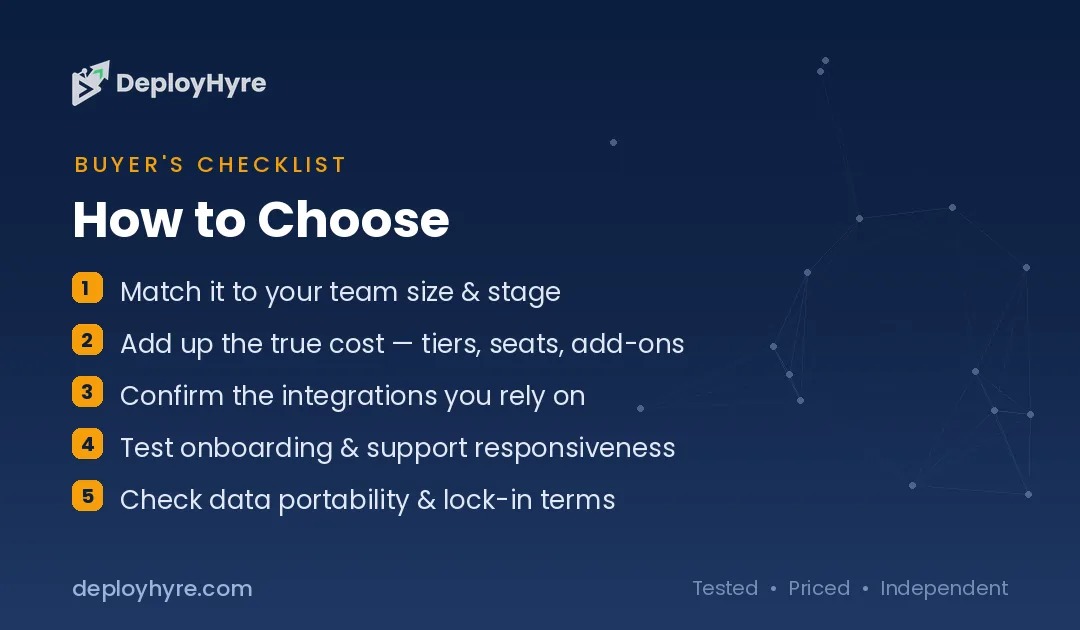
Semrush vs Moz: Which Should You Choose?
Your best pick depends on budget, skill level, and how many tools you need.
Choose Semrush if you are an agency or power user. You get the biggest data, 55-plus tools, daily rank tracking, and deep competitor analysis. The higher price pays off when SEO is core to your work.
Choose Moz if you are a beginner or on a budget. You get a clean interface, the trusted Domain Authority metric, and simpler pricing from $49/month. Moz covers the SEO essentials without overwhelm.
Choose Semrush if you run PPC or content marketing too. Its all-in-one suite replaces several separate tools, which lowers your total cost across marketing.
Choose Moz if you do PR or outreach. Domain Authority is the metric journalists and PR platforms already recognize, which makes pitches and reports easier.
The Bottom Line
Semrush is the stronger all-in-one SEO suite, with bigger data, more tools, and deeper features, at a higher price. Moz is the friendlier, cheaper choice for beginners who want core SEO and the widely trusted Domain Authority metric. Match the tool to your budget and skill level, not to hype.
Both offer free trials, so test each on your own site before you commit. Then explore more tools in our best AI SEO tools guide.
Frequently Asked Questions
Is Semrush better than Moz?
Semrush is better for power users and agencies that need the largest keyword and backlink data, daily rank tracking, and 55-plus tools in one suite. Moz is better for beginners and budget-focused users who want a clean interface and the trusted Domain Authority metric at a lower price.
Is Semrush or Moz cheaper?
Moz is cheaper. Moz Starter costs $49/month, or about $39 billed annually. Semrush Pro costs $139.95/month, or roughly $117 billed annually. Moz stays cheaper at every tier, but Semrush bundles far more tools into each plan.
What is the difference between Authority Score and Domain Authority?
Both scores predict ranking potential on a 0-100 scale using backlink data. Moz Domain Authority is more widely recognized across agencies and PR tools. Semrush Authority Score adds estimated organic traffic and spam signals, making it a broader site health metric. Neither is a direct Google ranking factor.
Does Moz or Semrush have more keyword data?
Semrush has far more keyword data. Semrush runs a 25 billion-plus keyword database, roughly 20 times larger than Moz’s database of about 1.25 billion keywords. Semrush suits large-scale and international keyword research. Moz covers core keyword essentials for smaller projects.
Is Moz good for beginners?
Yes. Moz is one of the most beginner-friendly SEO tools. Its clean dashboard, clear labels, and smaller tool set create a short learning curve. New SEOs and small business owners get productive quickly without the feature overload of larger suites like Semrush.
Know AI, SaaS, or cloud tools inside out? Pitch a guest post and get in front of thousands of buyers researching their next tool.

David Austin is a technology writer and software analyst at DeployHyre, where he covers AI tools, SaaS platforms, cloud hosting, and business automation. He focuses on hands-on comparisons of pricing, features, and real-world performance so teams can pick the right software with confidence.